PCOS Is Now PMOS: What the New Name Means for Indian Women
PCOS was renamed Polyendocrine Metabolic Ovarian Syndrome in May 2026. What changes, what does not, why the metabolic part matters for Indian women, and a real coaching call.
On 12 May 2026, polycystic ovary syndrome got a new name: Polyendocrine Metabolic Ovarian Syndrome, or PMOS. Nothing about your diagnosis or your medicines changes overnight. What changes is the message: this is a whole-body hormonal and metabolic condition, not a problem of cysts. For Indian women, the metabolic part is the one worth acting on first.
The new name at a glance
12 May 2026
PCOS renamed PMOS, published in The Lancet
1 in 8
women affected worldwide, more than 170 million
56
patient and professional organisations behind the new name
2028
the international guideline fully adopts the new name
Source: Endocrine Society press release, 12 May 2026
What changed, and what did not
The old name pointed at the ovaries and at cysts. The Endocrine Society announcement says researchers found no increase in abnormal ovarian cysts in the condition, and that the old name led to missed diagnoses and poor care. The new name leads with hormones and puts the word metabolic in the middle. There is a three-year transition, so you will see both names on reports and websites for a while.
| Old name: PCOS | New name: PMOS | |
|---|---|---|
| What the name points at | Cysts on the ovaries | Hormones, metabolism and the ovaries |
| Weight, blood sugar, mood, skin | Not in the name | Named as part of the condition |
| Your diagnosis | Unchanged | Unchanged |
| Your medicines | Your doctor decides | Your doctor decides |
Source: Endocrine Society press release, 12 May 2026
Turn the numbers into meals
Knowing the calories is the easy part. Eating to them through a normal Indian week is where most people slip.
A YourTrainer coach plans your week around the dal, roti, rice and sabzi you already eat, reviews your plate photos and adjusts every week. It runs fully online, so it works the same in Bengaluru or Boston.
Start Your Journey →Coached online, wherever you live:Online personal trainer in India·Coaching for Indians in the USA·Online coaching for NRIs
Why the metabolic part matters for Indian women
In a sample of our coaching questionnaires, women living outside India ticked PCOS about as often as women in India. Insulin resistance or pre-diabetes was a different story.
| Ticked on the form | Women outside India | Women in India |
|---|---|---|
| PCOS / PCOD | 30% | 32% |
| Insulin resistance or pre-diabetes | 29% | 19% |
Source: A sample of YourTrainer coaching questionnaires completed between 22 Jun and 17 Sep 2026, counted once per person, aggregated. Self-reported, not diagnoses
Among women in the US in the sample, 32% ticked insulin resistance or pre-diabetes. That fits the wider research. In the MASALA study of South Asians in the US, the metabolic problems a white American usually shows at a BMI of 25 appeared in South Asians at a BMI of about 19.6. A slim Indian woman can still be insulin resistant.
If you already have a fasting glucose and fasting insulin result, our HOMA-IR calculator turns them into an insulin resistance score to discuss with your doctor. The full questionnaire study is what people abroad want from a fitness coach.
A real call: fit, and still no periods
This September one of our nutritionists spoke to a new member who has had PCOS since puberty. What she said is the best argument for the new name we have heard.
- Fitness alone did not fix her cycle. She had trained hard for a year and a half and was, in her words, extremely fit. Her periods still did not come.
- Her kitchen was not hers to change. She lives with her family and her grandfather, a cook makes the meals, and breakfast and lunch are South Indian every day.
- Strict diets had backfired. Every time she restricted hard, she eventually let go completely.
So the nutritionist did not hand her a new diet. She kept the family food and measured the portions instead. Her rice was already under the 100 g the plan allowed. The changes were small: more paneer and tofu, and a dinner chaat of boiled rajma, chole or moong that the cook could make in a few minutes. The plan raises protein, trims calories a little and keeps her training going. That is the metabolic side of PMOS, handled in a real Indian home.
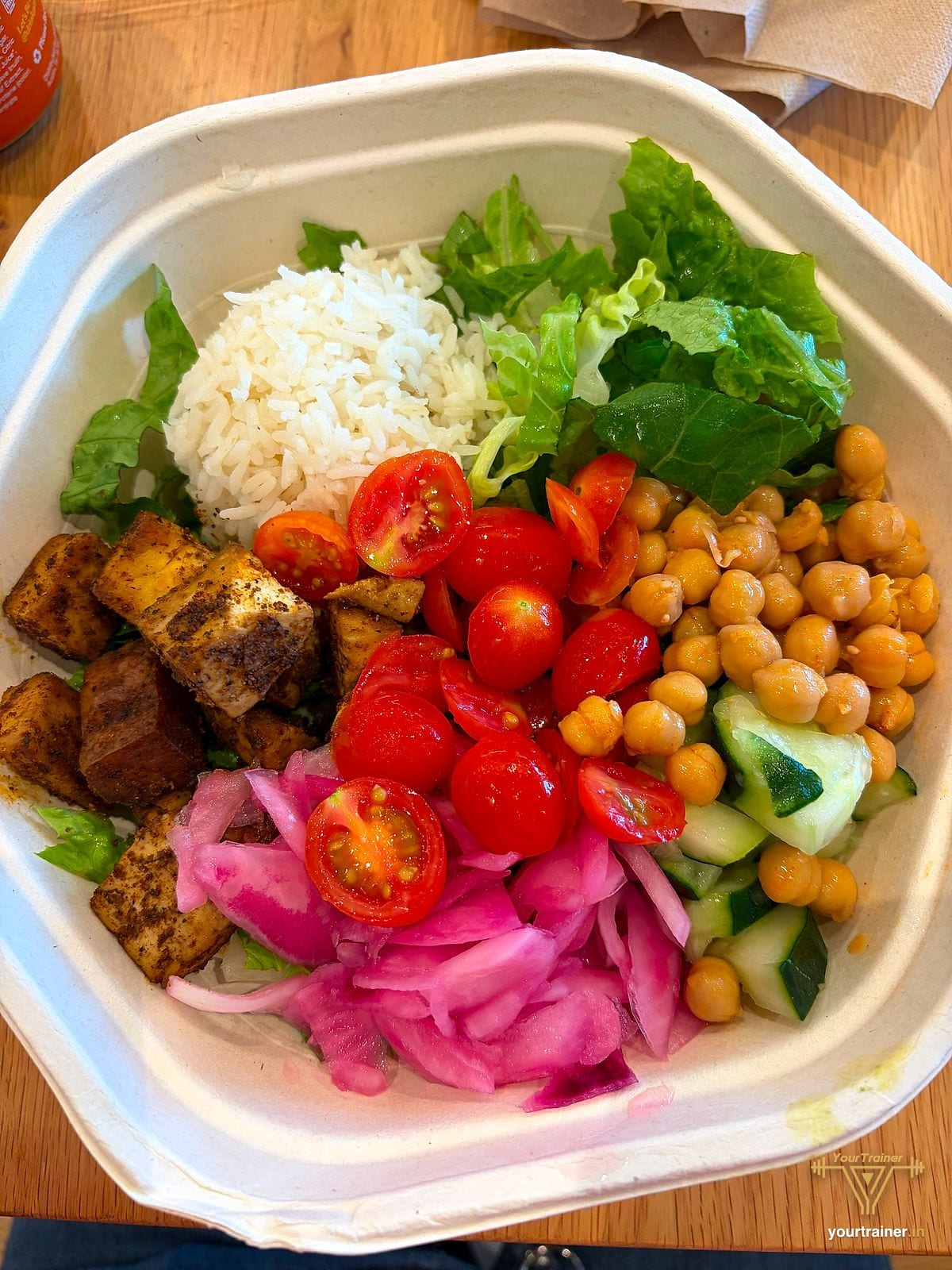
One call is not a study, and her results belong to her and her doctor. But the pattern is common: the problem is rarely effort. It is where the protein, the portions and the blood sugar sit in an ordinary week.
Five things to do this week
1. Ask for the blood sugar tests
Fasting glucose and HbA1c, and ask your doctor about fasting insulin. Mention your South Asian background, even if your weight looks normal.
2. Lift twice a week
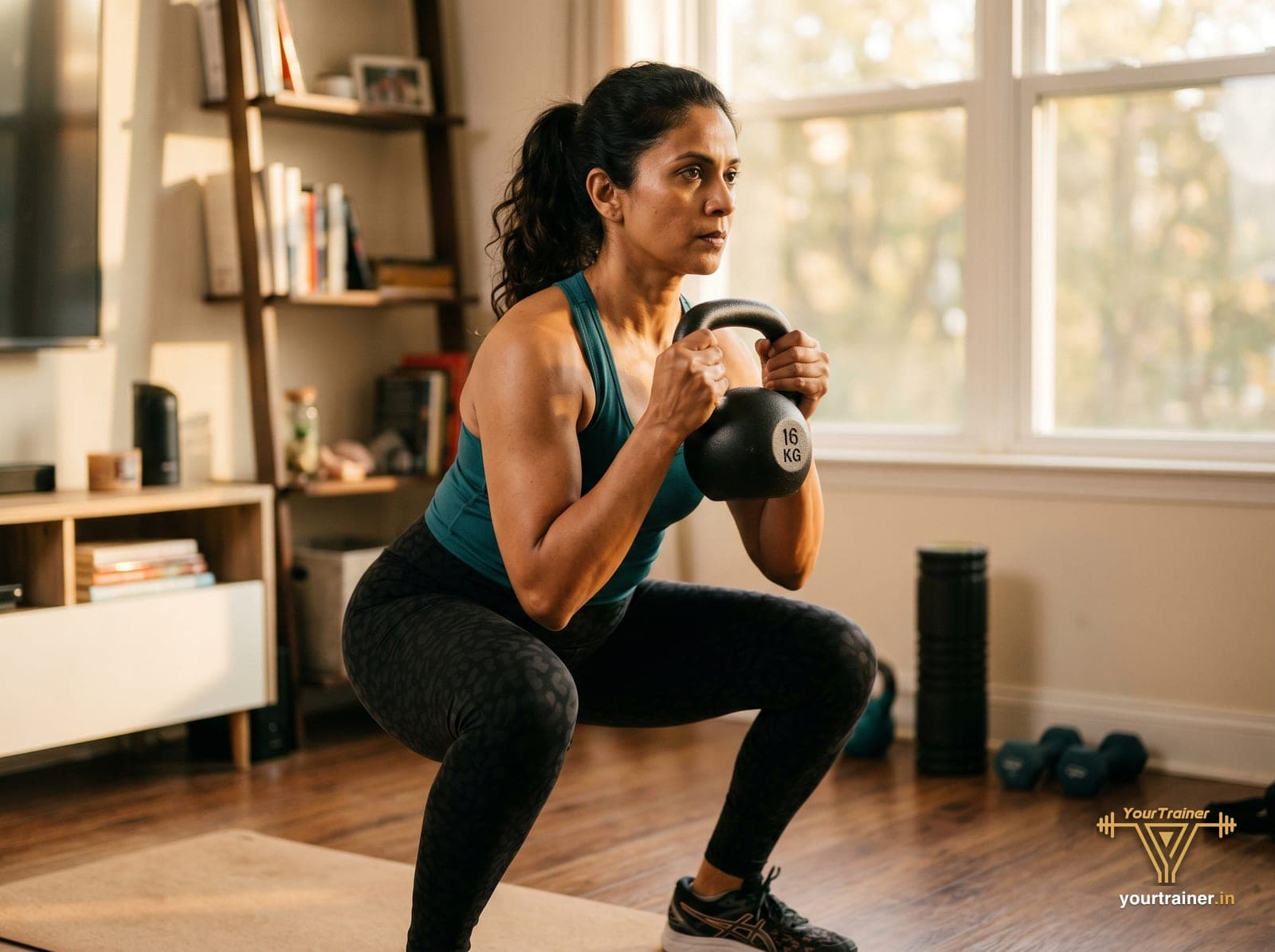
The international PCOS guideline recommends muscle strengthening on two non-consecutive days a week. Body weight, bands or light dumbbells at home all count.
3. Put protein in breakfast
Paneer bhurji, eggs, a moong dal chilla or curd with your usual breakfast. In our members' food logs, breakfast carried less protein than dinner.
4. Keep your food, measure the carb
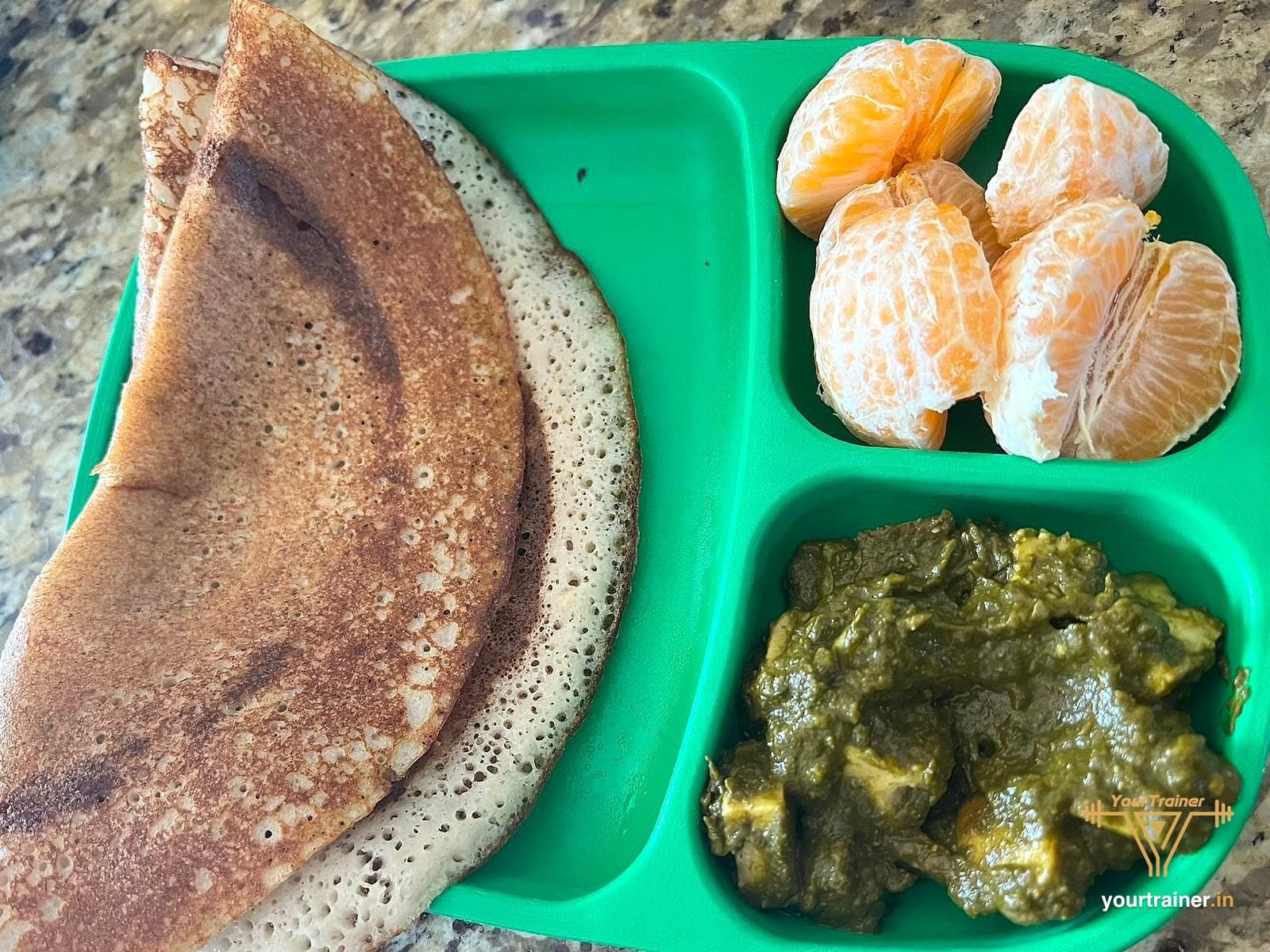
Rice, roti and dosa can stay. Measure the portion once so you know what a katori really holds, then build the plate around dal, paneer, eggs or chicken.
5. Walk after meals
A 10 minute walk after lunch and dinner is one of the simplest habits for blood sugar, and it fits around any job.
For the full plans, read the PCOS diet guide for Indian women abroad and the 4-week PCOS home workout. If you are in the US, see PCOS coaching for Indian women in the USA.
How we counted
- Name change facts: Endocrine Society press release, 12 May 2026.
- Exercise advice: the 2023 international PCOS guideline.
- BMI and South Asians: the MASALA study review.
- Our figures: A sample of YourTrainer coaching questionnaires completed between 22 Jun and 17 Sep 2026, counted once per person, aggregated. Answers are self-reported, not diagnoses.
- The call: A YourTrainer nutrition onboarding call recorded in September 2026, anonymised: name, age, weight and test results removed.
This page is education, not medical advice. Your doctor manages PMOS; a coach helps with training and food around it.
Want a plan built around your family's food, not against it? Start Your Journey.
Did you find this helpful?
About Anish Agarwal
Founder & Head Coach, YourTrainer · NASM & K11 Certified Personal Trainer · coaching since 2022
Featured in Dietitians.io, Fitness Interview, NRI Pulse. Press and media
Anish Agarwal is a NASM and K11 certified personal trainer coaching fat loss, body transformation, strength, and nutrition for clients across India since 2022. He founded YourTrainer to make expert, science-based coaching accessible online and in Bengaluru. Coach Anish's profile and the YourTrainer story.
Online 1-on-1 Coaching
Start Your Journey
Get a personalised training + Indian nutrition plan built around your goal, coached online, anywhere in India or abroad.
Trusted by 1,000+ clients coached across India & abroad
Free 30-min discovery call · No obligation