
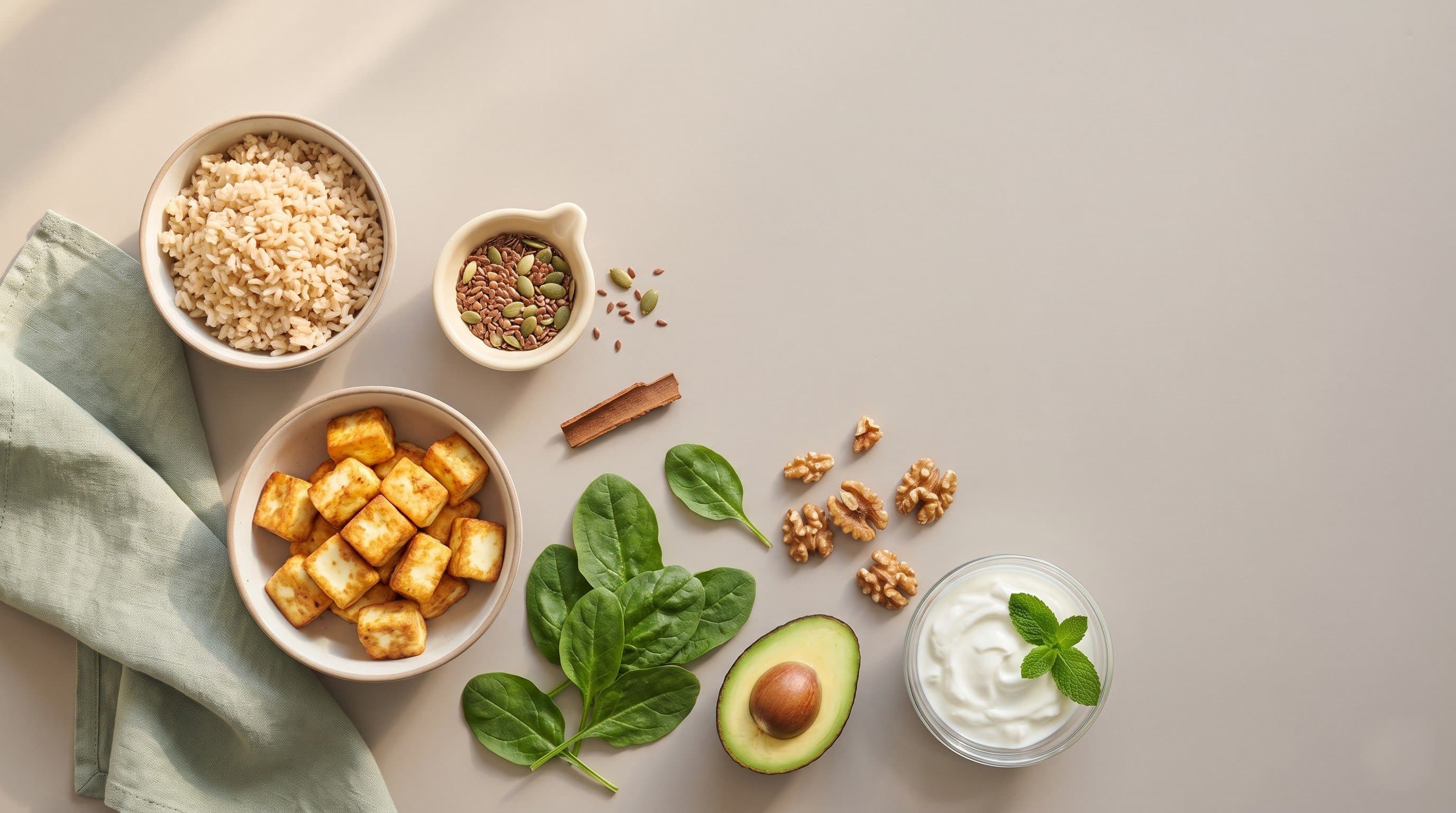
Thyroid Support Program
Restore. Energize. Perform.
A specialized program addressing the unique challenges of hypothyroidism and hyperthyroidism. We help you boost metabolism, manage energy levels, and achieve sustainable weight management.
Hypo vs Hyper: Two Opposite Problems
Your thyroid controls metabolism. When it malfunctions, the effects are opposite: and require different training and nutrition approaches.
Hypothyroidism
What happens
Your thyroid doesn't produce enough hormones. Metabolism slows, everything feels heavier: weight creeps on, energy crashes, recovery stalls.
How it affects training
- •Fatigue dominates, high-intensity work exhausts you quickly
- •Recovery is slow; soreness lingers 4–5 days
- •Strength gains plateau faster than others' experience
Nutrition priority
Adequate protein + calories. Undereating makes fatigue worse. Consistency beats perfection.
Weight management
Weight loss is slower. Focus on small, sustainable changes over months, not weeks.
Hyperthyroidism
What happens
Your thyroid produces too much hormone. Metabolism is overcharged: energy runs high but chaotic, weight drops even when eating, heart races, sleep fragments.
How it affects training
- •High intensity feels natural but risks overtraining + burnout
- •Heart rate stays elevated; recovery between sets is harder
- •Muscle loss risk if calorie intake doesn't support training
Nutrition priority
Eat enough to fuel intense activity and preserve muscle. Moderate activity, generous calories.
Weight management
Weight loss happens fast but is mostly water + muscle. Goal: stabilize weight, build strength.
Why your metabolism slowed
Thyroid hormones (T3 and T4) act like your body's metabolic throttle. They tell your cells how fast to burn fuel. When production drops, everything shifts into a lower gear: less energy out, less fuel needed, weight climbs despite unchanged eating.
This isn't laziness. It's physiology. Your resting metabolic rate genuinely decreases. The workouts that used to burn 500 kcal now burn 350. Food portions that maintained your weight now create a surplus.
The patience-first approach
Weight loss with hypothyroidism isn't fast. Aim for 0.25–0.5 kg per week, not 1 kg. This keeps energy up, preserves muscle, and works WITH your sluggish metabolism, not against it. Aggressive deficits backfire: lower energy, slower recovery, eventual rebound.
Our program builds sustainable habits: consistent training (not excessive), adequate protein, sleep prioritized, stress managed. Over time, as medication optimizes your TSH, your metabolism restarts: and the foundation we've built amplifies those gains.
Weight Fluctuations
Thyroid dysfunction disrupts metabolism, causing unexplained weight gain (hypo) or difficulty maintaining weight (hyper).
Chronic Fatigue
Thyroid imbalance slows metabolic processes, leading to persistent tiredness despite adequate rest.
Hair & Skin Issues
Hormonal imbalances can cause hair thinning, dry skin, and brittle nails that affect confidence.
Mood Changes
Thyroid hormones affect brain chemistry, leading to mood swings, anxiety, or depression.
Training Around Fatigue & Low Energy
Energy pacing and autoregulation beat rigid programs.
Autoregulation
No fixed rep ranges. Instead: pick a weight, lift it until the last 2–3 reps feel moderately hard, stop. On good energy days, you do 12 reps. Low energy? 6 reps, same muscle stimulus, less CNS fatigue.
Benefit: Removes guilt from reduced output and teaches your body to work at its level that day.
Moderate Intensity
Skip the 1-rep maxes and brutal HIIT. Instead: 3–4 sets of 8–12 reps per exercise, 60–90 sec rest, steady pace. This builds muscle without depleting already-low energy reserves.
Benefit: Consistent progress without the energy crash that follows heavy, intense sessions.
Recovery Prioritized
Soreness lasts 4–5 days with hypo. Plan 2–3 days between hitting the same muscle. Light days (walks, stretching) refill the tank without depleting it further.
Benefit: Reduces overtraining risk and keeps motivation high when soreness doesn't linger for a week.
Energy Tracking
Rate energy 1–10 before training. Below 4? Do light movement or skip. 4–7? Moderate session. 7+? You can push a bit harder. This data informs your coach's weekly plan adjustments.
Benefit: Real-time adaptation means consistent progress without burnout.
Nutrients That Support Your Thyroid
No exotic supplements needed. Food-first approach, backed by what your thyroid actually needs.
Iodine
Your thyroid can't make hormones without it.
Sources: Iodized salt, seaweed, eggs, dairy
Note: Most Indians get enough iodized salt; deficiency is uncommon but discuss with your doctor.
Selenium
Protects thyroid from oxidative stress.
Sources: Brazil nuts, eggs, chickpeas, brown rice
Note: A small handful of Brazil nuts 2–3 times weekly is enough.
Protein
Builds and repairs tissue; supports muscle during energy deficit.
Target: 1.6–2.2 g/kg body weight
Note: Included in your personalized meal plan. We hit this without excess.
Zinc
Essential for immune function and thyroid hormone conversion.
Sources: Chickpeas, pumpkin seeds, cashews, lentils
Note: Food-first is best; supplements only if deficient.
Iron
Low iron worsens fatigue and slows thyroid hormone utilization.
Sources: Spinach, dal, ragi, fortified cereals
Note: Pair with vitamin C (lemon, tomato) for better absorption.
Sleep & Stress
Poor sleep and chronic stress impair thyroid function recovery.
Target: 7–9 hours nightly
Bonus: Meditation, walks, time in nature: part of our program.
📌 Reminder: Food First, Supplements Second
Most of these nutrients are found in common Indian foods. Don't buy fancy supplements before you've optimized your diet. We'll guide you on what (if anything) to supplement based on your specific needs and any documented deficiencies.
Everything Included
Dedicated personal trainer
Metabolism-optimized workouts
Thyroid-supportive nutrition plan
Energy management coaching
Stress reduction techniques
Sleep optimization guidance
Home/Gym/Online options
Symptom-adaptive programming
WhatsApp support
Get a plan that works for you
6 Months Program
Everything you need for your transformation
Program Investment
Contact us for pricing
All plans include a free consultation. Pricing is customized based on your goals and requirements.
Real Members. Real Strength Results.
Their own words from video testimonials. Individual results vary, and none of these members is presented as having your condition.
Strength + Flexibility • 3 Months
"I am able to do my classes regularly, and I have certainly felt an increase in my strength and flexibility. I would recommend it to anyone who works full time and wants to build strength and flexibility."
KKalyani
Working Professional • Online Coaching
93kg → 86kg • 3 Months
"Initially when I started three months back, I was 93. Now it's 86. It's not just about the weights. I feel overall energetic and very confident."
SShreya
YourTrainer Member
Energy back • 2+ Months
"It's been more than two months and I can see the far difference between now and then. Now I feel very strengthened and energetic and happy and lively, and more or less I can play with my son."
DDeepa
Working Parent • Strength Training
Frequently Asked Questions
Ready to take control of your health?
Book a free consultation and let's discuss your health goals. We'll create a personalized plan just for you. For female clients managing thyroid alongside menstrual cycles, see how our coaches adapt training during different cycle phases.
- 30-minute call with a fitness expert
- Personalized program recommendation
- No commitment required
- Female coaches available, just ask at your consultation
Let's Get Started
Fill in your details and our expert will reach out to you.
Keep reading & go deeper
Sources
- Hypothyroidism (underactive thyroid) · American Thyroid Association
- Nutrient requirements for Indians · ICMR, National Institute of Nutrition
Educational information, not medical advice. Always consult your doctor before changing medication, diet, or exercise for a diagnosed condition.
Thyroid medication and lab targets are set by your doctor: we coordinate training and nutrition around that, not in place of it.
- Coach Anish Agarwal, Founder & Head Coach at YourTrainer
Certified Personal Trainer · Thyroid & Metabolism · Bengaluru since 2022