
1-on-1 video coaching · For Indian Americans · Free discovery call
Updated
Online Diabetes & Pre-Diabetes Coach USA
Exercise and Indian-diet nutrition for blood sugar, planned around your US work day.
If you are an Indian American with type 2 diabetes or pre-diabetes, or your HbA1c has started to climb, we build a plan around what moves blood sugar: strength training, walks after meals, and the rice, roti and dal you already eat. You work with one coach on a 1-on-1 video call, we use your own labs, and your doctor stays in charge of your medication.
- 7:00 PM to 9:00 PM India time, one example slot. Coaches cover every time slot
- 8:30 AM to 10:30 AM on your clock in US Eastern time (winter)
Time zones
Your session on a US clock
Coaches cover every time slot, so you pick the hour that suits you. The ring shows one example: a 7 to 9 PM India session is 8:30 to 10:30 AM on US Eastern time in winter. Your own time is set on the free call.
| Example: India 7 to 9 PM | US winter, from 1 Nov 2026 | US summer, from 14 Mar 2027 |
|---|---|---|
| Eastern (New York, New Jersey, Florida, Georgia) | 8:30 to 10:30 AM | 9:30 to 11:30 AM |
| Central (Texas, Illinois) | 7:30 to 9:30 AM | 8:30 to 10:30 AM |
| Pacific (California, Washington) | 5:30 to 7:30 AM | 6:30 to 8:30 AM |
One example session on each local clock. Coaches cover every time slot, so your own time is the one you pick.
A late-morning session can sit between meetings or come just before lunch. We set the first session around the calendar you already have, and move it if your work calendar changes.
Who this is for
Built for Indian-American diabetes management
Who it suits
- Indian-American adults with type 2 diabetes or pre-diabetes who want to improve blood sugar through exercise and food
- People with a parent, aunt or uncle who has diabetes, who want to act early
- People who gained weight after moving to the US, and whose blood sugar has started to move
- Adults whose doctor said diet and exercise, but who need a coach who knows Indian food and a busy US schedule
Why standard diabetes coaching has not worked for you
- US trainers rarely plan around dal, rice and roti portions, so the advice does not fit your plate
- Generic 'eat less, move more' advice ignores how Indian families cook and eat
- Boutique gyms are costly and rarely plan around blood sugar, sleep or your food
- Most plans stop after a month, when work gets busy and the routine breaks
Evidence
What the research says about diabetes and remission
Type 2 diabetes is common among Indian adults. In the ICMR-INDIAB-17 survey, 11.4% of Indian adults had diabetes and 15.3% had prediabetes [1]. Those are national figures for India, not for Indian Americans. We use them to show how common the condition is, and we use your own labs for everything else.
The clearest trial evidence for remission comes from DiRECT. In UK primary care, 46% of people with type 2 diabetes (68 of 149) reached remission at 12 months, against 4% (6 of 149) in usual care [2]. Remission there meant an HbA1c below 6.5% without diabetes medicines. Remission followed weight loss, and none of the 76 people who gained weight reached it.
The ADA Standards of Care for 2026 cover positive health behaviors in section 5 [3], and the medicines that lower blood glucose, including GLP-1 receptor agonists, in section 9 [4]. We use those sections for the topics they cover. Your doctor sets the medicine and the targets for your treatment.
We do not quote numbers from the ADA guidance on this page, because the numbers that matter for you are your doctor's targets. We cite the sections for the topics they cover.
Testing
When Indians in the US should get tested
The US Preventive Services Task Force recommends screening adults aged 35 to 70 who have overweight or obesity for prediabetes and type 2 diabetes. It adds that a BMI of 23 or more may be the right cut point for Asian Americans, not 25, and that screening can start earlier in groups with high rates of diabetes [5].
That matters for Indian Americans. In the MASALA study, South Asians in the US had an age-adjusted diabetes prevalence of 23%, higher than the white, Chinese American, African American and Hispanic groups compared with them, and the gap was not explained by the usual risk factors [6]. So if your BMI is 23 or more, ask your doctor for an HbA1c or a fasting glucose test, even before 35.
After a prediabetes result, the first habit we add is a walk after meals. In a crossover trial, a 10-minute walk after each main meal lowered blood sugar after meals more than one 30-minute walk at another time of day [7].
Prevention and reversal
Coaching for the prevention and reversal of diabetes
Prevention means keeping pre-diabetes from becoming type 2 diabetes. It helps most before your labs reach the diabetes range, but the plan also works alongside treatment, and your doctor decides which stage you are at. Reversal is the word most people search for, and the trials call it remission. In DiRECT, remission meant an HbA1c under 6.5% without diabetes medicines [2]. This page uses the word remission, the way the trials do.
What we can do is set the training and food side of the plan, track your readings, and share the picture with your doctor, who decides on any change to medicine. We do not promise a cure.
The session
What a session checks
Your labs, first
We ask for your latest HbA1c and fasting glucose, with the dates. Before we change a meal or a workout, we know which numbers we are working from.
The walk after dinner
Most plans start with a 10-minute walk after the biggest meal. We check the timing, the route, and whether the walk fits on your late work days.
Form on video
Squats, hinges and presses are checked on camera during the call: knee line, hip hinge, back position and breathing. Load comes after the form is steady.
The plate
In the first week, rice, roti, dal and sabzi are measured in cups or katori. After that, members judge portions by eye, and we check the food log against what they saw.
Inside a session
How a 45 to 60 minute session is spent
- Warm-up, 8 to 10 minutes: walking, hip and shoulder mobility, and a check of how you feel and how your last meal went.
- Main work, 25 to 30 minutes: two or three strength exercises, one set at a time, with the coach watching your form on video.
- Walk or cooldown, about 10 minutes: outside or indoors, at a pace where you can still talk.
- Review, 5 to 10 minutes: your readings, your week's log and the one change for the week ahead.
The coach
What your coach brings to each session
Coaching here is one-to-one. The same coach sees your readings, your food and your form across the weeks, so each call builds on the last one.
Set up for your schedule
We build the week around your work hours, travel and meal times, not around a template copied from a gym.
Food that stays Indian
Rice, roti, dal, paneer and sabzi stay on the plate. We change the portion, the oil, the sugar and the order of the plate, not the whole cuisine.
Written up after each call
Each session ends with three to five lines: what we changed, what to do this week, and what to log. You can read them again on WhatsApp.
Progress shared, not hidden
You see your own readings and your plan. With your permission, the same summary goes to your doctor before the next lab visit.
Common mistakes
Mistakes we see in Indian kitchens in the US
- Skipping breakfast, then a large dinner after a long day. The late meal is often the hardest one to bring down.
- A big bowl of rice with a small spoon of dal. The rice fills the plate, and the protein goes missing.
- Takeout that looks healthy: a large naan with a cream curry such as korma or makhani.
- A mango lassi or a glass of fruit juice as the snack, instead of plain dahi with a handful of nuts.
- Sitting from the desk to the couch, with the walk saved for the weekend.
Coach tip: On takeout nights, order the dal and the sabzi first, then choose one roti or one cup of rice, not both. The plate matters more than the name of the dish. Log the walk, not only the meal.
Our data
Where fried food sits in a member's day
From member food logs, 19 Apr to 13 Oct 2026: 1.8% of all logged food items were deep-fried. On fully logged days, 1 in 5 included a deep-fried item. The share of fried items by meal was lunch 36%, dinner 30%, snack 20% and breakfast 14%.
Lunch is where we start, because it carries the largest share of fried items in our logs.
Our data
Health goals from women in the US
From our coaching questionnaire, 22 Jun to 17 Sep 2026. Of the people outside India in that sample, 51% were in the US. Among women in the US, these were the health topics they picked.
Many of the women who write to us are looking at blood sugar and hormones together. So the plan covers training and food for both, and any diagnosis stays with your doctor.
At home
Rice, roti and dal in a US kitchen
Rice
Measure the cooked cup, not the pot. Brown rice or a half-and-half mix works if you like it. One cup of cooked rice is 206 kcal and 4 g protein in our app's database.
Roti
One or two whole wheat rotis, with dal and a vegetable on the same plate. Our database lists 1.5 rotis at 156 kcal and 4.5 g protein.
Chai and sweets
Sugar in chai and mithai adds up across a day. We count the cups and the sweets, and set a limit you can keep in a busy week.
Weekend biryani or pulao
Measure one plate, add the raita and a salad, and walk after. We do not ask you to give up the dish.
Local food
Where to shop and what to order in the US
| Where | What to pick | What to swap |
|---|---|---|
| Patel Brothers | Whole moong dal, plain dahi, frozen mixed vegetables, brown basmati | Sweetened yogurt for plain dahi. Half the white rice for brown rice. |
| Costco | Rotisserie chicken (skin off), eggs, plain Greek yogurt, frozen broccoli | Bread rolls for a roti made at home. |
| Whole Foods or Trader Joe's | Canned chickpeas (rinsed), paneer, plain nuts, rolled oats | Flavored instant oats for plain oats with nuts. |
| Indian restaurant or takeout | Tandoori chicken or fish, dal, sabzi, one roti | Naan and cream curries (korma, makhani) on most days. |
| Diner or food court | Grilled chicken, beans, a salad with the dressing on the side | Leave half the rice for the next meal. |
Portions from our app's food database (cooked)
- 1 cup cooked rice: 206 kcal, 4 g protein
- 1.5 rotis: 156 kcal, 4.5 g protein
- 1 bowl dal: 150 kcal, 9 g protein
- 50 g paneer: 133 kcal, 9 g protein
- 100 g dahi: 61 kcal, 4 g protein
- 2 boiled eggs: 156 kcal, 13 g protein
- 150 g chicken breast: 248 kcal, 46.5 g protein
Per portion, a bowl of dal has 9 g protein and a cup of rice has 4 g. That is why we plan the whole plate, not a single dish.
Travel
When travel or a busy week breaks the routine
Travel and jet lag came up in 19% of the one-to-one coaching sessions we went through as case studies. It was the most common reason for a missed session. So we plan for it before the trip, not after the missed week. Send us the dates as soon as you have them.
- Keep the walk after each meal, even in an airport or a hotel lobby.
- Keep one strength session in the hotel room or the gym, using bodyweight moves.
- Move the coach call to the nearest slot in your week, and tell us before you fly.
- Ask your doctor about any change to medicine or meal timing before you travel.
Between sessions
What to log between sessions
Short logs are enough. We read them before each call, so the session starts from what happened that week.
- Fasting glucose, if your doctor has asked you to check it
- Any readings after meals that your doctor has asked you to take
- Walk minutes after each main meal
- Hours of sleep, and any night you did not sleep well
- Meals with rough portions in cups, katori or plates
Your week
A sample training week
An example week on US Eastern time. Your own session time is the one you pick. The walks are yours to fit around work.
Your doctor
Where we fit with your doctor
We share progress with your doctor when you agree. We do not start, stop or change medicines. Your doctor stays in charge of your medication. If you use insulin, or a medicine that can lower blood sugar on its own, tell us on the first call, because training can change your readings.
If your doctor has already set a target for your HbA1c or fasting glucose, we plan around that target. If they have not, we ask the question at the discovery call and bring the answer back to your doctor.
What we share, with your permission
- Your weekly readings and the trend over the last few weeks
- Your food log summary and the changes we made
- Your session notes, including any injury or symptom you report
Limits
What a coach does not do
Being clear about limits is part of the plan. A coach who works on blood sugar still stays out of these areas.
- Diagnose diabetes or prediabetes, or read your labs as a diagnosis
- Start, stop or change insulin or any other diabetes medicine
- Promise an HbA1c number or a remission date
- Replace your doctor's follow-up, tests or care plan
Before you book
What to bring to the discovery call
- Your latest HbA1c and fasting glucose, with the dates
- Your medicine list and the doses your doctor set
- A typical week: work hours, travel, meals and where you eat them
- Any joint pain, injury or heart condition your doctor knows about
- Your goal, in one sentence
How it runs
The first month
The first month is about habits you can keep, not a perfect week. Each step below builds on the one before it.
1. Discovery call (30 min)
We talk about your labs, your routine, your family history and what has not worked. No sales pitch.
2. Coach match
We match you with a coach by time zone, goal and whether you prefer a female coach.
3. First sessions
The first two sessions check form, your walks and your food. We set the full plan after the first week.
4. Weekly check-ins
A short check-in each week on readings and food. We change the plan every 2 to 3 weeks, based on what you tell us.
Over time
What changes week to week
The plan moves in steps. We do not change five things at once, so you can see which change helped.
Weeks 1 to 2: habits
Walks after meals, two or three strength sessions, and one food change. We do not add more until the habits hold.
Weeks 3 to 6: load and rhythm
Strength load goes up when your form is steady. Meal timing moves only if your readings show a pattern.
After six weeks: review
We look at your readings and your labs together, keep what works, and drop what does not.
Holidays
Diwali, Eid, Thanksgiving and family dinners
These are the meals where plans usually slip, so we set one rule for each. Keep the protein on the plate first, keep the walk after the meal, and log it the next morning. A plan that works on a holiday is a plan you can keep on a Tuesday. Pick the one rule that fits your week best, and start there.
Evidence
How we use sources on this page
Each health claim on this page comes from a trial, a guideline or our own coaching data. Our data is marked with its window and shown as percentages. Where the evidence does not answer a question, we say so, and we look at your own pattern with you.
What you get
What is included
What is included
- 1-on-1 video sessions with a dedicated coach, at any US time that suits you
- Strength training and walking plans set for insulin sensitivity
- Indian meal planning with rice, roti, dal and paneer, portions in cups and katori, and US grocery options
- Weekly check-ins, with your labs shared with your doctor when you agree
- WhatsApp support between sessions for food and form questions
- Female coaches on request. Coaching since 2022
What changes over the first months
- Strength and walking that you can see in your own readings, tracked week by week
- Fasting and after-meal glucose readings from your meter, checked at each check-in
- HbA1c checked with your doctor on your usual schedule. We do not promise a number
- Weight, waist and energy, checked every week, so the plan follows what happens
Inside a 1-on-1 session
One coach, one member, one video call
Your coach on one screen, you on the other. Short muted clips from real sessions.
Who coaches you
Certified coaches, based in India
Every coach on the team is certified. Our women's coaches lead PCOS, thyroid, postpartum and strength plans, and you can ask for a woman coach on your free call.

Tanmanna
Women's Strength & Conditioning Coach
ACE Certified Strength & Conditioning
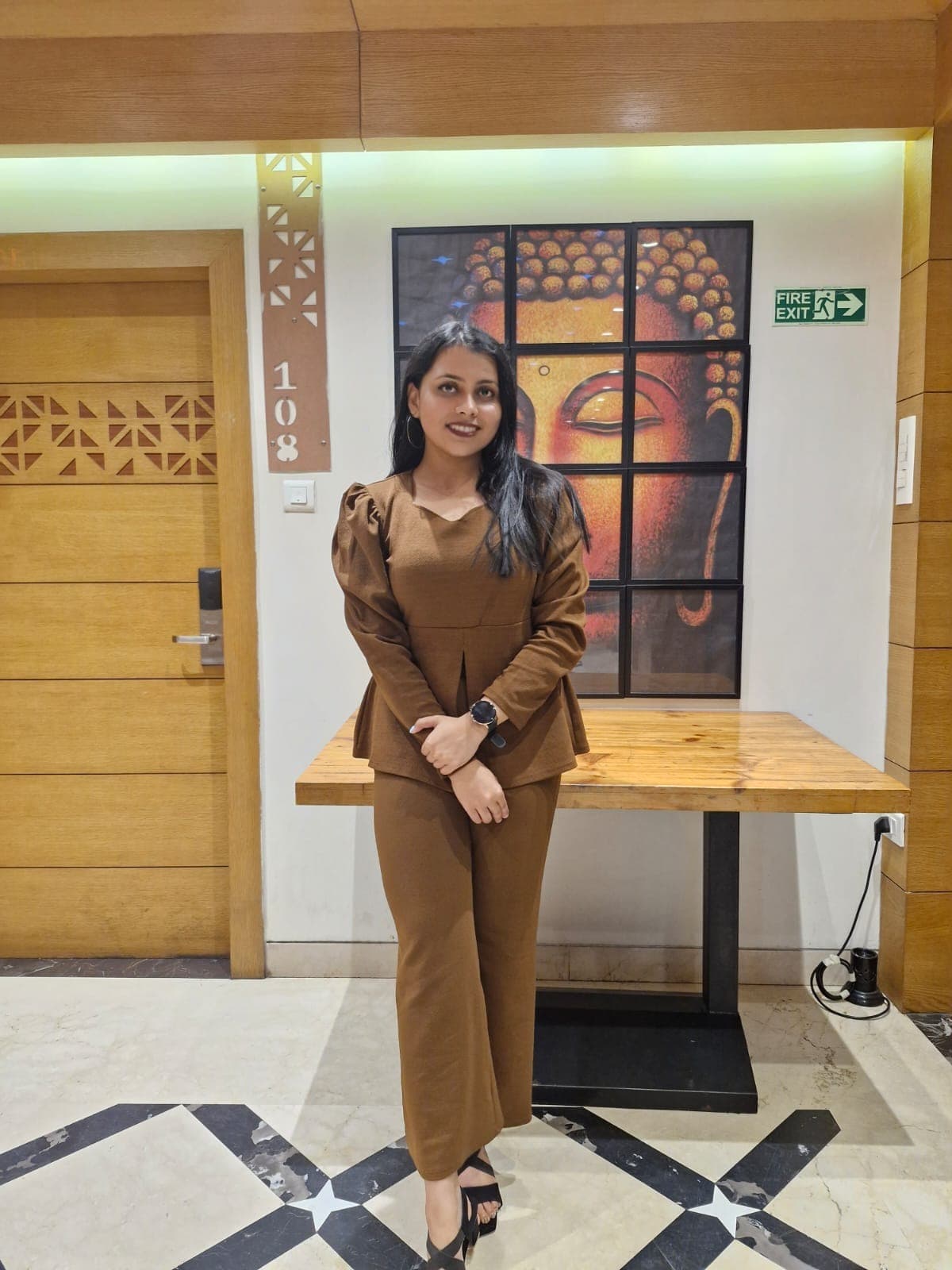
Priyanka Dey
Clinical Nutritionist
M.Sc Clinical Nutrition and Dietetics (Bangalore University)
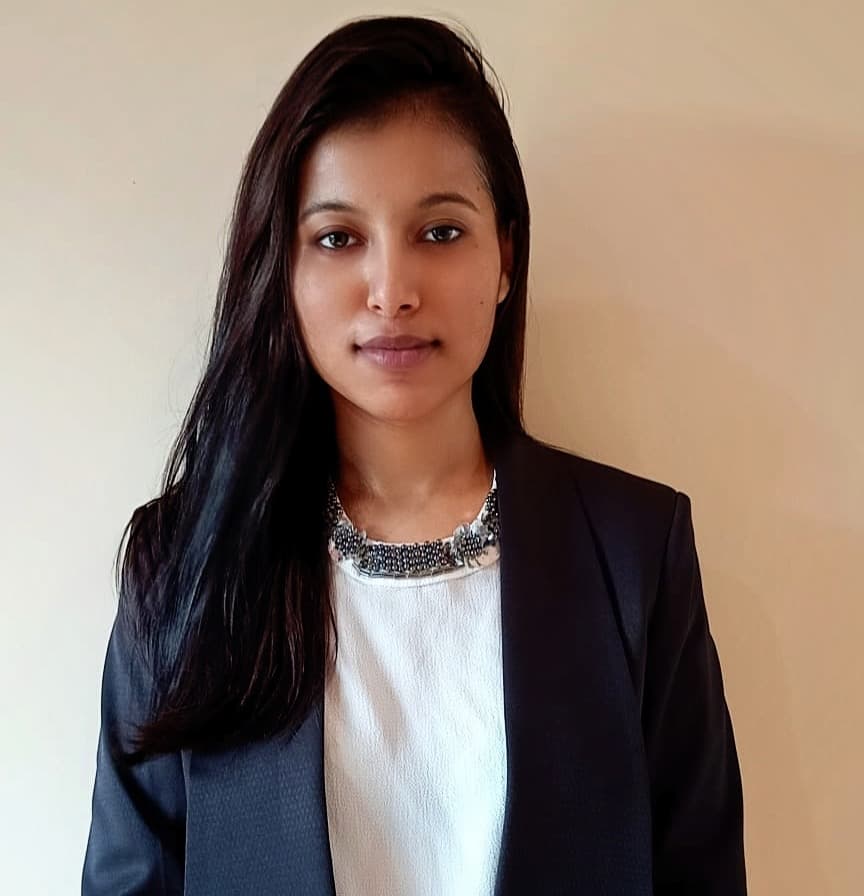
Nancy
Transformation Coach
Nutrition Specialist · PCOS Fitness Specialist
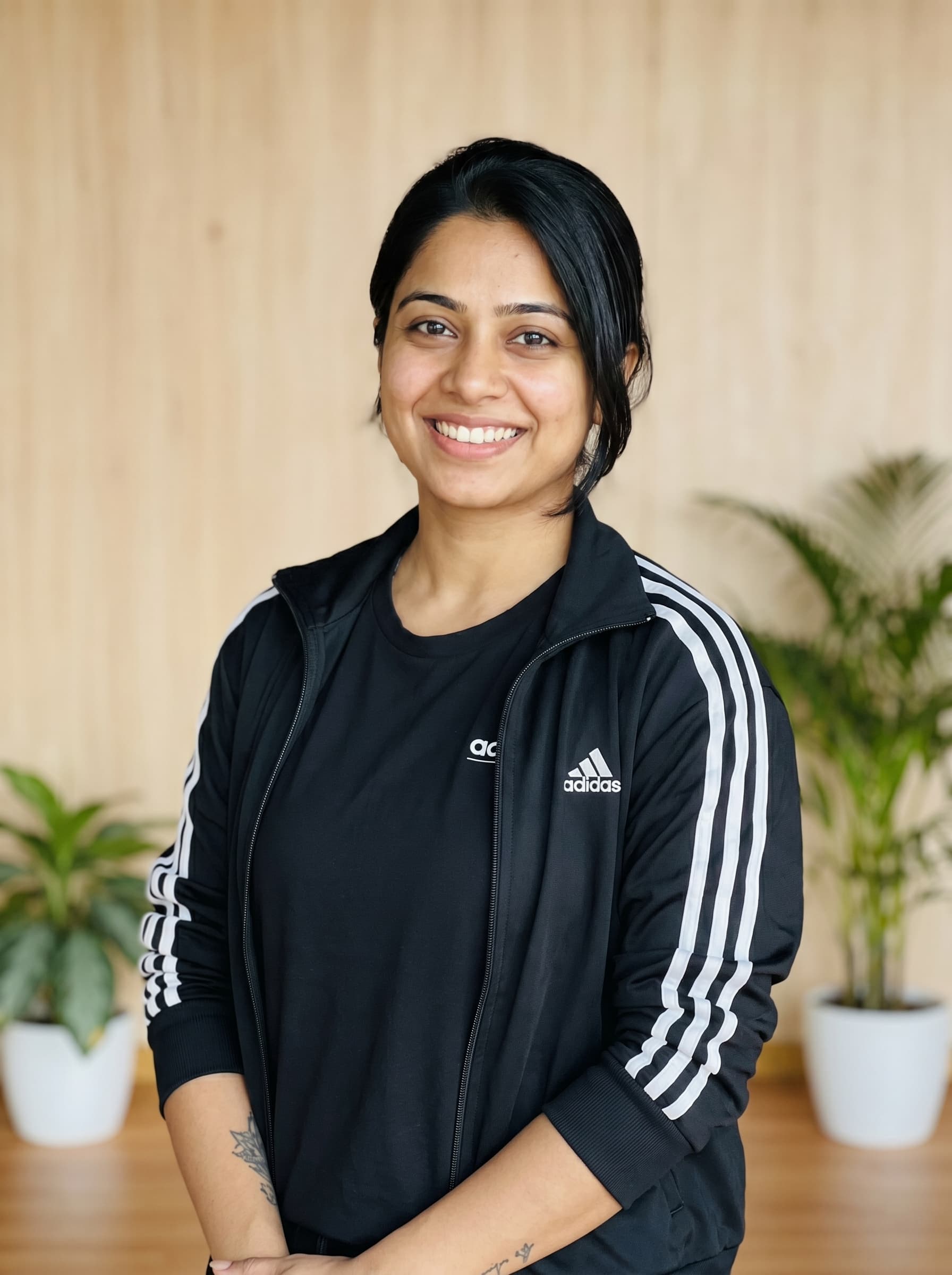
Aditi
Yoga and Strength Coach
Certified Personal Trainer · Strength & Conditioning Specialist
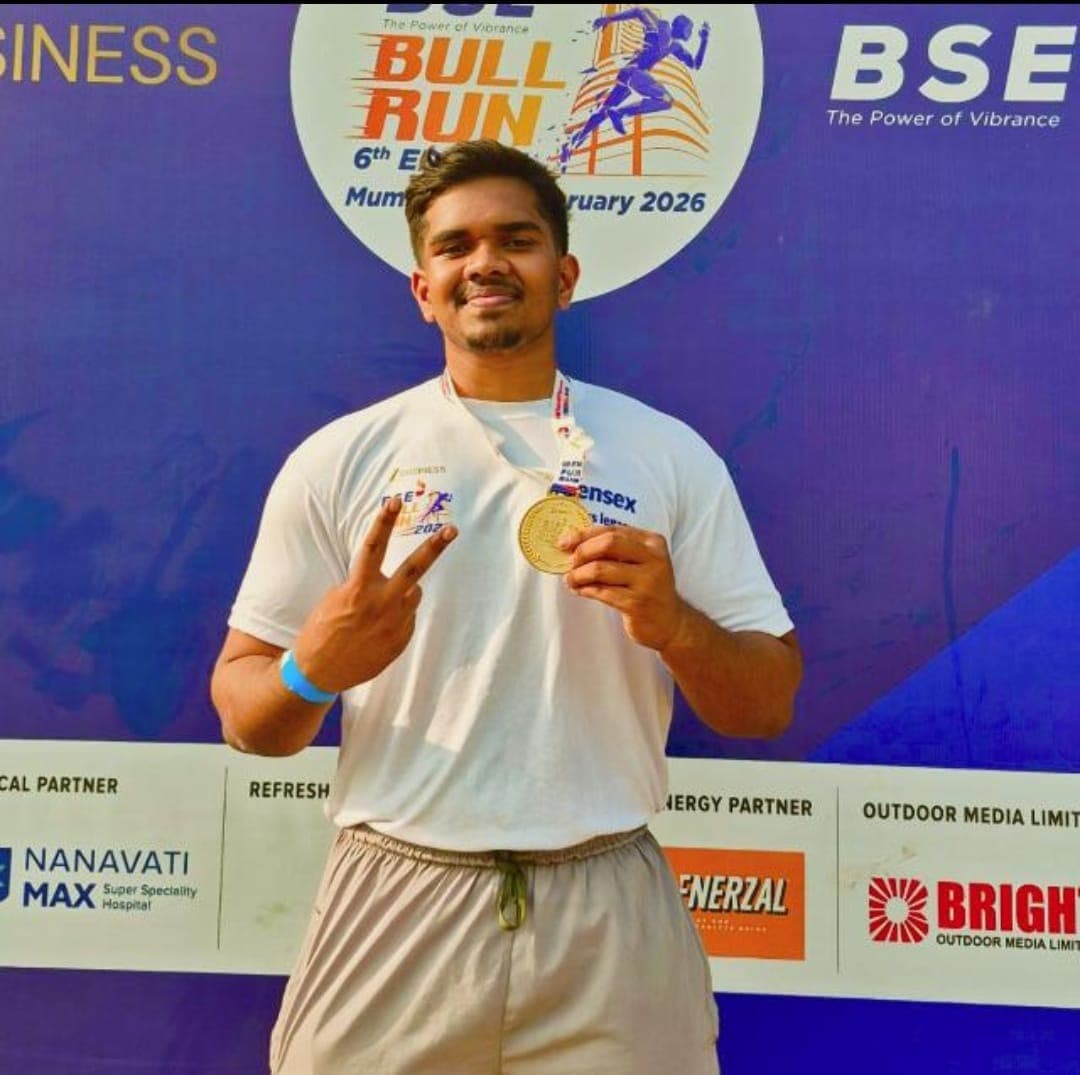
Vivek
Strength & Conditioning Coach
ACE Certified Personal Trainer
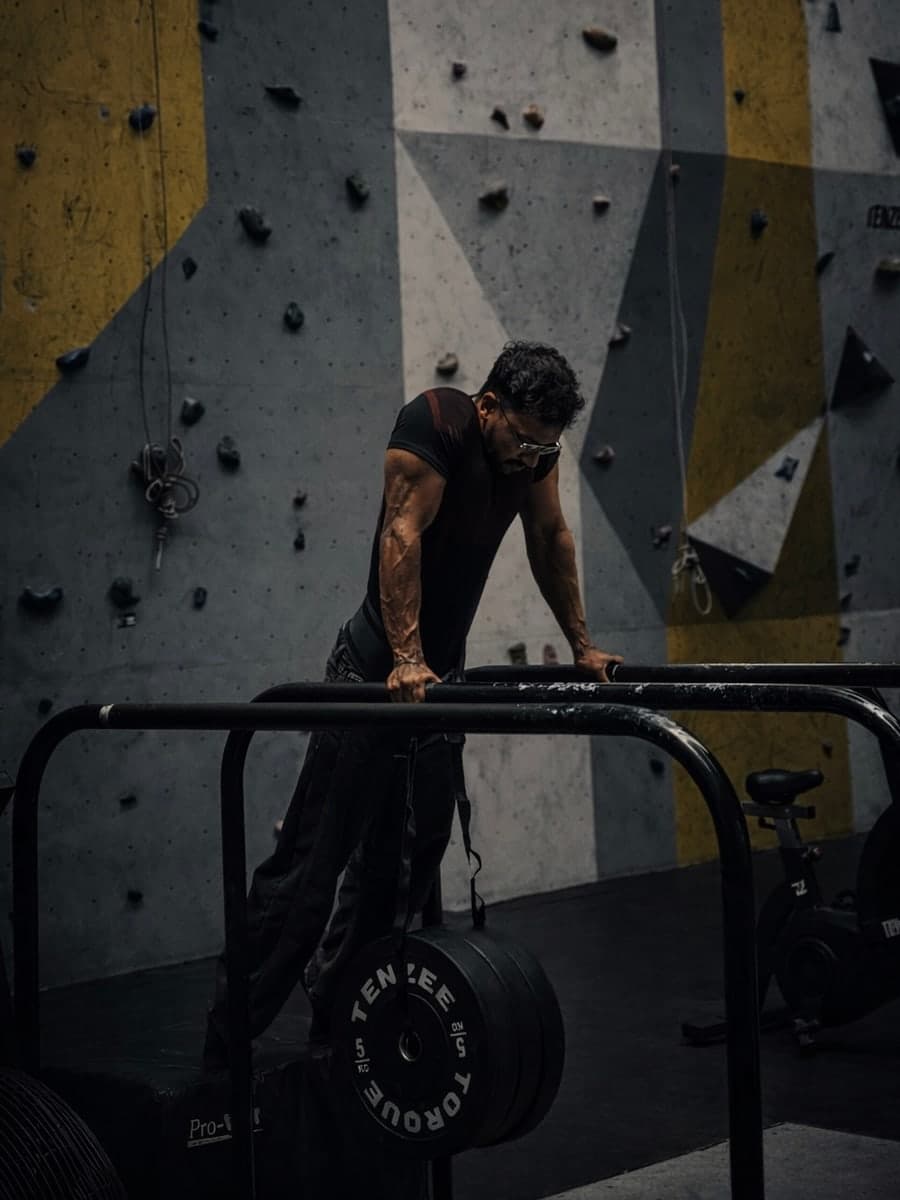
Animesh
Strength & Conditioning Coach
Strength & Conditioning (K11)
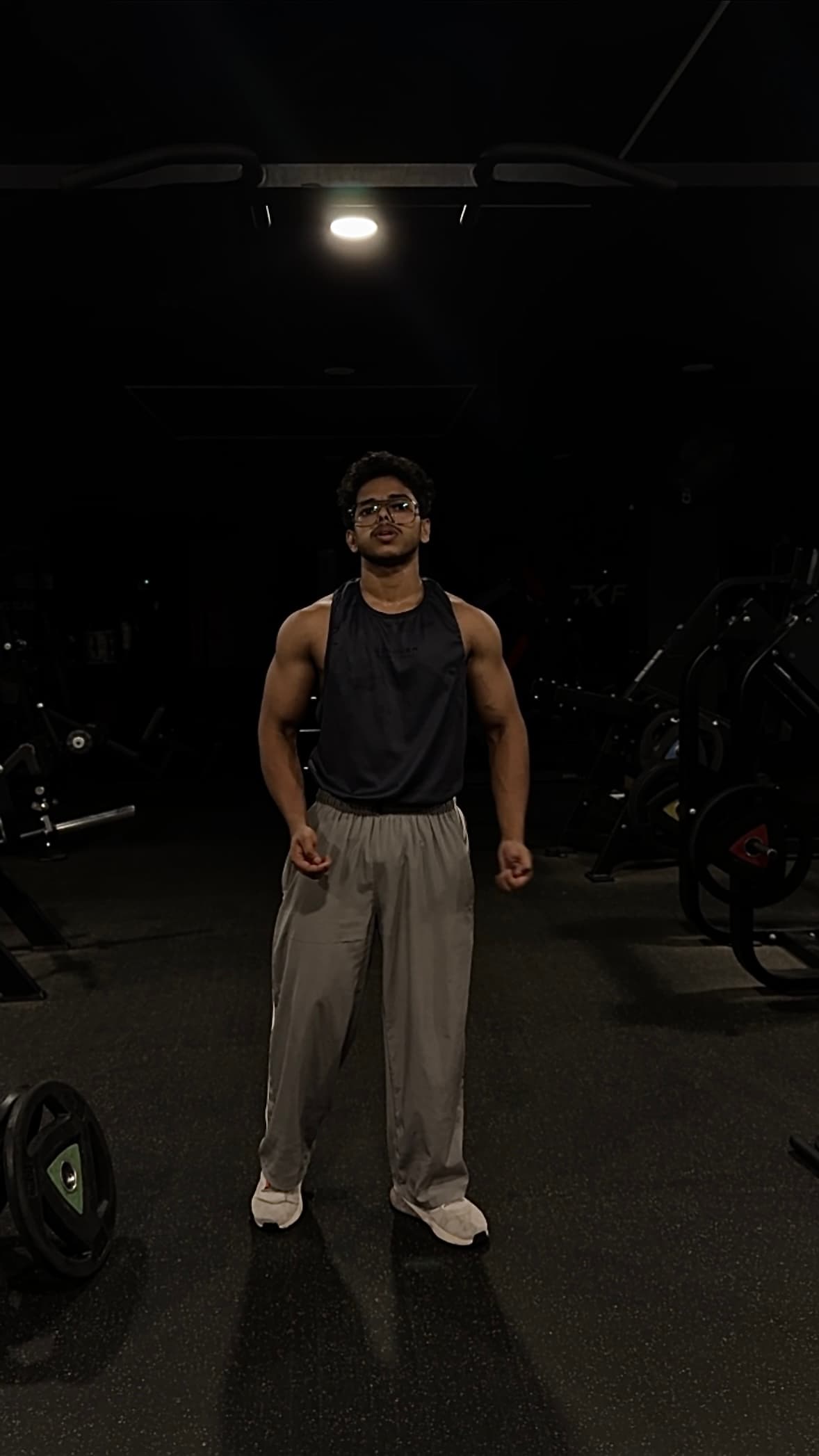
Gokul
Strength & Conditioning Coach
Certified Strength & Conditioning Specialist (CSCS) (NSCA)

Anish Agarwal
Founder & Head Coach
NASM Certified Personal Trainer · K11 Certified Fitness Trainer
How it starts
Step 1
Free 30-minute call
Talk to a certified coach about your goals, your health and your week. The call is free.
Step 2
Your plan
Training and an Indian food plan, built around the groceries where you live.
Step 3
1-on-1 video sessions
Coaches cover every time slot. Pick any time that suits you in your US time zone.
Step 4
Weekly review
Your coach checks your progress, food photos and energy, then adjusts the plan.
Free 30-minute call with a certified coach.
Indians Abroad, Training With Us
Real members abroad, recorded on real calls in their own living rooms. No studio, no filters.
Swipe to explore
1 / 4
Questions
Common questions
Can exercise really help manage blood sugar levels?
Exercise is one of the main levers in the ADA's guidance on diabetes care, which covers positive health behaviors in section 5 3. Strength work and walks after meals are the two habits we start with. We track your own readings, so you can see whether a change helps you. We work with your doctor's labs and never replace your treatment.
Why are Indian Americans at higher risk for Type 2 diabetes?
The reasons mix family history, where body fat sits, how active a day is, and what is eaten. Diabetes is common among Indian adults: the ICMR-INDIAB-17 survey found 11.4% with diabetes and 15.3% with prediabetes 1. Those are national figures for India, not for Indian Americans. On the discovery call we look at which of these reasons apply to you.
Do I need to be a gym member, or can I train at home?
Either. Many plans are built for home with bodyweight moves, a resistance band or light dumbbells. Others are built for an apartment gym or a commercial gym. Walks happen outside, in your neighborhood. The plan is set around your space and your schedule.
What about Indian food? Can my nutrition plan work with dal, rice, and roti?
Yes. Dal, rice, roti, paneer and sabzi stay in the plan. We set portions in cups and katori, choose basmati or brown rice based on what you eat, and plan around Patel Brothers, Costco, Whole Foods and Trader Joe's. Our app's food database lists 1 cup of cooked rice at 206 kcal and 4 g protein, and 1 bowl of dal at 150 kcal and 9 g protein, so we balance the plate with protein.
How do time zones work for online coaching from India?
Coaches cover every time slot, so you pick any US time that suits you. One example: a 7 to 9 PM India session is 8:30 to 10:30 AM Eastern, 7:30 to 9:30 AM Central and 5:30 to 7:30 AM Pacific in US winter time (1 November 2026 to 14 March 2027). Each session is a 1-on-1 video call with your coach.
What if I'm taking diabetes medication? Will coaching interfere?
No. We do not start, stop or change medicines. Your doctor stays in charge of your medication. We plan the exercise and food side, share progress with your doctor when you agree, and tell you when something needs your doctor the same day. ADA section 9 covers the medicines that lower blood glucose, including GLP-1 receptor agonists 4. If you take insulin, or a medicine that can lower sugar on its own, tell us on the first call, because training can change your readings.
I have never done strength training. Can I start now with pre-diabetes?
Yes. We start with a short, controlled plan: chair squats, push-ups against a counter, band rows and walking. Load goes up over several weeks, only when your form is steady. Tell us about any joint pain or injury before the first session. If you have heart, eye or kidney complications, ask your doctor to clear the plan first.
How often do I need to train to see improvements in blood sugar?
Most plans start with three strength sessions a week and a walk after meals. The timing of the walks matters as much as the number of sessions, so we set both. We review your readings and your labs every few weeks, and change the plan only when there is a reason to.
Is there a female coach option? I prefer to train with a woman.
Yes. We have female coaches. Tell us your preference on the discovery call, and we match you with a coach by time zone, goal and preference.
What's the cost? Do US health insurance cover this?
Plans are customized to your goals and your weekly sessions, and this page does not list a fixed fee. Book the free 30-minute discovery call to get the plan and the cost for your case. Whether your insurance, HSA or FSA pays is decided by your plan, not by us. We can give you an itemized invoice with the session dates and the coach's name, and you check with your plan administrator before you claim it.
I take a GLP-1 medicine. Can I use this page?
Yes, if your doctor has prescribed it and you are working on blood sugar with them. We plan the training and the food around it. We do not advise on dosing, and your doctor stays in charge of your medication. If your main question is about GLP-1 medicines, our GLP-1 coaching page covers that.
Does coaching replace my HbA1c checks?
No. Your doctor sets the HbA1c and fasting glucose schedule. We ask for the results, track them against your own readings, and plan around them. Coaching does not replace those tests or your doctor's review.
Will I need to lose a lot of weight to see a change?
Not to start. Remission in the DiRECT trial varied with the amount of weight lost 2. We look at weight, waist and readings together, and set a goal you can keep for months, not weeks.
Evidence
Sources
- ICMR-INDIAB Collaborative Group (2023). Metabolic non-communicable disease health report of India (ICMR-INDIAB-17). Lancet Diabetes and Endocrinology.
- Lean ME et al. (2018). Primary care-led weight management for remission of type 2 diabetes (DiRECT): an open-label, cluster-randomised trial. The Lancet.
- American Diabetes Association Professional Practice Committee (2026). 5. Facilitating Positive Health Behaviors and Well-being to Improve Health Outcomes: Standards of Care in Diabetes-2026. Diabetes Care.
- American Diabetes Association Professional Practice Committee (2026). 9. Pharmacologic Approaches to Glycemic Treatment: Standards of Care in Diabetes-2026. Diabetes Care.
- US Preventive Services Task Force (2021). Screening for Prediabetes and Type 2 Diabetes: Recommendation Statement.
- Kanaya AM et al. (2014). Understanding the High Prevalence of Diabetes in U.S. South Asians Compared With Four Racial/Ethnic Groups: The MASALA and MESA Studies. Diabetes Care.
- Reynolds AN et al. (2016). Advice to walk after meals is more effective for lowering postprandial glycaemia in type 2 diabetes mellitus than advice that does not specify timing: a randomised crossover study. Diabetologia.
Keep reading
Keep reading
Ready to start?
Tell us where you are, and a coach builds the plan around your schedule and your food.
Start Your Journey