
1-on-1 Video Coaching · For Indian Women · Female Coach on Request
Updated
Online PCOS / PCOD Coach USA
PCOS coach USA online, for Indian-American women with PCOS or PCOD. Hormone-aware strength training, Indian food and cycle-aware planning, with a coach in India on your US clock.
PCOS shows up differently in every woman, so we start with your cycle, your food and your week. Your coach joins you on a 1-on-1 video call at your US time, plans training around your cycle rather than against it, and builds nutrition around Indian staples such as dal, sabzi and paneer. The plan fits your family, your work and your doctor's care. Book the free discovery call to talk through your PCOS.
Your clock
A 7 to 9 PM India session, on your US clock
Coaches cover every time slot, so you pick the hour that suits you. One example: a 7 to 9 PM India session is 7:30 to 9:30 AM in Texas, Illinois or Minnesota in US winter time (1 November 2026 to 14 March 2027).
- 7:00 PM to 9:00 PM India time, one example slot. Coaches cover every time slot
- 7:30 AM to 9:30 AM on your clock in US Central time (Texas, Illinois, Minnesota)
- Pacific time (PST): 5:30 to 7:30 AM
- Central time (CST): 7:30 to 9:30 AM
- Eastern time (EST): 8:30 to 10:30 AM
- From 14 March 2027 (US daylight time), add one hour to each US time.
Who this is for
Built for Indian-American women with PCOS
Who it suits
- Indian-American women diagnosed with PCOS or PCOD who want hormone-aware training
- Women trying to conceive with PCOS who need training and food planned with their fertility doctor
- Women with PCOS and a family history of type 2 diabetes who want to build strength and blood sugar habits early
- Women who have been told to do more cardio and found that the plan did not fit their cycle or food
Why generic PCOS coaching has not worked
- A plan that ignores the cycle leaves you guessing on heavy days and low-energy weeks
- Generic nutrition plans leave out dal, roti, paneer and dahi, so they are hard to follow
- Long hours of cardio without a strength plan may not be the answer for PCOS on its own
- A medical visit covers tests and medicine, and the food, training and sleep around them are often left out
The new name
PCOS is now PMOS: what changed and why it matters for training
On 12 May 2026 the Endocrine Society announced that PCOS will be called Polyendocrine Metabolic Ovarian Syndrome (PMOS). More than 50 patient and professional organisations took part in choosing the name 1.
The announcement says the old name made the condition sound like a problem of ovarian cysts. PMOS is described as a condition with fluctuating hormones and effects on weight, metabolic and mental health, skin and the reproductive system 1. It affects 1 in 8 women, or more than 170 million women worldwide 1.
For training, we read that as a reason to plan around hormones and metabolism, not around the ovaries alone. Your diagnosis and any medication still come from your US endocrinologist or gynaecologist.
Shares from our coaching questionnaire, 22 June to 17 September 2026. Conditions are self-reported, not diagnosed.
Our data
What women abroad told us about PCOS, thyroid and insulin resistance
| Women who answered the questionnaire | In India | Outside India |
|---|---|---|
| PCOS or PCOD | 32% | 30% |
| Insulin resistance or prediabetes | 19% | 29% |
| Thyroid imbalance | 17% | 22% |
| Any of the three | 50% | 51% |
Coaching questionnaire, 22 June to 17 September 2026. Self-reported. Percentages only.
Women in the US
Clinical context
What the evidence says about PCOS, activity and blood sugar
The 2023 international PCOS guideline sets out the adult activity advice: 75 to 150 minutes of vigorous activity a week, or an equivalent mix, plus muscle-strengthening on 2 non-consecutive days 2. We start from that and build up from your current week.
Exercise type changes the result you see. In a 2024 network meta-analysis of adults with overweight or obesity, aerobic exercise gave the largest weight loss, and high-intensity interval training gave the largest reductions in body fat percentage and waist size 3. Resistance work stays in the plan for muscle and daily function.
Prediabetes is common in India. In the ICMR-INDIAB-17 national survey, 15.3% of Indian adults had prediabetes and 11.4% had diabetes 4. If you have PCOS, ask your doctor which blood sugar tests they recommend, and bring your last results to the discovery call.
Coach tip: bring your last blood sugar result to the discovery call, if your doctor has run one. We plan training and food around it. We do not change how often you test, and any test you need is your doctor's call.
We have not found a verified source for cycle-phase training numbers, so this page does not quote any. We adjust the load by how you feel and what you log.
Local food
Where to shop and eat in the USA, and what to pick with PCOS
| Where | What to pick | What to swap |
|---|---|---|
| Indian grocery stores (Patel Brothers and similar) | Masoor, moong and chana dal; plain dahi; paneer in 50 to 100 g portions | Fried namkeen for roasted chana or sprouts |
| Costco | Rolled oats in bulk, eggs, frozen vegetables, chicken thighs | Muffins and bagels for oats with nuts and fruit |
| Trader Joe's or Whole Foods | Plain Greek yogurt, canned chickpeas, frozen edamame, leafy greens | Sweetened yogurt and cereal for plain yogurt and oats |
| Indian restaurant (tandoori, dal, sabzi) | Tandoori chicken or paneer tikka, dal, one sabzi, one roti | Butter naan and fried starters for a cucumber salad |
| Chipotle or a similar burrito bowl | Bowl with chicken or black beans, fajita vegetables, half the rice | Chips for a side salad |
Portions from our app's food database, cooked: 1 cup of rice is about 206 kcal and 4 g protein. 1.5 rotis are about 156 kcal and 4.5 g protein. 1 bowl of dal is about 150 kcal and 9 g protein. 50 g paneer is about 133 kcal and 9 g protein. 100 g dahi is about 61 kcal and 4 g protein. 2 boiled eggs are about 156 kcal and 13 g protein.
Sample week
A PCOS week on your clock
An example week in US Central winter time, with India time in brackets. Coaches cover every time slot, so your coach sets the real week with you, around your cycle and your work.
Your days, your times. You pick the days and the hours, in your own time zone, and a session can move when your week changes.
See the week day by day
- MonStrength and conditioningWith your coach at 7:30 PM India time (8:00 AM Central). Protein with breakfast.
- TueActive recoveryA 25 minute walk after lunch. Log meals, sleep and energy in the app.
- WedStrength and conditioningSecond session at 8:00 PM India time (8:30 AM Central). Dal and one roti for dinner.
- ThuActive recoveryLight day if your cycle or energy is low: mobility and a short walk. Otherwise a 30 minute walk or a sport you enjoy.
- FriHIITIntervals at 7:00 PM India time (7:30 AM Central), scaled to your cycle and energy. Lower intensity on a low-energy day.
- SatNutrition callWeekly call with your nutritionist. Bring your cycle notes and your food log. Shop for dal, eggs, yogurt and vegetables.
- SunRestFull rest. A family meal planned around protein and vegetables.
Sessions fall on alternate days, so your muscles get a day to recover in between.
Cycle-aware planning
How we plan around your cycle
With your permission, we log period start dates, flow, energy and how each session felt. We match the load to those notes. We do not use a fixed template.
Heavy flow days
- A walk, mobility work or rest
- No forced session, and no guilt about it
Low energy days
- Shorter strength work with the main lifts kept
- A lighter dinner and an earlier wind-down
Good energy days
- Planned strength session at the set load
- Load goes up only when the last set was clean
The week before a period
- Check the food log for cravings and late eating
- Keep sessions, but reduce the volume if needed
How it works
How a PCOS coach works with you in the first weeks
The first four weeks
- Your history: cycle pattern, symptoms, medicines, blood test results, sleep and stress.
- Two weeks of food logs, with protein per meal and when most of the food is eaten.
- Strength sessions set around your schedule, with form checked on video.
- A weekly check-in to see what changed and what to adjust next.
What a coach checks on video
- Knees track over the middle of the foot in squats and lunges
- A flat back and a hip hinge in deadlifts and rows
- Controlled lowering, not a drop
- Rest between sets long enough to repeat good form
How we coach
How your coach runs a session
- Form corrected as you moveYour coach watches every rep on video and fixes your position in real time.About 10 corrections in a typical session
- Shown first, then you tryThe coach demonstrates the movement on camera, then watches you do it.67% of sessions
- Every rep counted with youYour coach counts the reps aloud and pushes you through the last ones.Every session we reviewed
- Mobility to startJoints and spine warmed up before any load goes on.At least 82% of sessions
- Stretching to finishSessions close with stretches for the muscles you trained.At least 84% of sessions
- Knowledge you keepThe coach explains why each exercise and cue matters, so you can train well on your own.About 2 in 3 sessions
- Habits for the days betweenSteps, water, sleep and protein tasks, checked at your next session.Water and steps come up in about 6 in 10 sessions
Corrections, explaining why, water and steps: a sample of recorded coached sessions, 17 Aug to 21 Oct 2026. The rest: 1-on-1 sessions recorded 1 to 21 October 2026, each reviewed in full. Some recordings start after the warm-up, so the mobility and stretching shares are a floor.
“I'm feeling lighter than what I saw on the scale.”
A session
What happens in a 1-on-1 video session
- A short check-in: energy, sleep, cycle day and any pain or travel that week.
- A warm-up, then the main strength work with your coach watching the form on video.
- A look at the food and the week ahead, with one or two changes to try, not ten.
- Next steps for the week, so you start the next session knowing what to bring.
If you are trying to conceive
Planning training and food alongside your fertility care
Tell us at the discovery call. We plan training and food with your fertility doctor in view, and we do not give fertility advice or replace treatment. We only use the cycle notes you choose to share.
Before you start
- Share the plan your fertility doctor has given you
- Tell us about any medicine or supplement you take
During the plan
- Training you can keep, not a target that breaks your week
- Changes flagged to your doctor if you want that
Your doctor
Who decides what, in your PCOS care
Bring your endocrinologist's or gynaecologist's notes to the first call, so the plan works from the same numbers.
Your doctor decides
- Diagnosis and the lab tests behind it
- Medicines, including any for cycles, insulin or blood sugar
- Fertility treatment, if you are trying to conceive
- Any change to a prescription
Your coach plans
- Strength and walking plan, with form checked on video
- Food plan built from the Indian food you already eat
- Cycle notes and weekly check-ins
- A progress summary you can take to your appointment
If you want, we send your doctor a short summary of your training, food and cycle notes. Your doctor stays in charge of your medication, and we never ask you to start, stop or change a medicine.
First step
What to bring to the free discovery call
The discovery call is free. It is a conversation about your history, your cycle and your week. These are useful to have ready:
- Your latest blood test results, and the tests your doctor has asked for
- Your current medicines and supplements, with doses from the label or prescription
- Your cycle dates for the last six months
- A rough picture of a normal week: work hours, meals, sleep and family commitments
- Your time zone and the hours you can train
When progress slows
When the scale stops moving
A flat few weeks is information, not a failure. We check the food logs first for protein and meal timing, then the sleep and stress weeks, then the training load. If your weight stays flat for several weeks, we ask your doctor to check the labs before we change the plan any further.
What we look at, in this order
- Protein at each meal and whether the day starts with a meal
- Sleep and stress in the last two weeks, and any travel or family events
- Training: missed sessions, how the last set felt, and whether the load went up too fast
- Cycle changes, and any new medicine or supplement, shared with your doctor
What you get
What is included
What is included
- 1-on-1 video sessions with your dedicated coach (female coaches available on request)
- Cycle-aware workout planning, with the load matched to your notes and how you feel
- Low-GI Indian vegetarian or non-vegetarian food plan, built around dal, sabzi, paneer and dahi
- Daily WhatsApp check-ins, weekly cycle tracking and monthly progress reviews
- Form checked on video, with adjustments based on your energy and sleep
- Coordination with your US endocrinologist or gynaecologist if you want it
- Fertility goals supported alongside your doctor's plan, if you are trying to conceive
What PCOS members work toward
- Energy and sleep, each week against your own starting point
- Cycle notes that you can share with your gynaecologist
- Waist size and strength numbers, alongside the scale
- A steady routine you can keep on a busy US week
Inside a 1-on-1 session
Your coach watches every rep
Your coach on one screen, you on the other. Short muted clips from real sessions.
Who coaches you
Certified coaches, based in India
Every coach on the team is certified. Our women's coaches lead PCOS, thyroid, postpartum and strength plans, and you can ask for a woman coach on your free call.
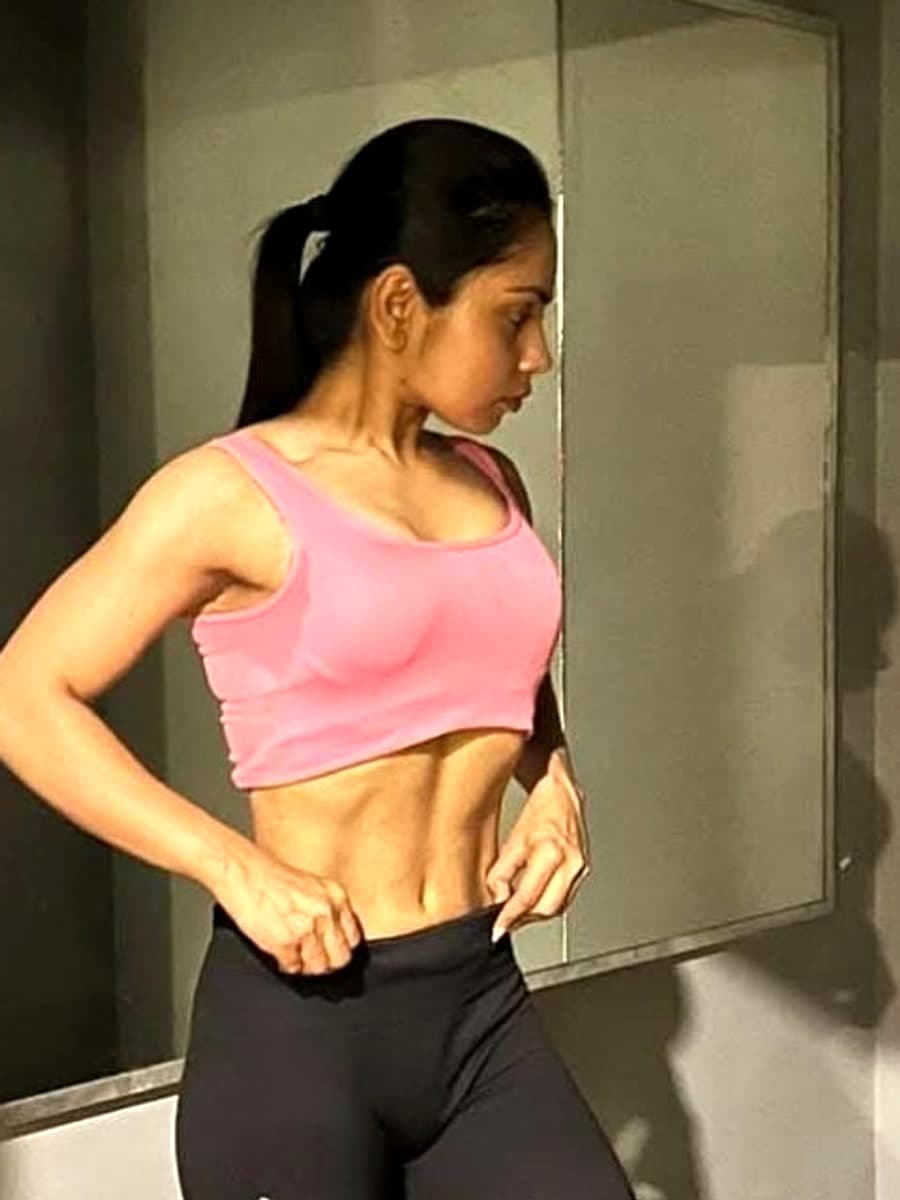
Tanmanna
Women's Strength & Conditioning Coach
ACE Certified Strength & Conditioning
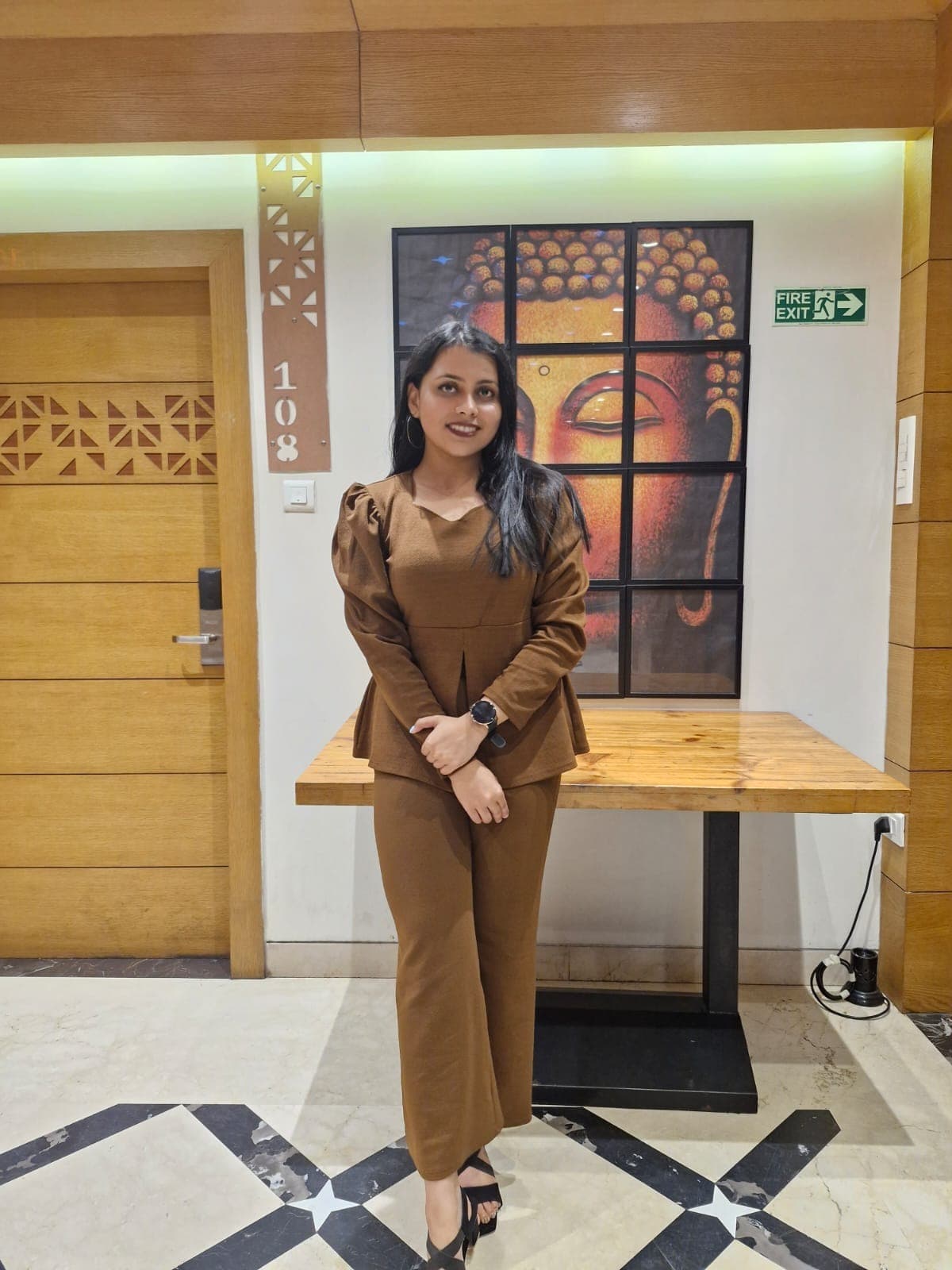
Priyanka Dey
Clinical Nutritionist
M.Sc Clinical Nutrition and Dietetics (Bangalore University)
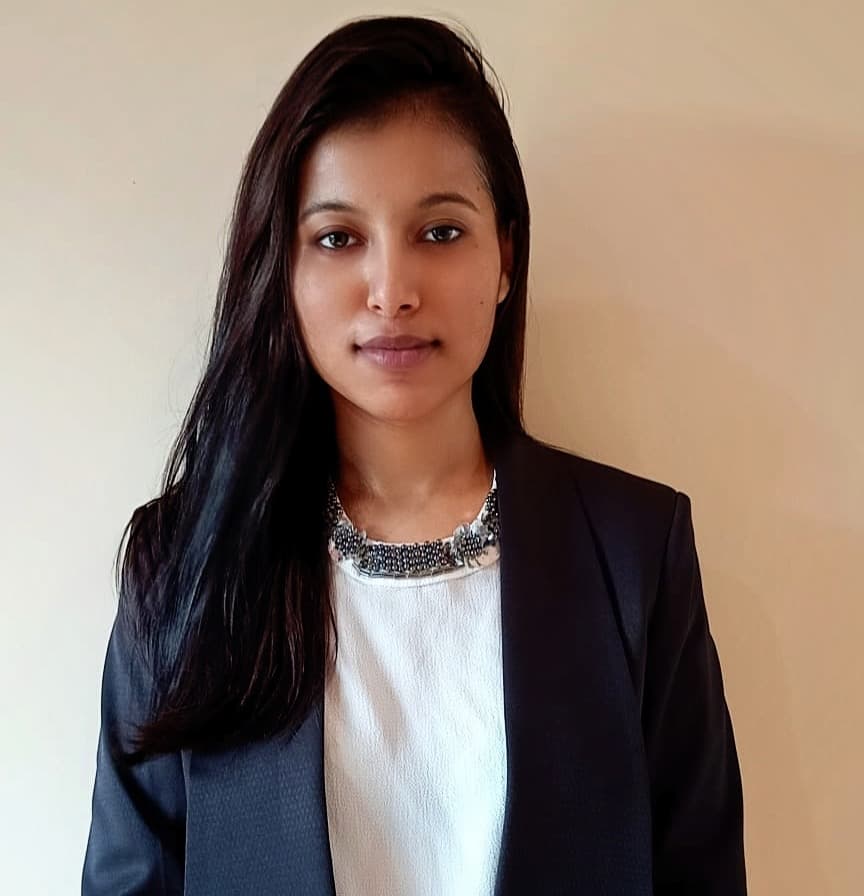
Nancy
Transformation Coach
Nutrition Specialist · PCOS Fitness Specialist
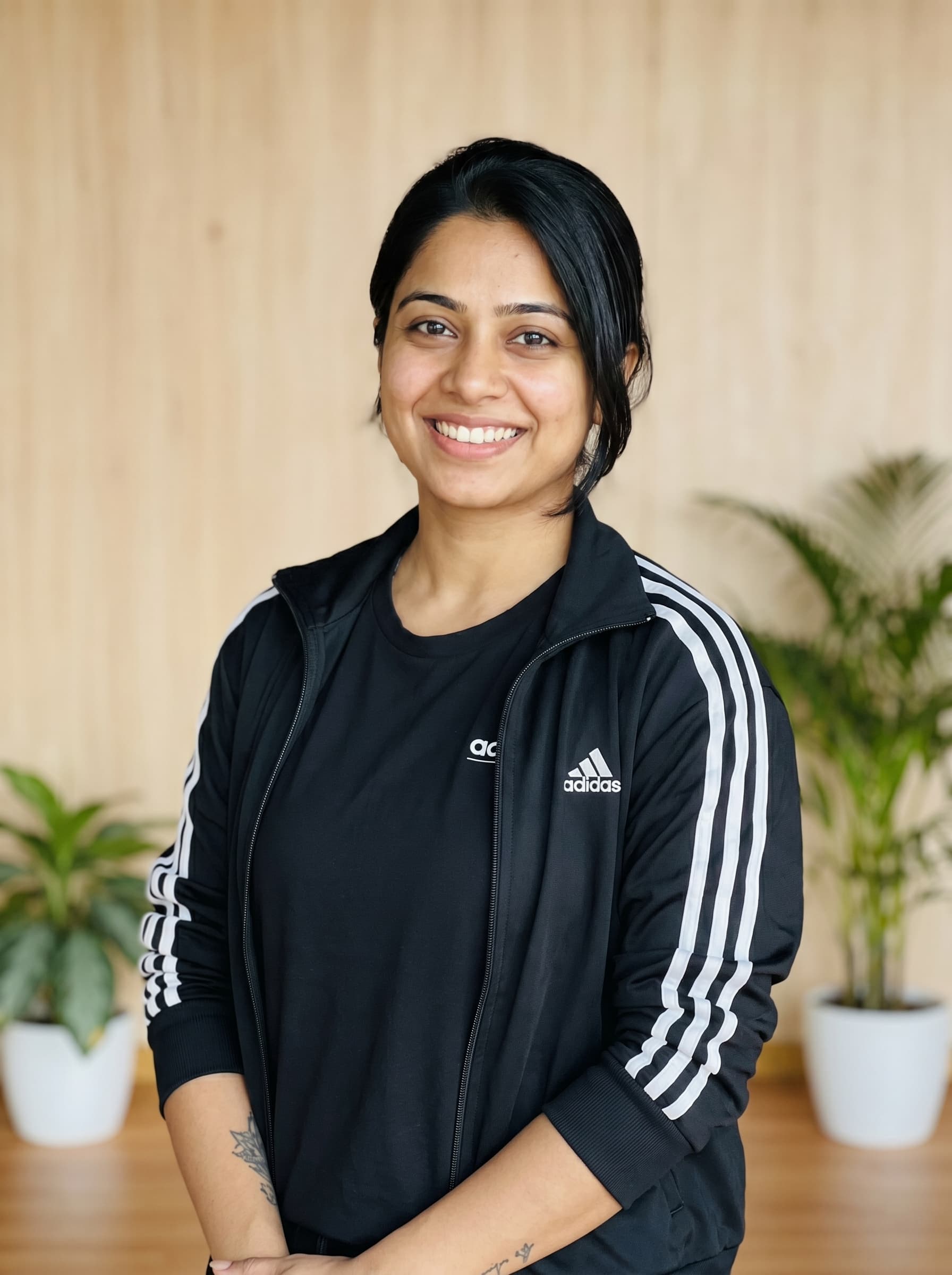
Aditi
Yoga and Strength Coach
Certified Personal Trainer · Strength & Conditioning Specialist
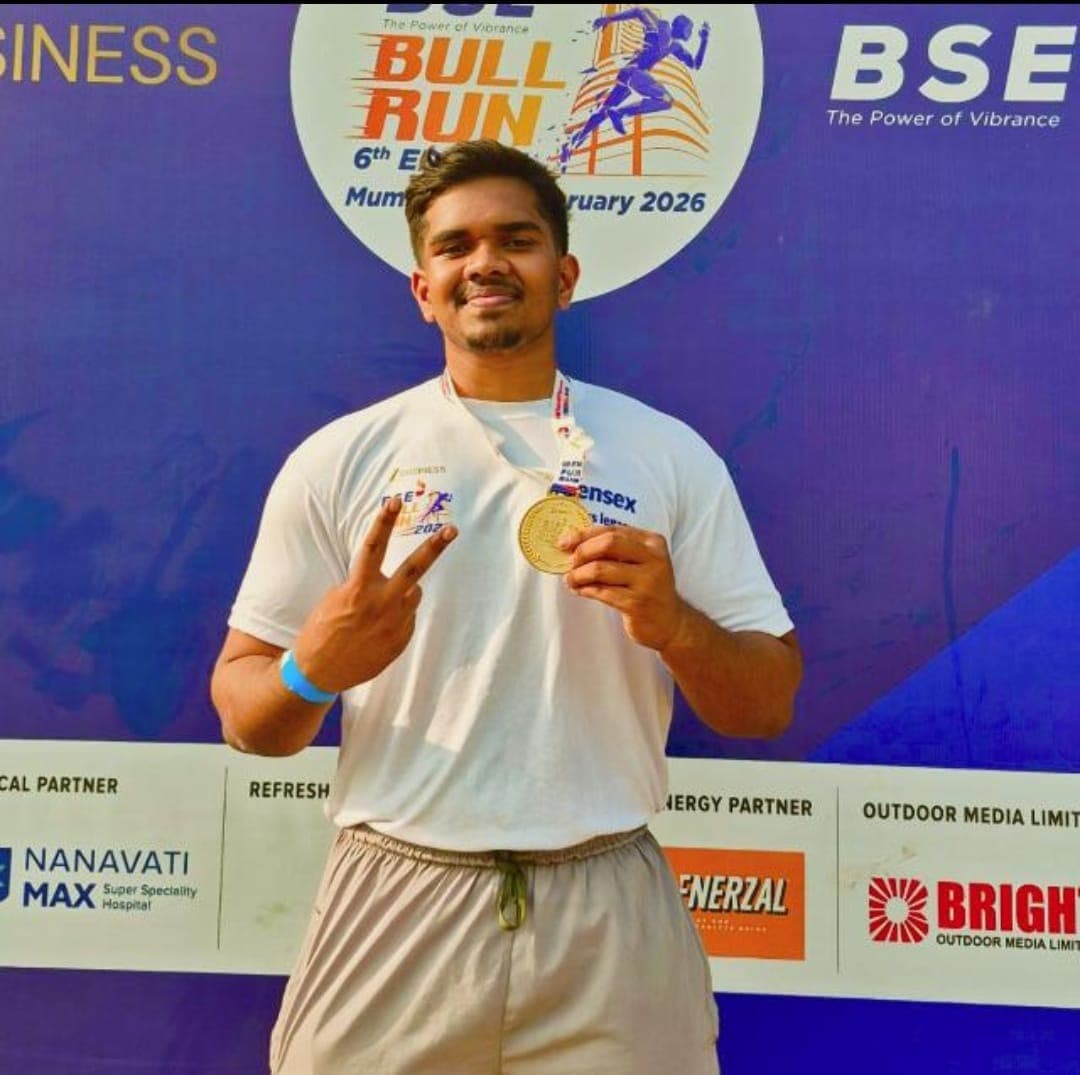
Vivek
Strength & Conditioning Coach
ACE Certified Personal Trainer
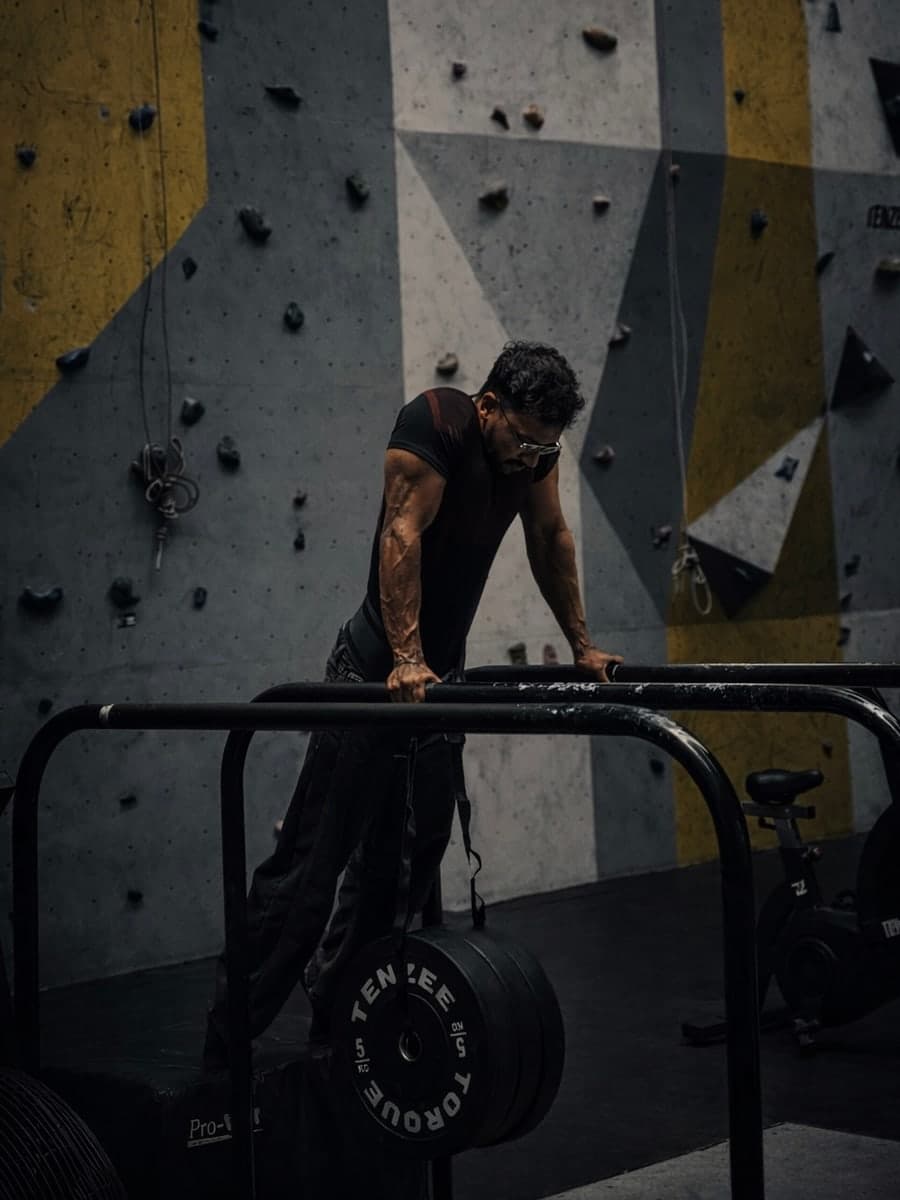
Animesh
Strength & Conditioning Coach
Strength & Conditioning (K11)
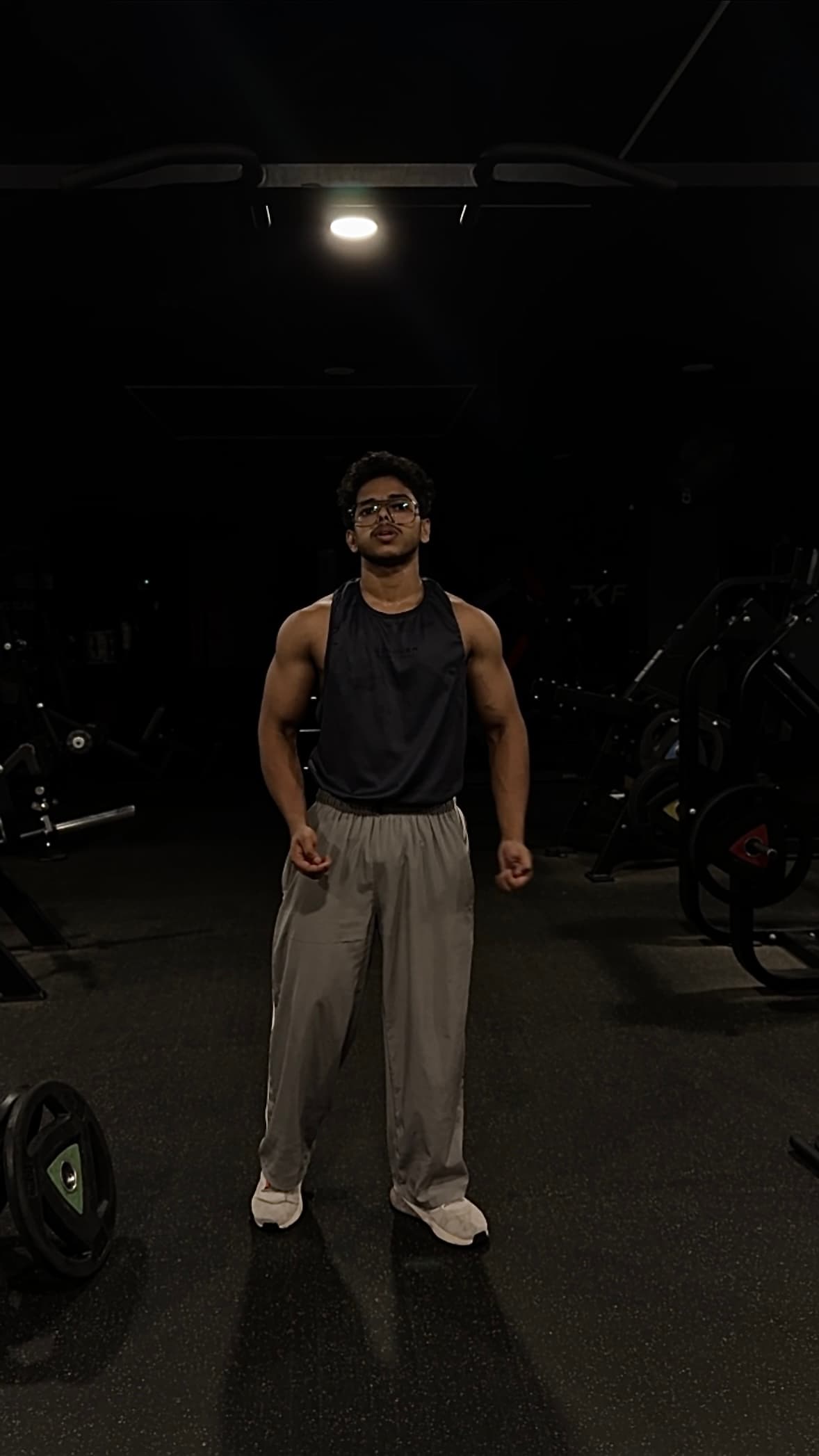
Gokul
Strength & Conditioning Coach
Certified Strength & Conditioning Specialist (CSCS) (NSCA)

Anish Agarwal
Founder & Head Coach
NASM Certified Personal Trainer · K11 Certified Fitness Trainer
How it starts
Step 1
Free 30-minute call
Talk to a certified coach about your goals, your health and your week. The call is free.
Step 2
Your plan
Training and an Indian food plan, built around the groceries where you live.
Step 3
1-on-1 video sessions
Coaches cover every time slot. Pick any time that suits you in your US time zone.
Step 4
Weekly review
Your coach checks your progress, food photos and energy, then adjusts the plan.
Free 30-minute call with a certified coach.
Real Women, Real Results
Real members abroad, recorded on real calls in their own living rooms. No studio, no filters.
Swipe to explore
1 / 3
Questions
Common questions
What is PCOS / PCOD and how does training help?
PCOS (Polycystic Ovary Syndrome) and PCOD (Polycystic Ovarian Disease) are the older names for a hormone condition that can affect insulin sensitivity, weight, cycle regularity, skin and mood. The Endocrine Society now calls it PMOS (see the question on the new name). Training is one part of managing it. The 2023 international PCOS guideline recommends regular activity plus muscle strengthening on 2 non-consecutive days 2. For weight, aerobic exercise gave the largest loss in a 2024 network meta-analysis 3. Your endocrinologist or gynaecologist stays in charge of diagnosis and treatment.
Can a female coach help with PCOS management?
Some women prefer a female coach for conversations about cycles, fertility and body image. Female coaches are available on request, and you can ask for one at the free discovery call. Whoever coaches you, the plan is built around your cycle, your food and your schedule.
How is PCOS training different from regular weight loss training?
We plan around the pattern of your PCOS: cycle, food, sleep and energy, rather than a calorie target alone. Strength training builds muscle and daily function. Walking and aerobic work support weight loss. We do not use crash diets. Indian staples such as dal, chana, paneer and vegetables are the base of the food plan, with smaller portions of white rice and roti where they fit your goal.
I'm an Indian-American with PCOS. Will nutrition work around Patel Brothers?
Yes. We plan food around what you actually buy: masoor, moong and chana dal, paneer and dahi from an Indian grocery store, and eggs, frozen vegetables, Greek yogurt and oats from Costco, Trader Joe's or Whole Foods. We do not give a generic chicken breast plan. The food plan should be one you can keep up on a busy weekday.
Will this interfere with my US doctor / endocrinologist?
No, we work alongside your doctor. Our role is training and nutrition: strength and walking plans, food, sleep and routine. Your US endocrinologist or gynaecologist manages diagnosis, medication and monitoring. Your doctor stays in charge of your medication. We can send your doctor a short summary of your training and food notes if you want us to.
Can I train during my period?
Yes. We adjust the plan around your cycle and how you feel. On heavy-flow days the plan is a walk, mobility work or rest, with no forced session. On other days we match the load to your energy, and your coach checks in each week. We do not quote a fixed cycle template, because cycles differ from person to person.
Can I keep dal, roti and rice with PCOS?
Yes. Most women keep the Indian meals they already eat. The plan sets the portion of rice or roti, and adds protein and fibre to each plate: dal, paneer, curd, eggs or chicken, with sabzi. Your doctor stays in charge of your PCOS diagnosis and any medicine, so check any big diet change with them first.
How quickly will I see PCOS improvements?
We do not give a timeline up front, because it depends on your condition and your starting point. Energy, sleep and how training feels usually show change first. Cycle changes and blood test results take longer, and we track them with your gynaecologist. We also measure waist size and strength, not only the scale.
Is this safe if I'm trying to conceive?
If you are trying to conceive, tell us at the discovery call. We plan training and food with your fertility doctor in view. We do not give fertility advice and we do not replace fertility treatment. Your fertility doctor decides on any treatment, and we adjust training around the plan they set.
I've tried every US diet and trainer. Why is this different?
The difference is the starting point. We look at your cycle pattern, your food and your week before we set training. Then we build a plan around Indian food you already eat, with the cycle and family meals in view. If a plan does not fit your week, we change the plan, not you.
What if I have PCOS + thyroid / diabetes / PCOS + vitamin D deficiency?
Some women with PCOS also have a second condition. We can plan training and food around thyroid problems, pre-diabetes, fatty liver or a low vitamin D result, as long as your doctor manages the medical side. Thyroid medicine is a doctor's decision: the American Thyroid Association task force concluded that levothyroxine should remain the standard of care for hypothyroidism 5. Bring your latest results to the discovery call.
PCOS has been renamed PMOS. Why does that matter for how I train in the US?
On 12 May 2026 the Endocrine Society and more than 50 patient and professional organisations announced the new name, Polyendocrine Metabolic Ovarian Syndrome (PMOS). The announcement says the old name suggested the condition was all about ovarian cysts, and it describes PMOS as a condition with hormone fluctuations and effects on weight, metabolism, mental health, skin and the reproductive system 1. For training, that means we plan around hormones and metabolism, not only the ovaries. Your US endocrinologist or gynaecologist still manages medication and monitoring.
How common is insulin resistance among women in the US who ask for coaching?
In a sample of coaching questionnaires (Jun to Sep 2026), 32% of women in the US ticked insulin resistance or pre-diabetes, and 24% ticked PCOS. It is self-reported.
Evidence
Sources
- The Endocrine Society, news room (2026). PCOS is renamed PMOS: Polyendocrine Metabolic Ovarian Syndrome (announcement of 12 May 2026).
- Journal of Clinical Endocrinology and Metabolism (2023). Recommendations from the 2023 international evidence-based guideline for the assessment and management of polycystic ovary syndrome.
- Wang H, et al. Frontiers in Endocrinology (2024). Comparative efficacy of exercise training modes on systemic metabolic health in adults with overweight and obesity.
- ICMR-INDIAB collaborative study group, Lancet Diabetes and Endocrinology (2023). Metabolic non-communicable disease health report of India: the ICMR-INDIAB national cross-sectional study (ICMR-INDIAB-17).
- Jonklaas J, et al. Thyroid (2014). Guidelines for the treatment of hypothyroidism: prepared by the American Thyroid Association task force on thyroid hormone replacement.
Keep reading
Related pages
Ready to start?
Tell us where you are, and a coach builds the plan around your schedule and your food.
Start Your JourneyNot ready for coaching yet?