Fatty Liver (NAFLD) Reversal: An Indian Diet & Lifestyle Guide
Non-alcoholic fatty liver disease (NAFLD/MASLD) is reversible in early stages. Learn the diet changes, exercise plan, and 12-week strategy to reverse liver fat through weight loss, whole foods, and consistent training—tailored for Indians and NRIs.
⚠ Lifestyle coaching information only. Non-alcoholic fatty liver disease (NAFLD, also called MASLD) is reversible through lifestyle changes in early stages, but requires medical monitoring. Consult your hepatologist or doctor before making major diet or supplement changes, especially if you have diagnosed liver disease, high liver enzymes, or are taking medications.
Quick answer: Fatty liver disease (NAFLD/MASLD) is extremely common in India and among Indians abroad, especially in those with the thin-fat body type, pre-diabetes, and belly fat. The good news is that in early stages, it is largely reversible—there is no miracle "liver detox" pill or tea that fixes it. The most effective approach is losing 7–10 percent of your body weight gradually through diet and exercise. The key diet changes: eliminate added sugars, sugar-sweetened drinks, refined carbs (maida, white bread, excess white rice), and deep-fried foods; eat more vegetables, whole grains, lean protein, and healthy fats; practice portion control with rice and roti; limit or avoid alcohol; and include a little moderate coffee, which may help liver enzymes. Add strength training to build muscle and regular walking or cardio. Pair this with your doctor's monitoring of liver enzymes (ALT, AST) every 3–6 months.
Fatty Liver Reversal Essentials
What Is Fatty Liver Disease and Why It Happens in India
Non-alcoholic fatty liver disease (NAFLD), now also called Metabolic dysfunction-Associated Fatty Liver Disease (MASLD), is a condition where excess fat accumulates in the liver without alcohol being the cause. Your liver is supposed to store a small amount of fat (up to 5 percent); fatty liver disease means 5 percent or more of your liver's weight is fat. In early stages, you likely have no symptoms—no pain, no jaundice, nothing. You only discover it when a doctor orders an ultrasound or blood work shows elevated liver enzymes (ALT, AST).
Why is it so common in India and among Indians abroad? Several reasons:
- The thin-fat phenotype: Many Indians have low muscle mass but high visceral (belly) fat, even if they appear lean. This fat around organs, including the liver, drives inflammation and fatty liver.
- Refined carbs: White rice, maida (refined flour), white bread, and sugary drinks are dietary staples for many. These spike blood sugar and insulin, driving fat storage in the liver.
- Sedentary lifestyle: Desk jobs, long commutes, and limited gym culture mean many Indians (especially NRIs) move less than they should.
- Sugar and processed foods: Sweetened packaged snacks, sugary chai, soft drinks, and desserts are consumed daily, overloading the liver with fructose.
- Genetics: Some studies suggest Indians and South Asians have a genetic predisposition to fatty liver disease, independent of obesity.
Early-stage fatty liver (simple steatosis) is reversible. But if left untreated, it can progress to non-alcoholic fatty liver hepatitis (NASH)—inflammation and damage—and eventually cirrhosis, liver failure, or liver cancer. The window to reverse it is now, in the early stages.
The Diet Changes That Actually Reverse Fatty Liver
Research consistently shows that losing 7–10 percent of your body weight through diet can reduce liver fat significantly in 3–6 months. You don't need to become skinny; you just need to lose fat strategically.
What to Cut Out Completely (or Nearly)
Added sugars and sugar-sweetened beverages: This is the #1 culprit. Sugary drinks—soft drinks, packaged fruit juices, sweetened tea, energy drinks, sugary lassi—are liquid fructose that bypasses your stomach and goes straight to your liver, where it becomes fat. Cut them. Switch to water, unsweetened tea, or black coffee.
Refined carbs (maida, white bread, white rice): These break down quickly into glucose, spiking insulin and fat storage. They also cause hunger and energy crashes an hour later, making you eat more. Replace white rice with brown rice, basmati, or millet (jowar, bajra); swap maida roti for whole wheat; choose whole grain bread.
Fried and deep-fried foods: Samosas, pakoras, fried chips, bhajiya, fried chicken—deep frying adds massive calories and inflammatory oils. These drive up belly fat and liver fat. Limit to once a week maximum, in small portions. Grill, bake, or air-fry instead.
Ultra-processed snacks: Packaged biscuits, instant noodles, ready-to-eat meals loaded with oil and sodium. These are calorie-dense, nutrient-empty, and drive inflammation.
| Foods to Eat (Liver-Friendly) | Foods to Limit (Liver-Stressors) |
|---|---|
| Vegetables (all): spinach, broccoli, cauliflower, carrots, bell peppers, tomatoes, cucumber, leafy greens | Sugary drinks: soft drinks, packaged juice, sweetened lassi, energy drinks, sugary chai |
| Whole grains: brown rice, whole wheat roti, oats, millets, quinoa, barley | Refined carbs: white rice, maida roti/bread, white bread, instant noodles |
| Lean protein: chicken breast, fish, eggs, dal, paneer (small portions), legumes | Fried foods: samosas, pakoras, fried chips, bhajiya, fried chicken, fried snacks |
| Healthy fats: olive oil (1–2 tsp per meal), nuts (small handful), avocado, seeds | Sugar/desserts: packaged sweets, candy, sugary pastries, ice cream, sweetened condensed milk |
| Fruits: berries, apples, oranges, guava (whole fruit, not juice) | Ultra-processed: packaged biscuits, instant noodles, ready-to-eat meals |
| Beverages: water, black coffee, unsweetened tea, green tea | Alcohol: beer, wine, spirits (avoid entirely or limit to rare occasions) |
Key Dietary Habits for Liver Reversal
Control portions of rice and roti. Rice and roti are not evil, but portions matter. A typical serving is about 1 cup cooked rice or 2–3 medium rotis per meal. Measure it for a week to see where you stand. Many people unknowingly eat 2–3 cups of rice per sitting, which is 200–300 calories of pure carbs—more than enough to drive weight gain and liver fat. Eat whole grain versions and keep portions to 1–1.5 cups cooked per meal.
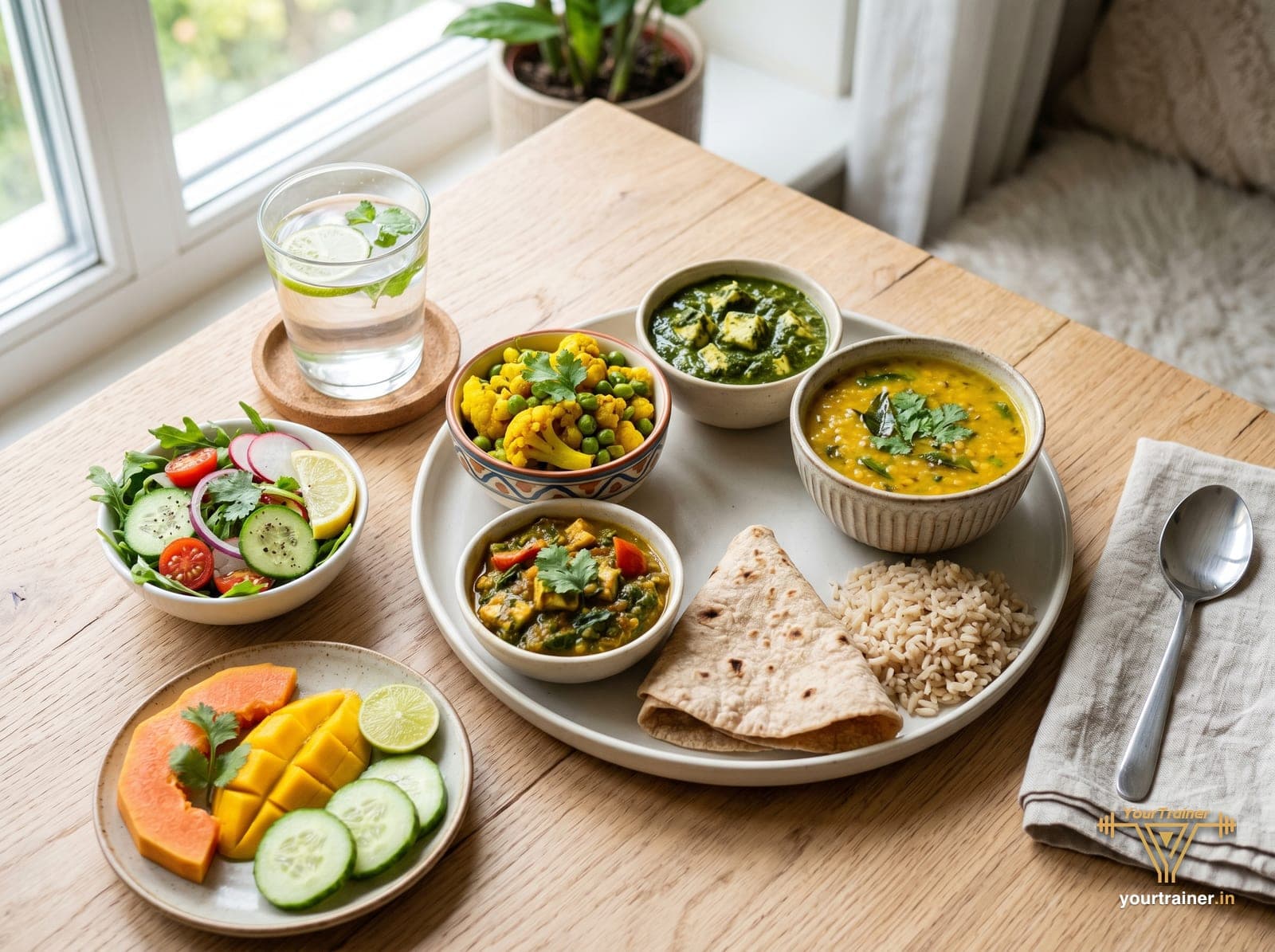
Add protein to every meal. Protein builds muscle (which burns fat), keeps you full, and has a high thermic effect (you burn calories digesting it). Aim for 25–30 g per meal. Examples: 3–4 oz grilled chicken, 3 eggs, 1 cup cooked dal with a small piece of paneer, 150 g fish, Greek yogurt with berries.
Load your plate with vegetables. Fill half your plate with non-starchy vegetables—spinach, broccoli, cauliflower, bell peppers, tomatoes, cucumber, leafy greens. They are high in fiber, micronutrients, and water; low in calories. You can eat large portions without gaining weight.
Use healthy fats sparingly. Olive oil, seeds, nuts are good but calorie-dense. 1 teaspoon of oil is about 40 calories. Use 1–2 tsp per meal for cooking or dressing. Avoid ghee and butter for now; they are saturated fat and can worsen liver fat.
Avoid alcohol or limit it severely. Alcohol is processed by the liver and can worsen fatty liver, even small amounts. If you drink, limit to 1–2 drinks per week maximum, and pair with food. Better yet, avoid it entirely for the next 3–6 months while you reverse your liver fat.
Coffee is actually helpful: Several studies show that moderate coffee consumption (2–4 cups per day) is associated with better liver health and lower risk of liver disease progression. Black coffee or coffee with a splash of milk is fine. Avoid high-sugar coffee drinks (frappuccinos, sugary lattes).
Exercise: Building Muscle to Burn Liver Fat
Diet alone can reverse fatty liver, but adding exercise accelerates it dramatically. Here's why:
Strength training (3–4 days per week): Building muscle increases your metabolic rate—your body burns more calories even at rest. Muscle also absorbs glucose and fatty acids, reducing what the liver stores. Push-ups, weights, resistance bands, or bodyweight circuits are all effective. Aim for 30–45 minutes per session.
Cardio or walking (4–5 days per week): 30–45 minutes of brisk walking, jogging, cycling, or swimming burns calories and improves insulin sensitivity. This directly reduces liver fat. Walking is accessible for everyone; if you have no gym, a 45-minute daily walk is extremely effective.
Consistency beats intensity: You don't need to crush yourself in the gym. Consistent, moderate exercise (strength 3x per week + walking 4–5x per week) over 3–6 months will reverse fatty liver more reliably than sporadic intense workouts.
What About Supplements and Detox Teas?
You will find marketing for "liver detox teas," milk thistle, NAC, berberine, and other supplements claiming to cure fatty liver. Here's the truth: there is no supplement that reverses fatty liver on its own. Some show promise in research (like vitamin E or pioglitazone, a diabetes drug), but they work best alongside weight loss and lifestyle changes—not as replacements.
Milk thistle: Limited evidence. It may reduce inflammation slightly, but won't reverse liver fat without diet and exercise.
Detox teas: Mostly marketing. Your body has a liver to detoxify you; no tea is more powerful than that. Save your money.
Turmeric/curcumin: Anti-inflammatory, but in small food amounts (like a pinch in curry), it's not a medicine. High-dose supplements lack strong evidence for fatty liver specifically.
Instead of chasing supplements, focus on the proven levers: losing 7–10 percent of body weight through a low-sugar, whole-food diet and consistent exercise. That's the prescription that works.
A Practical 12-Week Plan
Month 1: Foundation
- Eliminate all sugary drinks. Switch to water, black coffee, unsweetened tea.
- Cut fried foods to once per week or none.
- Measure your portions of rice/roti for one week to see your baseline.
- Start walking 30 minutes daily, 5 days a week.
- Get a baseline ultrasound and liver enzyme test (ALT, AST, GGT) from your doctor.
Month 2: Deepen Changes
- Reduce rice/roti portions to 1–1.5 cups cooked per meal. Swap white for whole grain.
- Add 25–30 g protein to every meal.
- Fill half your plate with vegetables at lunch and dinner.
- Start strength training 3 days per week (30–45 min). Use weights, resistance bands, or bodyweight.
- Increase walking to 5–6 days per week, 40–45 minutes.
Month 3: Sustain and Monitor
- Lock in the diet and exercise habits above.
- Aim for a 2–3 lb weight loss per week (7–10 percent body weight goal = slow, sustainable loss).
- Retest liver enzymes and ultrasound. Many people see significant improvement in liver fat by this point.
- Adjust based on results. If you're not losing weight, trim calories slightly (reduce rice/roti further, cut snacks, or extend cardio).
For NRIs: Adapting to Your Time Zone and Food Environment
If you're living abroad, adapting is straightforward:
- Grocery shopping: Buy frozen vegetables, canned legumes, brown rice, whole grain bread from regular supermarkets. Indian grocers also stock whole wheat atta, millets, and dry dal.
- Cooking: Prepare grilled chicken, baked fish, roasted vegetables at home. Avoid takeout; restaurant food is typically high-calorie, high-oil.
- Social eating: When eating out or at Indian restaurants, order grilled or steamed items; ask for no ghee or oil on vegetables; request brown rice or whole wheat roti; skip dessert or share a small portion with others.
- Meal prep: Cook chicken, dal, and roasted vegetables in bulk on weekends. This makes weekday meals quick and avoids temptation to eat out or order delivery.
When to Expect Results
Fatty liver reversal isn't dramatic overnight, but it's real:
- 4–8 weeks: Energy improves, clothes fit better, bloating decreases. Liver enzymes (ALT, AST) may start declining.
- 8–12 weeks: Ultrasound often shows visible reduction in liver fat. Liver enzymes normalize for many people. Weight loss of 7–10 percent becomes tangible (5–9 kg for a 70 kg person).
- 3–6 months: For most people with early-stage fatty liver (simple steatosis), this is enough time to reverse it completely, confirmed by ultrasound and normal liver enzymes.
If you have advanced fatty liver (NASH with inflammation) or cirrhosis, reversal takes longer and requires close medical supervision. But even then, diet and exercise improvements reduce inflammation and slow progression.
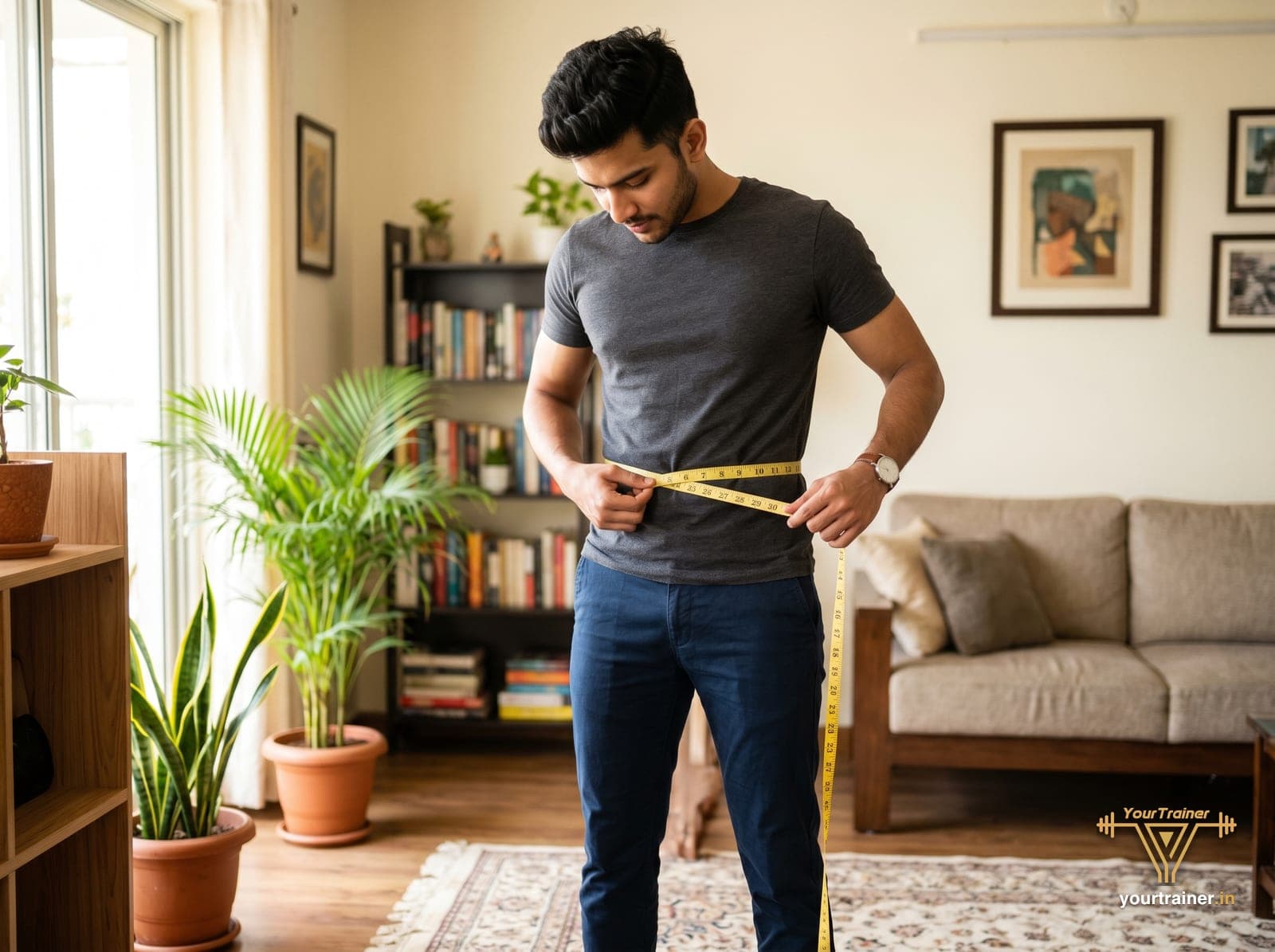
Track your progress: Take photos and measurements now. In 12 weeks, you'll see the difference. Also, ask your doctor for liver enzyme tests and ultrasounds at baseline, 6 weeks, and 12 weeks. Seeing your ALT/AST drop and liver fat shrink on imaging is the most motivating confirmation that your diet and exercise are working.
Your Next Step
Fatty liver disease is reversible, but only through consistent diet and lifestyle changes—no pill, tea, or supplement can do it alone. If you're ready to take control, start today: cut sugary drinks, reduce fried food, eat more vegetables and protein, exercise consistently, and monitor with your doctor.
Managing lifestyle change alone can be overwhelming, especially when you're balancing work, family, and habits. If you're an Indian or NRI struggling with fatty liver, pre-diabetes, or the thin-fat body type, our online diabetes and metabolic health coaching program is designed for you. We build personalized nutrition and fitness plans that account for your food culture, schedule, and goals. Learn more in our guide to reversing the thin-fat phenotype and preventing diabetes in South Asians.
Ready to transform your health and reverse your fatty liver? Start your free discovery call with Coach Anish today—we'll discuss your liver health, design a practical plan, and show you exactly how to reverse fatty liver in the next 3–6 months.
Did you find this helpful?

About Anish Agarwal
Founder & Head Coach, YourTrainer · NASM & K11 Certified Personal Trainer · 6+ years experience
Anish Agarwal is a NASM and K11 certified personal trainer with 6+ years of experience coaching fat loss, body transformation, strength, and nutrition for clients across India. He founded YourTrainer to make expert, science-based coaching accessible online and in Bengaluru. More about Anish.
Ready to Transform?
Get personalized training and nutrition guidance tailored to your goals. Free 30-minute consultation, no obligation.