
1-on-1 Video Coaching · For Indian Women · Female Coaches on Request
Updated
Online Hormonal Weight Gain Coach for Indian Women in the USA
Hormone-aware strength training and Indian food for Indian-American women managing weight gain linked to PCOS, thyroid, insulin resistance, stress or perimenopause.
As a weight gain trainer for Indian-American women, we start with your health history, not a diet. Your coach in India meets you on a 1-on-1 video call at a time that suits your US clock. We go through your symptoms and your week, then build training and food around them. Your doctor keeps charge of diagnosis and medication, and we work alongside that care. Book the free discovery call to talk through your situation.
Your clock
Any time that suits your US day
Coaches cover every time slot, so you pick the hour that suits you. One example: a 7 to 9 PM India session is 8:30 to 10:30 AM on US Eastern time in winter (1 November 2026 to 14 March 2027), in New York, New Jersey or Columbus, Ohio. Sessions are 1-on-1 video calls, so no gym visit is needed.
- 7:00 PM to 9:00 PM India time, one example slot. Coaches cover every time slot
- 8:30 AM to 10:30 AM on your clock in US Eastern time, winter (New York, New Jersey, Columbus)
- Pacific time (PST): 5:30 to 7:30 AM
- Central time (CST): 7:30 to 9:30 AM
- Eastern time (EST): 8:30 to 10:30 AM
- From 14 March 2027 (US daylight time), add one hour to each US time.
Who this is for
A weight gain coach for women with hormone-linked weight gain
Who it suits
- Women with PCOS, thyroid problems or insulin resistance who are gaining weight or cannot lose it
- Women whose weight rises with stress, poor sleep or a heavy work schedule
- Women in their 40s and 50s with perimenopause changes around the hips and belly
- Women who want a coach to plan food and training alongside their doctor's care
Why the usual plan has not worked
- A calorie count alone does not show the sleep, stress or cycle pattern behind the weight
- Generic plans do not use Indian staples such as dal, roti, paneer and dahi, or the way they are cooked
- Weight gain despite exercise can have more than one cause, so more cardio alone may not be the answer
- A medical visit covers tests and medicine. The food, sleep and training around them usually need a separate plan
Our data
What women in the US tell us they are working on
Share of women in the USA who answered our coaching questionnaire, 22 June to 17 September 2026. We report percentages only, from the people who filled in the form.
Goals are self-picked from a list, so one person can pick more than one.
Clinical context
What the research says about weight and hormones
Insulin resistance and prediabetes are common in India. In the ICMR-INDIAB-17 national survey, 15.3% of Indian adults had prediabetes and 11.4% had diabetes 1. Insulin resistance is measured with blood tests, so your doctor is the one who confirms it.
Weight change can change blood sugar. In the DiRECT trial in primary care, 46% of people with type 2 diabetes were in remission at 12 months, against 4% in usual care. None of the 76 participants who gained weight were in remission 2.
The type of exercise changes the result. In a 2024 network meta-analysis of adults with overweight or obesity, aerobic exercise gave the largest weight loss, and high-intensity interval training gave the largest reductions in body fat percentage and waist size 3. We use walking and aerobic work for weight, and strength work for muscle and daily function.
The 2023 international PCOS guideline sets out the adult activity advice of 75 to 150 minutes of vigorous activity a week, or an equivalent mix, plus muscle-strengthening on 2 non-consecutive days 4.
Thyroid medicine is a doctor's decision. The American Thyroid Association task force concluded that levothyroxine should remain the standard of care for hypothyroidism, and that its guidance does not replace individual clinical judgment 5.
Hormone therapy in midlife is also individual. The North American Menopause Society says treatment should be individualised using the best available evidence, with periodic review of benefits and risks 6.
Coach tip: protein at breakfast is the habit we check first. In the food logs from 19 April to 17 September 2026, the median logged breakfast had 24.6 g of protein, lunch 23 g, dinner 29 g and snacks 13 g.
We have not cited a study for cortisol, belly fat or sleep numbers on this page, so we do not quote any. We look at the pattern with you, and a cortisol test is for your doctor to order.
Local food
Where to shop and eat in the USA, and what to pick
If you do not have an Indian grocery store nearby, the chain supermarkets and warehouse stores below cover the same staples.
| Where | What to pick | What to swap |
|---|---|---|
| Indian grocery stores (Patel Brothers and similar chains) | Plain dahi, masoor or moong dal, frozen methi, paneer in 50 to 100 g portions | Sweet namkeen and fried snacks for roasted chana |
| Trader Joe's or Whole Foods | Frozen chicken breast, pre-cut vegetables, plain Greek yogurt, eggs | Flavoured yogurt and granola for plain yogurt with fruit |
| Costco | Eggs in bulk, frozen vegetables, rotisserie chicken with the skin removed | Large bread-based sandwiches for a bowl with vegetables and protein |
| Chipotle or a similar burrito bowl | Bowl with chicken or black beans, fajita vegetables, half the rice | Chips and a large sour cream portion for a side salad |
| Indian restaurant (tandoori, dal, sabzi) | Tandoori chicken, dal, one vegetable sabzi, one roti or half a cup of rice | Butter naan and a rich curry for one roti and a cucumber onion salad |
Portions from our app's food database, cooked: 1 cup of rice is about 206 kcal and 4 g protein. 1.5 rotis are about 156 kcal and 4.5 g protein. 1 bowl of dal is about 150 kcal and 9 g protein. 50 g paneer is about 133 kcal and 9 g protein. 100 g dahi is about 61 kcal and 4 g protein. 2 boiled eggs are about 156 kcal and 13 g protein. 150 g chicken breast is about 248 kcal and 46.5 g protein.
Food logs, 19 April to 13 October 2026.
Sample week
What a week can look like on your clock
An example week on US Eastern time. Coaches cover every time slot, so your coach sets the real week with you, around your work hours.
Your days, your times. You pick the days and the hours, in your own time zone, and a session can move when your week changes.
See the week day by day
- MonStrength and conditioningWith your coach at 9:00 AM Eastern. Protein at every meal.
- TueActive recoveryA 30 minute brisk walk after lunch. Log your meals in the app.
- WedStrength and conditioningSecond session at 9:30 AM Eastern. Dal and roti for dinner.
- ThuActive recoveryA 20 minute walk after dinner, or a sport you enjoy. Lights low and screens off for the last 30 minutes before bed.
- FriHIITIntervals with your coach at 8:30 AM Eastern, scaled to your energy and your cycle that week.
- SatNutrition callWeekly call with your nutritionist at a time that suits you. Bring your food log and sleep notes. Shop for the week's dal, eggs and vegetables.
- SunRestFull rest. A gentle walk or stretching only.
Sessions fall on alternate days, so your muscles get a day to recover in between.
How it works
How a weight gain coach works with you in the first weeks
Your first four weeks set the baseline for every number we track later. In the one-to-one sessions we reviewed as case studies, travel or jet lag came up in 19% of sessions and was the most common reason for a missed session.
The first four weeks
- Health history: symptoms, cycle or menopause pattern, sleep, stress, past attempts, and any tests your doctor has run.
- Two weeks of food logs. We look at protein per meal and when most of the food is eaten, not at a calorie target.
- Strength sessions set around your schedule, with the first two weeks used to learn the movements.
- A weekly check-in to see what changed and what to adjust. We keep the next week simple.
What a coach checks on video
- Knees track over the middle of the foot in squats and lunges
- A flat back and a hip hinge in deadlifts and rows
- Breathing out on the effort, and control on the way down
- Load that rises only when the last set was clean
- Sessions shortened, not skipped, in heavy work weeks
How we coach
How your coach runs a session
- Form corrected as you moveYour coach watches every rep on video and fixes your position in real time.About 10 corrections in a typical session
- Shown first, then you tryThe coach demonstrates the movement on camera, then watches you do it.67% of sessions
- Every rep counted with youYour coach counts the reps aloud and pushes you through the last ones.Every session we reviewed
- Mobility to startJoints and spine warmed up before any load goes on.At least 82% of sessions
- Stretching to finishSessions close with stretches for the muscles you trained.At least 84% of sessions
- Knowledge you keepThe coach explains why each exercise and cue matters, so you can train well on your own.About 2 in 3 sessions
- Habits for the days betweenSteps, water, sleep and protein tasks, checked at your next session.Water and steps come up in about 6 in 10 sessions
Corrections, explaining why, water and steps: a sample of recorded coached sessions, 17 Aug to 21 Oct 2026. The rest: 1-on-1 sessions recorded 1 to 21 October 2026, each reviewed in full. Some recordings start after the warm-up, so the mobility and stretching shares are a floor.
“I'm not giving you the fake promise like within three months I'll make you like this.”
When progress slows
When the scale stops moving
A flat few weeks is information, not a failure. We check the food logs first for protein and meal timing, then the sleep and stress weeks, then the training load. If your weight stays flat for several weeks, we ask your doctor to check the labs before we change the plan any further.
What we look at, in this order
- Protein at each meal and whether the day starts with a meal
- Sleep and stress in the last two weeks, and any heavy work or travel
- Training: missed sessions, how the last set felt, and whether the load went up too fast
- Cycle or menopause changes, and any new medicine or supplement, shared with your doctor
Your doctor
Who decides what, in your care
Your doctor decides
- Diagnosis and the lab tests behind it
- Thyroid, PCOS and diabetes medicines, and their doses
- Whether hormone therapy is right for you
- Any change to a prescription
Your coach plans
- Strength and walking plan, with form checked on video
- Food plan built from the Indian food you already eat
- Sleep and stress routine, reviewed each week
- Progress notes you can take to your appointment
If you want, we send your doctor a short summary of your training, food and sleep notes. Your doctor stays in charge of your medication, and we never ask you to start, stop or change a medicine.
First step
What to bring to the free discovery call
The discovery call is free. It is a conversation about your history and your week, and it helps us decide whether we are the right fit. These are useful to have ready:
- Your most recent blood test results, if your doctor has run them
- Your current medicines and supplements, with doses as written on the label or prescription
- Cycle dates for the last six months, or menopause symptoms in the last six months
- A rough picture of a normal week: work hours, sleep, meals and stress
- Your time zone and the hours you can train
What you get
What is included
What is included
- 1-on-1 video sessions with your coach (female coaches available on request)
- A health assessment: symptoms, cycle or menopause pattern, energy, sleep, stress and cravings
- Strength training programmed around your schedule, with form checked on video
- Indian food plans with dal, roti, rice, paneer, dahi and eggs or chicken, built around protein at each meal
- Sleep and stress support, with a weekly look at how you slept and recovered
- Daily WhatsApp check-ins, weekly tracking and monthly progress reviews
- Coordination with your US endocrinologist or GP if you want it
What we track with you
- Energy and sleep, each week against your own starting point
- Waist size and strength numbers, alongside the scale
- Steady weight change at a pace you and your doctor are comfortable with
- Cycle regularity and symptom notes, shared with your doctor if you choose
Inside a 1-on-1 session
What training with your coach looks like
Your coach on one screen, you on the other. Short muted clips from real sessions.
Who coaches you
Certified coaches, based in India
Every coach on the team is certified. Our women's coaches lead PCOS, thyroid, postpartum and strength plans, and you can ask for a woman coach on your free call.

Tanmanna
Women's Strength & Conditioning Coach
ACE Certified Strength & Conditioning
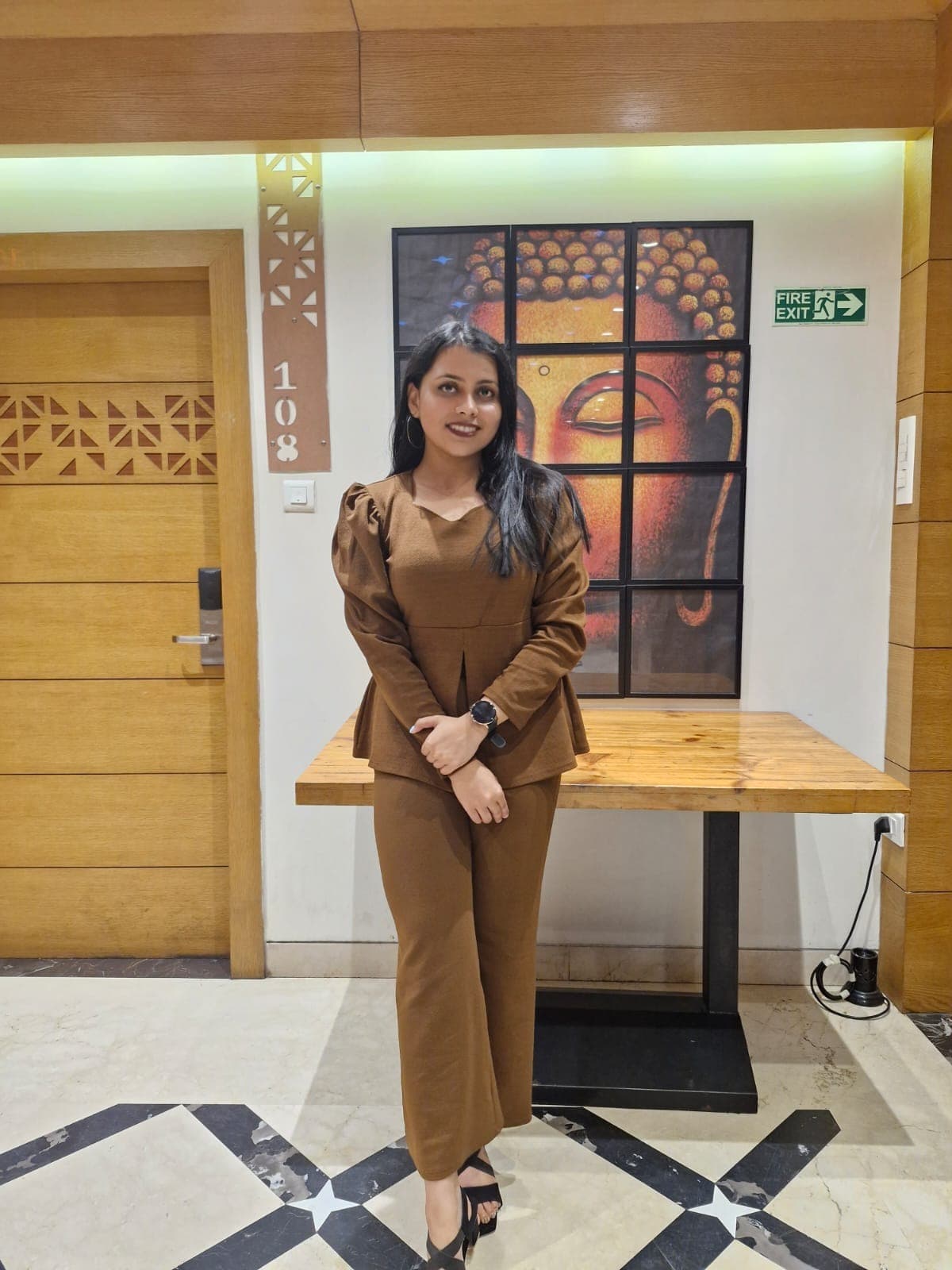
Priyanka Dey
Clinical Nutritionist
M.Sc Clinical Nutrition and Dietetics (Bangalore University)
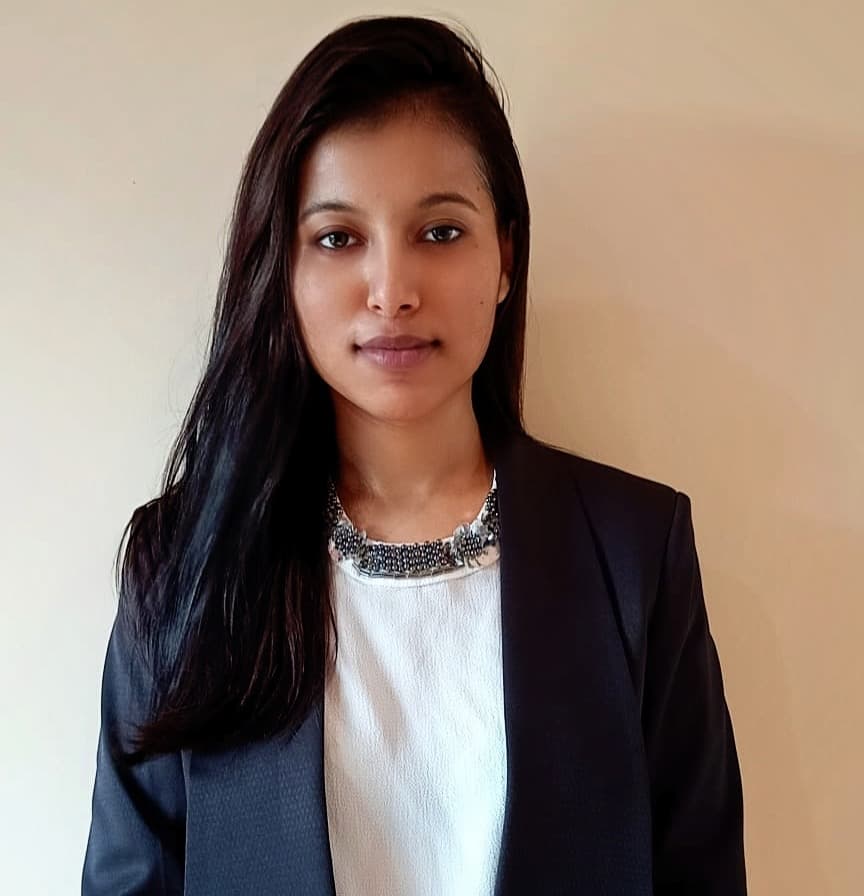
Nancy
Transformation Coach
Nutrition Specialist · PCOS Fitness Specialist
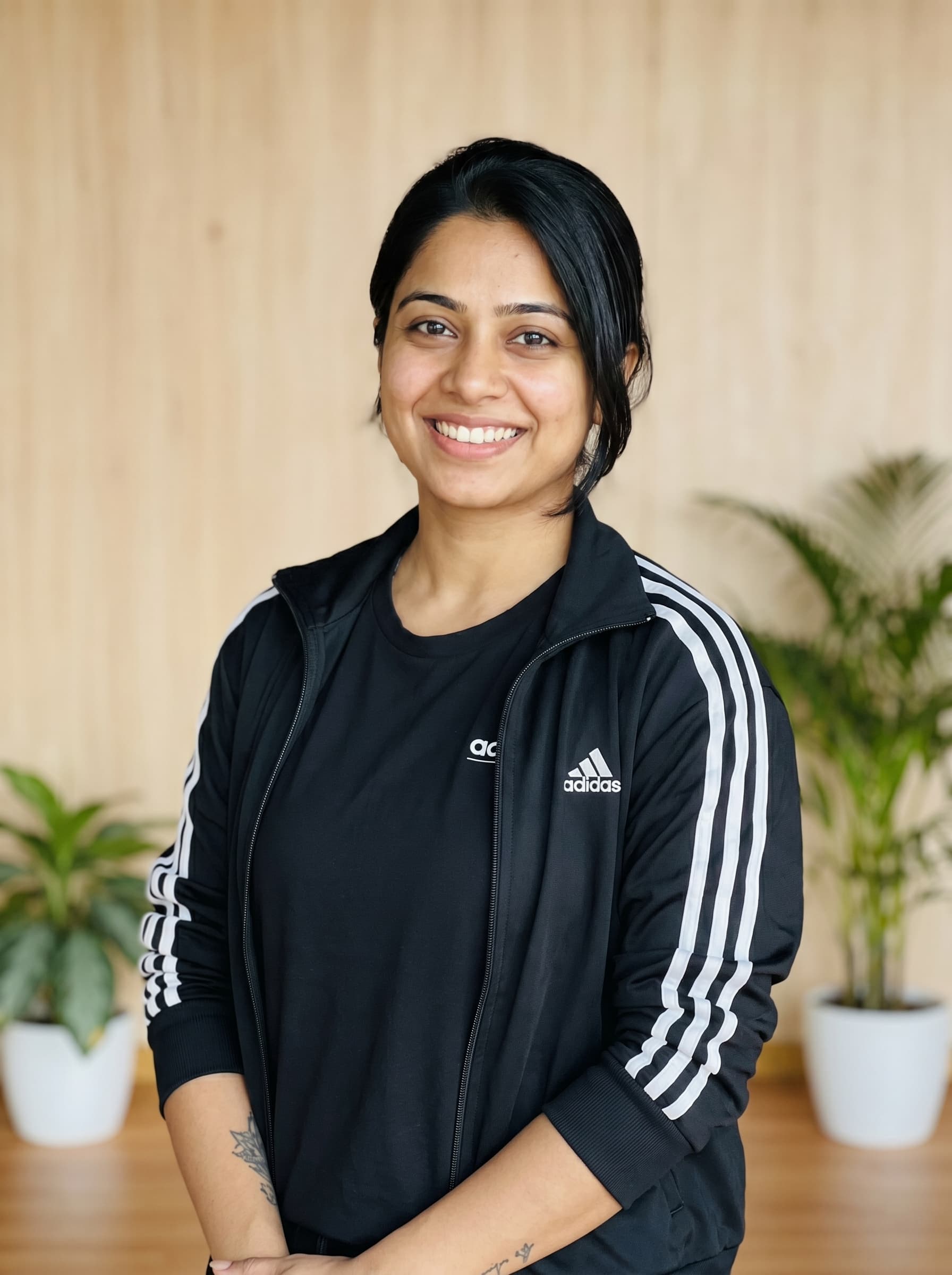
Aditi
Yoga and Strength Coach
Certified Personal Trainer · Strength & Conditioning Specialist
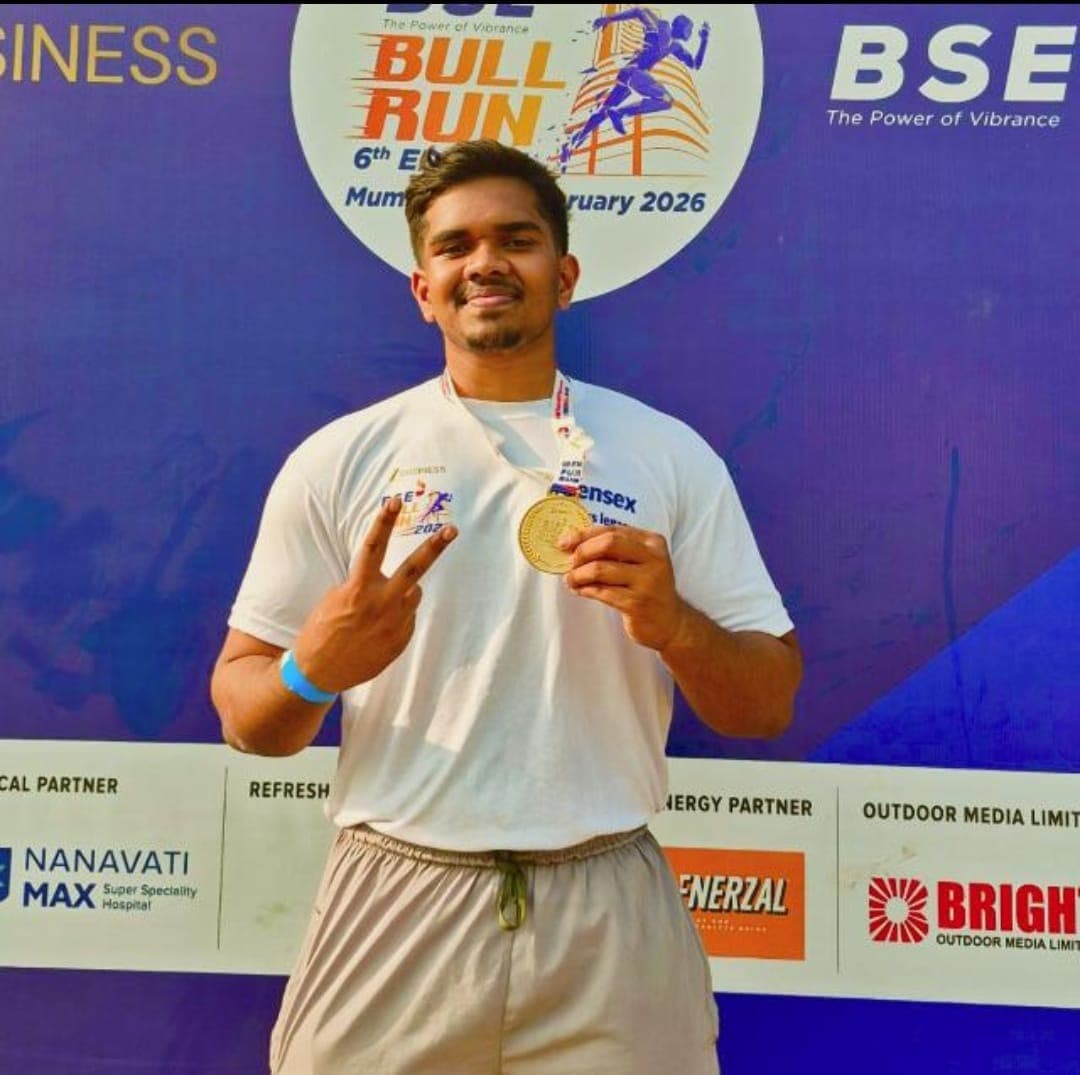
Vivek
Strength & Conditioning Coach
ACE Certified Personal Trainer

Animesh
Strength & Conditioning Coach
Strength & Conditioning (K11)
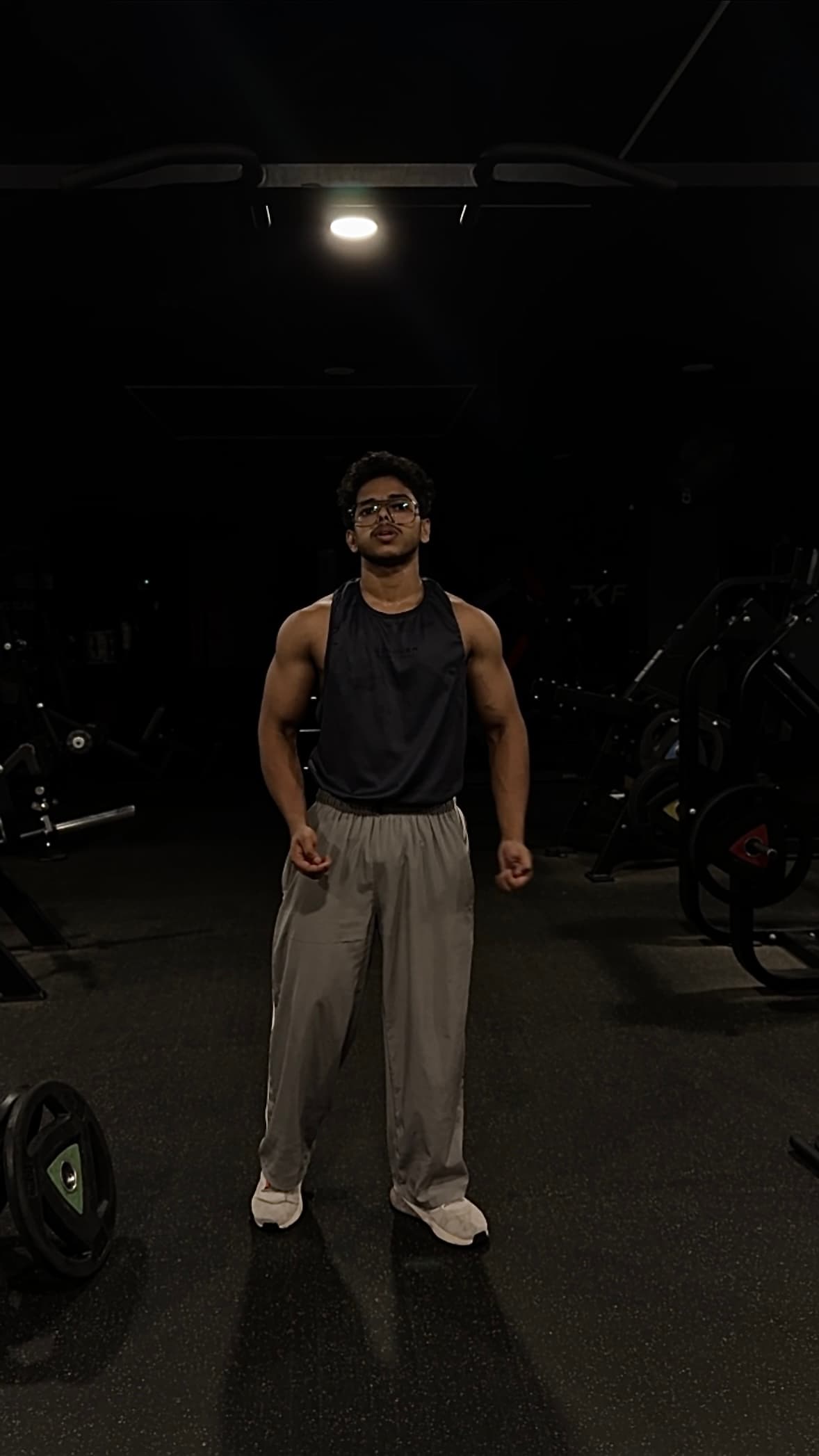
Gokul
Strength & Conditioning Coach
Certified Strength & Conditioning Specialist (CSCS) (NSCA)

Anish Agarwal
Founder & Head Coach
NASM Certified Personal Trainer · K11 Certified Fitness Trainer
How it starts
Step 1
Free 30-minute call
Talk to a certified coach about your goals, your health and your week. The call is free.
Step 2
Your plan
Training and an Indian food plan, built around the groceries where you live.
Step 3
1-on-1 video sessions
Coaches cover every time slot. Pick any time that suits you in your US time zone.
Step 4
Weekly review
Your coach checks your progress, food photos and energy, then adjusts the plan.
Free 30-minute call with a certified coach.
Real Women, Real Results
Real members abroad, recorded on real calls in their own living rooms. No studio, no filters.
Swipe to explore
1 / 3
Questions
Common questions
What causes hormonal weight gain and can it be reversed?
Weight gain linked to hormones can come from insulin resistance, a thyroid problem, stress and poor sleep, estrogen changes, or menopause. Your doctor confirms the cause with tests. Weight can come down with consistent strength training, protein at each meal, better sleep and a structured food plan. We do not promise a reversal. Results depend on the cause, so we track progress against your own starting point and keep your doctor informed.
How is hormonal weight loss different from regular weight loss?
Most plans start with calories. A hormone-aware plan starts with the pattern: when you eat, how much protein you get, how you sleep, how your cycle or menopause symptoms run, and what your doctor has found. Training and food are then set around that pattern. Calories still matter and we look at them, but they are not the starting point. Weight loss and exercise also work differently by goal. In a 2024 review, aerobic exercise gave the largest weight loss, so walking and aerobic work sit alongside strength training 3.
I've tried everything: diets, gyms, trainers. Why is this different?
The starting point is the difference. We do not begin with a diet or a training menu. We begin with a health assessment that asks about symptoms, cycle or menopause pattern, sleep, stress and past attempts. We look at that pattern with you before we set any target. Most of the food plan is built from Indian food you already eat, which makes it easier to keep up. In the first two weeks you get a plan you can follow on a bad day, not only a good one.
I have PCOS / thyroid / insulin resistance. Will this work for me?
We can coach alongside those conditions, but we do not diagnose or treat them. The 2023 international PCOS guideline quotes the adult activity advice of 75 to 150 minutes of vigorous activity a week, or an equivalent mix, plus muscle-strengthening on 2 non-consecutive days 4. Your doctor stays in charge of your medication, your thyroid dose and your labs. We work on training, food and routine. Tell us your diagnosis and your latest results when you book. Insulin resistance and thyroid problems are both checked with blood tests, so we start with your reports, not a guess.
I'm stressed, gaining weight around my belly, and can't sleep. Is this cortisol?
We cannot tell from a conversation whether cortisol is the cause. A cortisol test is ordered by your doctor. What we can do is look at the pattern with you: when stress peaks, how you sleep, when you eat, and how training feels in those weeks. We then adjust the load, so a heavy work week gets shorter, lighter sessions instead of hard cardio.
What if I'm perimenopausal or menopausal?
Perimenopause can change where weight sits and how well you sleep, and it can bring irregular cycles and hot flashes. Hormone therapy is an individual decision. The North American Menopause Society says it should be individualised using the best available evidence, with benefits and risks reviewed over time 6. We work on strength, protein, sleep and daily steps, and we adjust week to week based on how you feel. Questions about hormone therapy go to your doctor, and we can help you write down what to ask at your next appointment.
Will my doctor think this interferes with my treatment?
The plan is built to sit alongside your treatment. Your doctor manages medication, tests and diagnosis, and we do not change any prescription. If you want, we can share a short summary of your training and food with your doctor. Your doctor stays in charge of your medication.
I gain weight even with exercise. Is it my metabolism?
We cannot say it is your metabolism from a chat. Weight can rise even with exercise when food, sleep, stress or a hormone condition is part of the picture. We look at the whole week. Exercise type matters too: in a 2024 network meta-analysis of adults with overweight or obesity, aerobic exercise gave the largest weight loss 3. We use that alongside strength work.
Can I train during stressful periods / heavy work weeks?
Yes. In a heavy week we shorten sessions and keep the strength work, instead of adding hard cardio. A busy desk-job week usually fits three sessions: two strength days and one walk or mobility day. We adjust the load based on how you slept and how you felt, not on a fixed rule. If a week is really full, we still keep one 10 minute walk so the habit does not break.
How long before I see visible weight loss?
We do not give a timeline up front, because it depends on your starting point and the cause. We track energy, sleep, waist size, strength and how clothes fit, alongside the scale. Lab results come from your doctor, and any change you notice is discussed at your weekly check-in. In the first month, expect the plan to change more than the scale does.
Evidence
Sources
- ICMR-INDIAB collaborative study group, Lancet Diabetes and Endocrinology (2023). Metabolic non-communicable disease health report of India: the ICMR-INDIAB national cross-sectional study (ICMR-INDIAB-17).
- Lean ME, et al. The Lancet (2018). Primary care-led weight management for remission of type 2 diabetes (DiRECT): an open-label, cluster-randomised trial.
- Wang H, et al. Frontiers in Endocrinology (2024). Comparative efficacy of exercise training modes on systemic metabolic health in adults with overweight and obesity.
- Journal of Clinical Endocrinology and Metabolism (2023). Recommendations from the 2023 international evidence-based guideline for the assessment and management of polycystic ovary syndrome.
- Jonklaas J, et al. Thyroid (2014). Guidelines for the treatment of hypothyroidism: prepared by the American Thyroid Association task force on thyroid hormone replacement.
- The North American Menopause Society, Menopause (2022). The 2022 hormone therapy position statement of The North American Menopause Society.
Keep reading
Related pages
Ready to start?
Tell us where you are, and a coach builds the plan around your schedule and your food.
Start Your Journey