Indian Grocery List for Weight Loss in the US: Patel Brothers & Costco
Grocery list for NRIs: Patel Brothers paneer, lentils, millet flour; Costco chicken, Greek yogurt, frozen vegetables. Weight-loss staples, swaps, portions.
⚠ Lifestyle coaching information only. This guide is educational content about nutrition and grocery shopping for weight loss. It is not medical advice. Consult a registered dietitian or your doctor before making significant dietary changes, especially if you have existing health conditions, food allergies, or take medications. Individual nutrition needs vary based on age, metabolism, activity level, and medical history.
You moved to the US five years ago, and your pants don't fit anymore. Your metabolism hasn't changed, your pantry has. The problem isn't willpower; it's access. You can't find low-calorie Indian staples at the corner Safeway, and ordering from specialty websites costs 3x the price. So you end up buying frozen parathas, ghee-heavy ready-to-eat curries, and sugary chai mixes because they're convenient and cost less than fresh ingredients.
Quick answer: Indian grocery stores like Patel Brothers and American bulk retailers like Costco stock identical staple proteins (lentils, paneer, eggs), low-GI carbs (basmati rice, millet flours), and vegetables you need for weight loss. The key is knowing what to buy (whole grains, canned lentils, frozen tandoori chicken) and what to skip (ghee in bulk, ready-made parathas, sugary chai premixes). This shopping list gives you a framework, not a meal plan, for eating authentic Indian food and losing weight in the US, UK, Canada, or any country abroad.
Why Indian Groceries in the US Lead to Weight Gain
An NRI's weight gain isn't a mystery. Research on South Asian immigrants shows a 30–45 pound average gain within 5–10 years of moving abroad. The culprits:
Restaurant Ghee & Cream
Indian restaurants in the US use 3–5 tablespoons of ghee/oil per curry to suit American taste (richer = better, in their minds). At home in India, your mom used 1–2 tablespoons.
Portion Sizes
US restaurant portions are 2–3x larger than India. A dal-rice combo abroad = two meals at home. Most NRIs finish it thinking it's one portion.
Sedentary Lifestyle
Everything is car-dependent: work (30–60 min commute), groceries, gym. In India, you walked to the market, took stairs at home, moved throughout the day.
Desk Jobs & Stress
8–10 hours sitting + H1B visa anxiety + work pressure = cortisol elevation and mindless eating at night. Physical activity drops to 3,000–4,000 steps/day.
The solution starts at the grocery store. You can eat authentic Indian food, dal, paneer, rice, vegetables, and lose weight, but only if you have the right ingredients and cook at home.
Patel Brothers: Your Protein & Carb Hub
Patel Brothers (or similar Indian grocers: Desi Bazar, IndianGroceryStore.com) stock authentic ingredients at reasonable prices. Here's what to buy, and what to skip:
| CATEGORY | BUY | PORTION/WEEK | WHY |
|---|---|---|---|
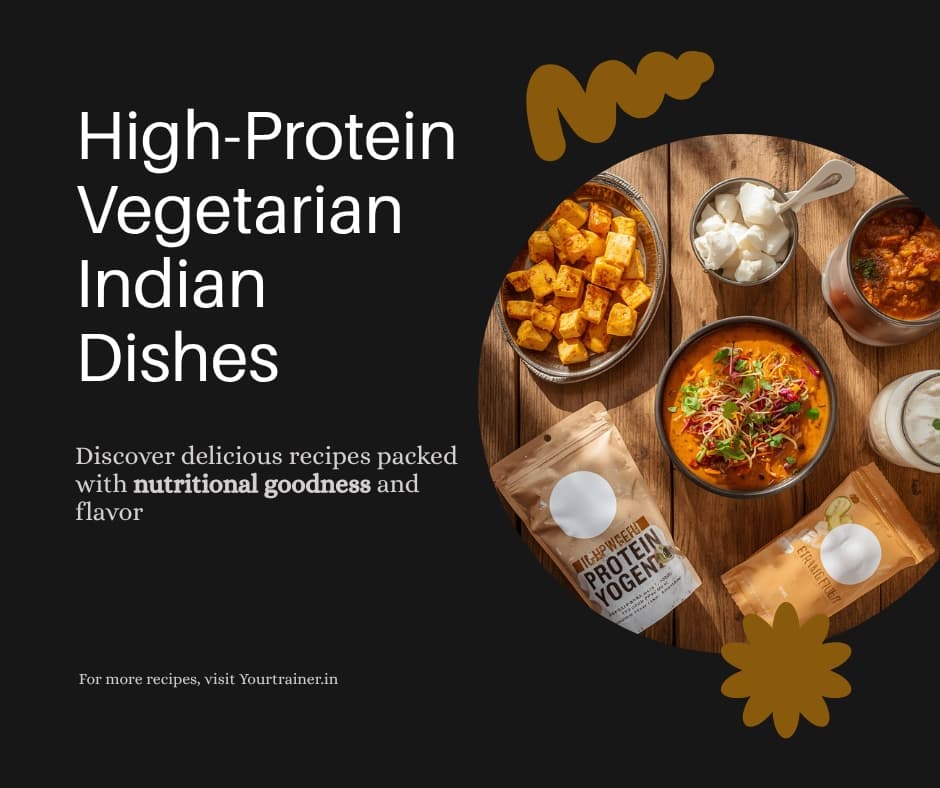
| Paneer | 500g block (fresh, not packaged) | 2 x 500g/week | 22g protein per 100g. Cook at home (tikka, bhurji, curry with minimal oil). Avoid fried paneer snacks. |
| Soya Chunks (TVP) | Dried, bulk pack | 200g/week | 20g protein per 100g (cooked). Vegan, cheap, shelf-stable. Rehydrate in hot water, then stir-fry with minimal oil. |
| Chana Dal & Moong Dal (Dried) | 1 kg bag (split lentils) | 300g/week cooked | 18–20g protein per cooked cup. Low GI, fiber-rich. Cook fresh or buy canned (BPA-free); avoid ghee-heavy mixtures. |
| Rajma (Kidney Beans) | Dried 1 kg, or canned (no sugar added) | 200g/week cooked | 16g protein per cooked cup. High fiber. Cook at home in pressure cooker (30 min) or buy canned Alpino/Tinaa. |
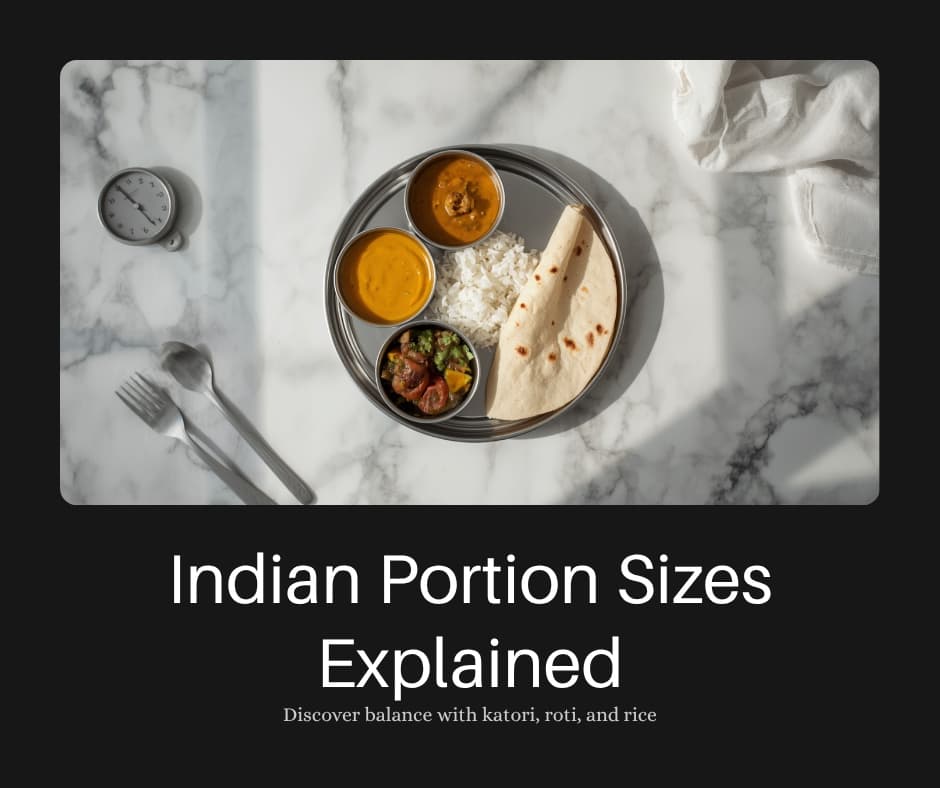
| Basmati Rice (Brown) | 5 lb bag (brown basmati, not white) | 1 cup cooked/day max | Lower GI than white rice. Measure portions strictly (1/2 cup uncooked = 1.5 cups cooked). Pair with protein and vegetables always. |
| Millet Flours (Bajra, Jowar, Ragi) | 500g bag (any brand) | 150g/week | 6–7g protein per 100g, very high fiber. Make bhakri (millet flatbread) 1–2x/week instead of wheat roti. Easier digestion. |
| Whole-Wheat Atta (Flour) | 2 kg bag (multigrain, not refined) | 200g/week | 10g protein per 100g, 7g fiber. Make 2 rotis per meal (not 4). Skip maida (refined white flour). |
Costco: Frozen Protein & Bulk Staples
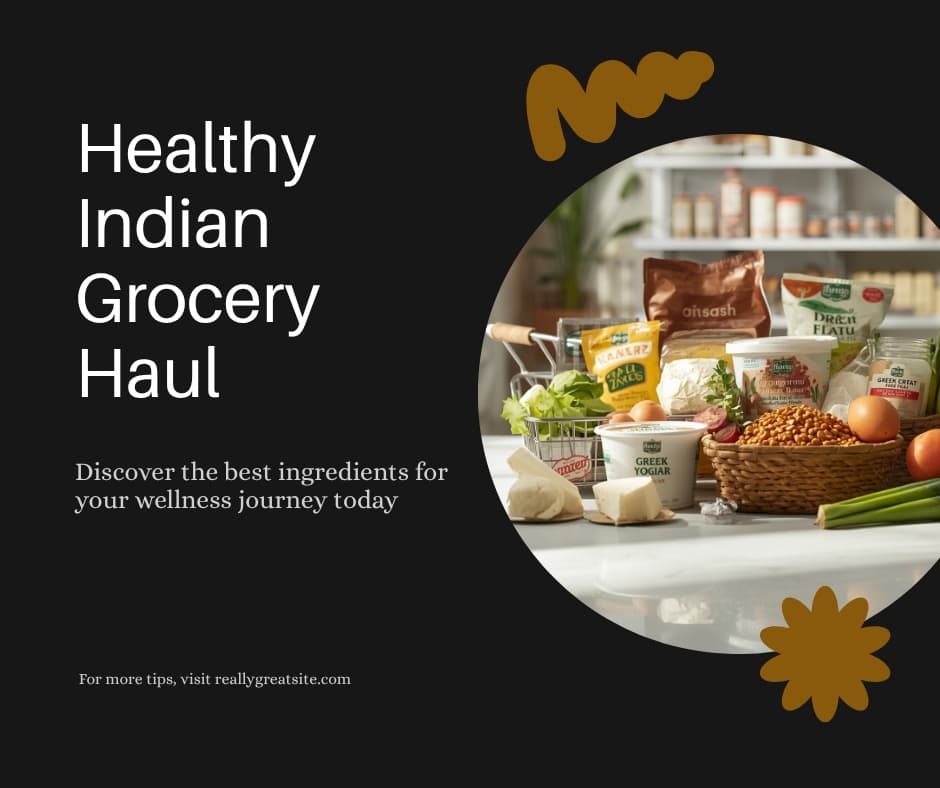
Costco is the cheapest place for bulk protein. You get bulk protein at 40–50% cheaper than Whole Foods, freezer-friendly formats, and no sugar-added versions:
| ITEM | SIZE & COST (approx) | PROTEIN PER SERVING | HOW TO USE |
|---|---|---|---|
| Chicken Breast (Frozen) | 3 lb pack, USD 8–10 | 31g per 100g | Thaw overnight. Grill, tandoori-spice rub, or shred for tikka masala (use light coconut milk + tomato paste, skip ghee). |
| Greek Yogurt (Plain, Non-Fat) | 32 oz tub, USD 5–7 | 20g per 200g cup | Replace full-fat dahi. Use as tzatziki base, in smoothies, or with fruit. Avoid sweetened versions (hidden sugar). |
| Eggs (Large, 2.5 Dozen) | USD 6–8 | 6g per egg | Boil in bulk on Sunday. Eat 2–3 for breakfast or as snack. Budget-friendly, portable. |
| Mixed Frozen Vegetables (Broccoli, Peppers, Onions) | 5 lb bag, USD 4–6 | 2–3g per cup | No prep. Stir-fry with paneer or chicken, add to dal, or roast. High fiber, low calorie, fills stomach. |
| Whey Protein Powder (Vanilla/Unflavored) | Optimum Nutrition, 5 lb, USD 40–50 | 24g per scoop | Mix with Greek yogurt, oats, or milk. Optional, not mandatory. Lasts 3–4 months. |
| Frozen Tandoori/Grilled Chicken (Seasoned) | 2 lb bag (Nasoya or Halal Guys brand), USD 7–9 | 28g per 100g | No thaw needed. Heat and eat. Portion-controlled, no added ghee. Pair with rice and salad. |
| Oats (Quaker or Generic, 32 oz) | USD 3–4 | 5g per 1/2 cup uncooked | Make overnight oats with Greek yogurt and berries. High fiber, keeps you full 4–5 hours. |
| Cottage Cheese (Non-Fat) | 32 oz tub, USD 4–6 | 28g per 1/2 cup | American equivalent to paneer-whey blend. High protein, satisfying. Eat plain or mix into curries. |
Fresh Vegetables: What to Buy & Portion Control
Frozen vegetables are convenient, but fresh (when cheap) adds fiber and satiety. You don't need expensive organic; regular produce from any US supermarket works fine for weight loss:
- Spinach & Methi (Fenugreek): Buy fresh at Indian stores or frozen chopped spinach at any supermarket. 1 cup cooked = 1g carbs, 1g protein. Add to curries, dals, or scramble with eggs. No calories concern.
- Bhindi (Okra): Buy fresh at Patel Brothers or frozen pre-cut. Fry with onion and tomato (1 tsp oil only). 1 cup = 7g carbs, 2g protein. Don't deep-fry.
- Lauki (Bottle Gourd) / Zucchini: 95% water, nearly zero calories. Boil and mash with dal or make khichdi (light meal). Fills you up without fat.
- Cauliflower (Fresh or Frozen): 5g carbs per cup. Roast with turmeric/chili powder (minimal oil) or add to curry. High fiber, low calorie density.
- Salad Greens (Lettuce, Arugula, Spinach): Buy pre-washed bags at Costco. Make a side salad with lemon and minimal oil for every meal. Virtually unlimited.
- Tomatoes & Onions: Staples for any curry. Buy 5 lb bags. Use generously; they're low-calorie flavor bases.
Coaching that does this for you
Reading is step one. A coach turns it into a plan built around your body, food & schedule.
100% online · Indian meal plans · weekly progress reviews · daily WhatsApp support.
Start Your Journey →Smart Swaps: Weight Loss Edition
You don't have to give up Indian food. You just have to make one-for-one ingredient swaps:
| Full-Fat Dahi | → | Non-Fat Greek Yogurt (from Costco) |
| Ghee (3 tsp per curry) | → | Olive Oil or Vegetable Oil (1 tsp per curry; use spray bottle for portion control) |
| Fried Samosa / Spring Rolls | → | Roasted Chana or Makhana (fox nuts) with chaat masala |
| Cheese (High Fat) | → | Paneer or Cottage Cheese (lower fat, higher protein) |
| Sugar, Jaggery, or Honey in Tea/Chai | → | Monk Fruit or Stevia (zero calories, no aftertaste in tea) |
| Sugary Chai Premix (Wagh Bakri, Lipton) | → | Loose Leaf Black Tea + Fresh Milk (Costco) + Monk Fruit |
| Frozen Parathas (from Patel Brothers) | → | Homemade Whole-Wheat Rotis (freeze in batches on Sunday) |
| Mithai (Sweets) & Gulab Jamun | → | Greek Yogurt + Berries + Monk Fruit Sweetener (dessert-level satisfaction, 100 calories) |
Foods to Limit (Bulk Buys Are Calorie Landmines)
These are cheap at Patel Brothers because they're shelf-stable and high-margin. They're also why NRIs gain weight:
- Ghee in Bulk (Jars 1–2 kg): 120 calories per tablespoon. A jar lasts weeks but gets used carelessly. Replace with oil measured in a spray bottle.
- Frozen Parathas / Puri: 200–250 calories per piece. Buy 2 per meal instead of 3, or skip entirely. Make fresh rotis instead, 1 minute per roti.
- Namkeen, Sev, Mathri, Chakli: Highly palatable, easy to eat 500+ calories in one sitting. Buy only if you live alone and can portion into single servings immediately. Better: skip.
- Sugary Chai Premixes (Wagh Bakri, Lipton Taaza): 20–30g sugar per serving. One chai = 2 tbsp sugar. Make fresh tea instead (literally 3 minutes).
- Mithai (Sweets, Gulab Jamun, Kaju Katli): 300–400 calories per sweet. Bought for celebrations but eaten daily. Avoid bulk buys. If you eat sweets, buy ONE piece only.
- Frozen Tikka Masala, Samosa, Biryani Kits: Contain 4–6 tablespoons of ghee per serving. Cost ₹150–250 in India, USD 8–12 in the US. Make from scratch instead; costs 1/3 the calories.
- Condensed Milk (Sweetened): 330 calories per 3.3 oz can. Used in payasam and kheer. Buy only if making dessert 2–4x yearly. Otherwise skip.
- Maida (Refined Wheat Flour): Spiked blood sugar, zero fiber. Used in halwa, cake, and pastries. Replace with whole-wheat atta or almond flour.
Practical Shopping & Portion Framework
Here's how to build a weight-loss grocery list that works for the US (or any country with Indian and mainstream supermarkets):
- Weekly Protein Target: 120–160g (depending on body weight). Buy 2–3 protein sources per week (paneer, eggs, lentils, frozen chicken). Rotate them for variety.
- Carbs: Measure, Don't Eyeball. Buy 1/2 cup uncooked rice per person per day max. Cook brown basmati or millet flour rotis instead of white rice. Pair every carb with protein + vegetable.
- Vegetables: Fill Half Your Plate. Frozen vegetables (Costco) cost USD 4–6 and last 2–3 weeks. Fresh vegetables (Patel Brothers or any supermarket) are cheaper than you think; buy spinach, onion, tomato, bhindi weekly. Aim for 4–5 cups cooked vegetables daily.
- Fats: Portion Control. Oil in a spray bottle (not free-pour). Ghee banned from home unless making an occasional special dish. Olive oil or coconut oil preferred.
- Label Reading: Non-Negotiable. Read the nutrition label on every packaged item. If sugar is in the top 3 ingredients, don't buy. If it has 2+ g sugar per 100g, it's not weight-loss-friendly.
- Bulk Staples: Buy Quarterly, Not Weekly. Dry lentils, basmati rice, atta: buy 5 kg/quarter (cost: USD 10–20 total). Oils: 1 liter/month. Ghee: banned unless 2–3x yearly for special dishes.
Frequently Asked Questions
Q: Can I still eat Indian food every day and lose weight?
A: Yes. The issue isn't Indian food; it's portion size, cooking method, and ingredient quality. A bowl of dal (lentils) with brown basmati rice, salad, and one roti = 400–500 calories and 20g protein. That's a perfect weight-loss meal. The problem arises when you eat 3 rotis + 4 tablespoons ghee + full-fat dahi = 1,200 calories from one meal. Cook at home, measure portions, and use oil sparingly. Indian food is one of the healthiest cuisines for weight loss; Americans just abuse ghee.
Q: Is Patel Brothers or Costco better for weight loss?
A: Use both. Patel Brothers for authentic Indian staples (lentils, flours, spices) that set the foundation. Costco for bulk protein (eggs, chicken, Greek yogurt) and vegetables at better per-unit cost. Costco's frozen vegetables are 40–50% cheaper than fresh and last 3 months. Patel Brothers has zero frozen proteins at good prices, but has paneer and soya chunks. Together, they cover everything.
Q: What if I can't find specific items in the US (e.g., fresh methi)?
A: Frozen spinach from any supermarket is a perfect substitute. It has higher nutrient density than fresh (frozen immediately after harvest). Fenugreek (methi) seeds are available at Patel Brothers and add flavor to curries; use 1 tsp. For any vegetable you can't find, frozen mixed vegetables (Costco) work in 90% of recipes. The goal is fiber and volume, not the specific vegetable.
Q: How do I know if my Patel Brothers paneer is weight-loss friendly?
A: Read the nutrition label. Real paneer = 22g protein, 20g fat per 100g. If it shows less protein and more fat, it's been adulterated (common in bulk paneer). Fresh paneer smells slightly acidic, not rancid. Buy from reputable stores. If unsure, Cook at home: boil milk with vinegar and lemon juice in 15 minutes (YouTube tutorial). Homemade paneer costs 1/3 the price and is guaranteed pure.
Q: Do I need whey protein powder?
A: No, but it helps. If you're busy and can't eat 150g protein from whole foods daily, one scoop of whey (24g) in oats or Greek yogurt bridges the gap. If you have access to eggs, paneer, and lentils daily, powder is optional. Cost-benefit: Costco Optimum Nutrition (5 lb for USD 45) lasts 3–4 months and costs USD 11/month. That's cheaper than buying an extra paneer per day.
Q: How long does a Costco membership take to pay for itself for an NRI?
A: Immediately. A Costco membership (USD 60/year) pays for itself in one bulk chicken + Greek yogurt + oats trip. You save 40–50% per unit on protein. Most NRIs recoup the membership fee in the first two weeks.
A Real NRI Shopping Example
Let's say you're a 72 kg (160 lb) NRI woman trying to lose 8 kg (18 lb) in 12 weeks. Your calorie target: 1,800/day. Protein target: 130g. Here's your weekly shopping list (estimated cost: USD 60–70):
- Costco (once/month): Chicken Breast 3 lb (USD 10), Greek Yogurt 32 oz (USD 6), Eggs 2.5 doz (USD 7), Frozen Mixed Veg 5 lb (USD 5), Oats 32 oz (USD 3) = USD 31
- Patel Brothers (weekly): Paneer 500g (USD 5), Moong Dal 500g (USD 3), Brown Basmati 2 lbs (USD 2.50), Whole-Wheat Atta 2 lbs (USD 1.50), Millet Flour (Bajra) 500g (USD 2), Spinach / Methi (Fresh, USD 2) = USD 16
- Local Supermarket (weekly): Eggs already counted (Costco), Tomato/Onion (USD 4), Salad Greens (USD 3), Milk Non-Fat (USD 3) = USD 10
- Monthly Non-Perishable Buy: Oil 1 liter (USD 4), Salt, Spices (turmeric, chili, cumin already at home or negligible cost)
Total: USD 70/week, or USD 280/month for solo meals with variety. Compare that to one Indian restaurant meal (USD 15–18) eaten 3x/week (USD 45/week). Cooking saves money AND weight.
Do You Need to Track Calories?
No, but it helps initially. Eat protein at every meal, fill 50% of your plate with vegetables, measure oil strictly, and watch portion sizes of carbs (rice, roti, flour). Most NRIs who do this lose 0.5–1 kg (1–2 lb) per week for the first 8–12 weeks. If you plateau after 8 weeks, download MyFitnessPal, log food for 3 days, and identify where calories crept in (oil, parathas, sweets, or portions).
This shopping guide is a framework, not a meal plan. Every person's preferences differ, and every country has different grocery options. The principle stays the same: buy whole ingredients, cook at home, measure portions of oil and carbs, and eat protein at every meal. Your Indian heritage and current home don't conflict; they complement each other when you shop and cook strategically.
Related Reads
- The NRI Weight-Gain Trap: How to Eat Indian & Stay Lean Abroad
- Indian Diet for Weight Loss (Vegetarian & Non-Veg Plans)
- Indian Protein Sources Ranked: Vegetarian & Non-Veg
Ready to eat Indian food and stay lean while living abroad? Start Your Fitness Journey with Coach Anish today. A free discovery call will help you map your eating strategy (whether vegetarian, non-veg, or vegan) to your location and lifestyle.
- Coach Anish, YourTrainer · Grocery and nutrition guidance, not medical advice. Always consult a registered dietitian for personalized meal planning.
Sources
- Indian Food Composition Tables (IFCT) 2017 · ICMR, National Institute of Nutrition
- Nutrient Requirements for Indians (RDA and EAR) · ICMR, National Institute of Nutrition
- Healthy diet · World Health Organization
- Dietary profiles and associated metabolic risk factors in India (ICMR-INDIAB survey) · Nature Medicine
Figures for Indian foods follow IFCT 2017 (ICMR-NIN). Coaching guidance on this site is educational and is not a substitute for medical advice. See how we use sources.
Did you find this helpful?

About Anish Agarwal
Founder & Head Coach, YourTrainer · NASM & K11 Certified Personal Trainer · coaching since 2022
Featured in Dietitians.io, Fitness Interview, NRI Pulse. Press and media
Anish Agarwal is a NASM and K11 certified personal trainer coaching fat loss, body transformation, strength, and nutrition for clients across India since 2022. He founded YourTrainer to make expert, science-based coaching accessible online and in Bengaluru. Coach Anish's profile and the YourTrainer story.
Coaching built for this
Want a plan like this done for you? These programs are matched to what you just read:
Online 1-on-1 Coaching
Start Your Journey
Get a personalised training + Indian nutrition plan built around your goal, coached online, anywhere in India or abroad.
Trusted by 1,000+ clients coached across India & abroad
Free 30-min discovery call · No obligation