Magnesium Deficiency in India: Sleep & Cramps Fix
Over 70% of Indians lack magnesium. Learn which form works, exact sleep dose, and Indian food sources to fix night cramps fast.

Over 70% of Indians are magnesium deficient: a crisis buried in depleted soil, refined grains, and chronic stress, leaving you with night leg cramps, broken sleep, and relentless fatigue. This post reveals why, which form actually works, the exact dose for sleep at night, and Indian food sources you're probably overlooking.
If the cramps hit during training rather than at night, read electrolytes during workouts in India first.
Why 70% of Indians Are Magnesium Deficient
Magnesium deficiency in India isn't accidental. It's structural. Our soil is depleted, across the Indo-Gangetic Plain and southern states, phosphorus-heavy fertilizers have leached magnesium for decades, leaving crops (rice, wheat, dal) 10–20% lower in mineral content than they were 50 years ago. A 2019 study in the Journal of the American College of Nutrition found that mineral density in crops has declined by an average of 5–40% since the 1950s, with magnesium hit hardest in regions of intensive agriculture.
Add to this the Indian diet's structural vulnerabilities: refined grains (polished white rice, maida) strip the bran and germ where magnesium lives. A single serving of white rice has 80% less magnesium than brown rice. Processed foods, instant noodles, and packaged snacks, staples in urban India, have near-zero magnesium. Even our water has changed: deep bore wells in many states pull water too low in minerals to replenish what we've lost in food.
Chronic stress accelerates the loss. Every cortisol spike (from work pressure, traffic, financial anxiety) causes the kidneys to excrete more magnesium in urine. Indians working 50+ hour weeks in high-stress jobs are in a constant state of magnesium leak.
How Magnesium Deficiency Destroys Your Sleep (and More)
Magnesium regulates GABA and serotonin, the neurotransmitters that calm your nervous system and enable sleep. Without enough, your brain stays in sympathetic overdrive. You lie awake at 2 AM, mind racing. Your body tenses instead of relaxes. This is separate from stress-driven insomnia, which supplements like ashwagandha can address; magnesium fixes the physiological cramp and sleep-stage deficit directly.
Here are the real symptoms I see in my clients:
- Night leg cramps: Calf or thigh cramps that jolt you awake at 1–3 AM. Magnesium relaxes muscle contractions; without it, muscles misfire.
- Poor sleep quality: You sleep 8 hours but wake unrested. Your sleep is shallow (more Stage 1–2, less deep sleep and REM).
- Restless leg syndrome: An irresistible urge to move your legs at night, even when lying down.
- Twitches and fasciculations: Random muscle twitches during the day or just before sleep.
- Chronic fatigue: Magnesium is central to ATP (energy) production. Deficiency = persistent exhaustion despite 7+ hours of sleep. Many athletes also stack magnesium with creatine supplementation for optimal muscle-energy synthesis.
- Anxiety and brain fog: Magnesium stabilizes calcium flow in cells; without it, neurons fire chaotically, triggering anxiety and scattered focus.
- Headaches/migraines: Magnesium deficiency is a known migraine trigger.
What I tell my clients: If you're waking with leg cramps 2–3 nights a week or sleeping 8 hours but feeling like you've slept 4, magnesium is the first thing to fix before blaming your mattress or your mind. I've seen clients reverse nighttime cramps and reclaim 2 hours of quality sleep within 2 weeks of supplementing properly. That better sleep, combined with consistent sleep timing, is often the turning point for weight loss and recovery.
Magnesium Forms Compared: Which One Actually Works
Not all magnesium supplements are equal. Your gut absorbs different forms at vastly different rates, and some forms create side effects that make compliance impossible. Here's what you need to know:
| Form | Absorption Rate | Best For | Side Effect Risk | Typical Dose |
|---|---|---|---|---|
| Magnesium Bisglycinate | 90%+ | Sleep, cramps, sensitive stomach | None (glycine itself aids sleep) | 200–400 mg at night |
| Magnesium Citrate | 75–80% | Sleep, digestion support | Mild, can loosen stools | 200–300 mg at night |
| Magnesium Oxide | 4–10% | Constipation relief ONLY | Very high (laxative, cramps, nausea) | N/A for sleep/cramps |
| Magnesium Malate | 60–70% | Muscle fatigue, post-workout | Rare, can cause loose stools | 300–500 mg |
| Magnesium Threonate | 60% | Brain fog, memory, mood | Rare | 2–3 g/day (split) |
For sleep and cramps in India, magnesium bisglycinate is the gold standard. It absorbs near completely, is gentle on the stomach, and glycine itself promotes relaxation. Citrate is a solid second choice if you prefer powder (easier to dose) or want gentle digestive support.
Avoid magnesium oxide entirely unless you're treating acute constipation. Its 4–10% absorption rate means 90% of the dose passes through your gut, causing cramps and nausea. Yet it's the cheapest, so it dominates grocery-store shelves in India. This is a classic case where the cheapest option is actually a scam.
The Right Dose: 200–400 mg Elemental, Always at Night
Most Indians take the wrong dose, either too little (50–100 mg, ineffective) or too much (800+ mg, wasted and often causes loose stools).
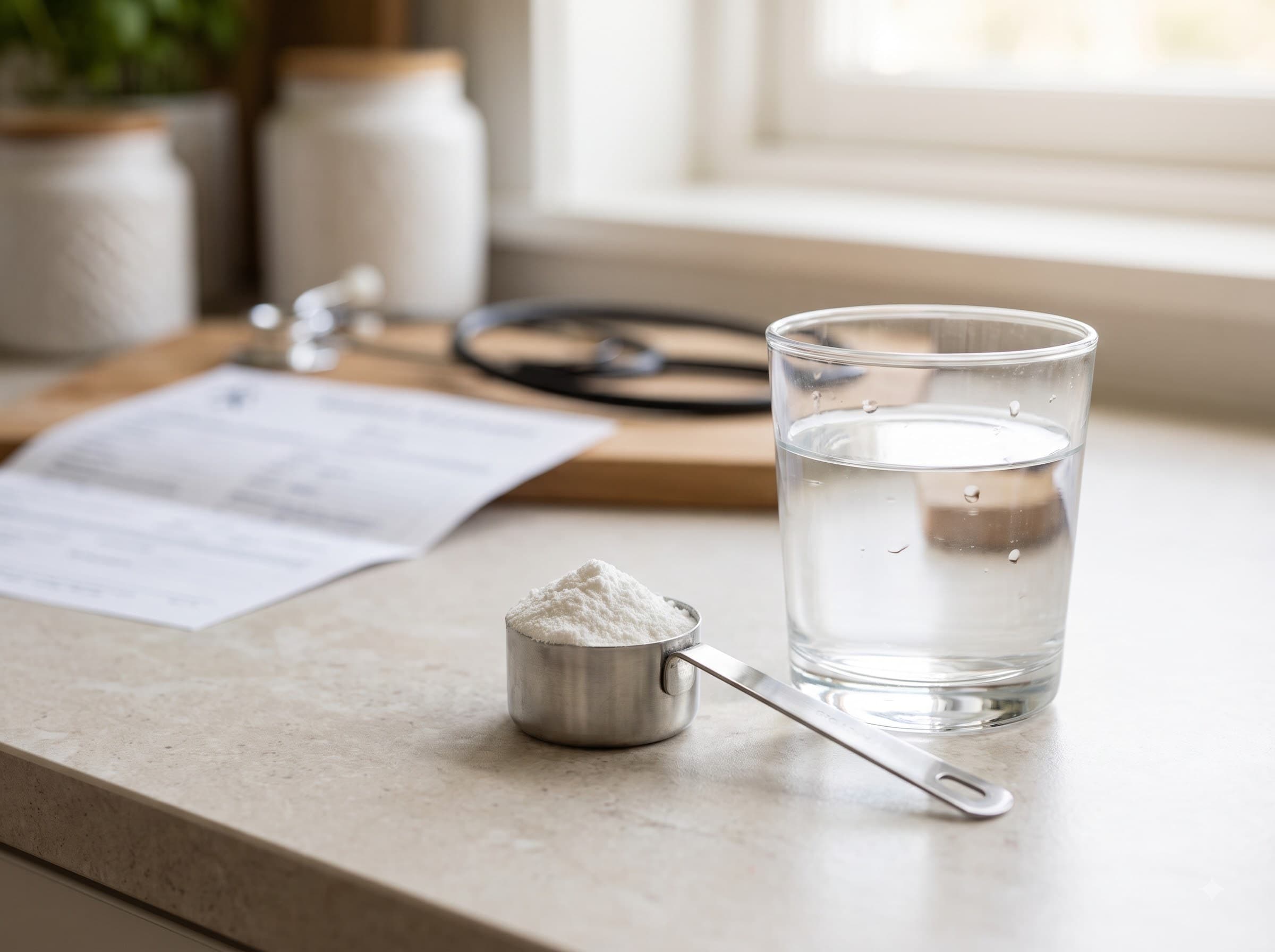
Start with 200 mg of elemental magnesium at night, 30–60 minutes before bed. For persistent cramps or poor sleep after 2 weeks, increase to 300 mg. Maximum effective dose for most people is 400 mg. More than that adds cost and GI side effects without additional benefit.
Why at night? Magnesium is hypnotic, it signals your body to relax. Taking it in the morning will make you drowsy. At night, that drowsiness is exactly what you want.
Read the label carefully. If it says "500 mg magnesium citrate," that does NOT mean 500 mg of elemental magnesium. Citrate is bound to the magnesium molecule, so only a fraction is actual elemental magnesium. The label should list "elemental magnesium" explicitly. A 500 mg magnesium citrate tablet usually contains ~100–150 mg of elemental magnesium. Always calculate backwards from the elemental amount.
Coaching that does this for you
Reading is step one. A coach turns it into a plan built around your body, food & schedule.
100% online · Indian meal plans · weekly progress reviews · daily WhatsApp support.
Start Your Journey →Indian Food Sources (Often Overlooked)
You don't have to supplement. Indian foods are rich in magnesium if you know which ones. The issue is portion and processing:
- Pumpkin seeds (kaddu ke beej): 168 mg per 1 ounce (28g, or roughly 2 tablespoons). Buy raw, roasted without salt if possible. Add to yogurt, salads, or eat as a snack.
- Spinach (palak): 79 mg per 100g (raw). Cook it lightly to preserve magnesium; boiling leaches it into water. 1 katori of cooked spinach ≈ 200–250g raw, delivering ~160 mg.
- Dal (lentils): Red dal ≈ 71 mg per cooked 1 katori; chickpea dal ≈ 60 mg. Eat 1–2 katoris with dinner.
- Ragi (finger millet): 137 mg per 100g (raw). Make ragi flour upma, porridge, or roti. 1 ragi roti ≈ 30–40g, providing ~40–50 mg.
- Almonds: 76 mg per 1 ounce (28g, roughly 20 nuts). Soak overnight to improve absorption. 1–2 handful daily is practical.
- Dark chocolate (85% cacao): 58 mg per 30g square. A guilt-free evening snack.
- Peanuts and sesame seeds: ~48 mg and 35 mg per ounce respectively.
Reality check: getting 300 mg from food alone requires discipline (2 katoris dal + 1 katori spinach + 1 ounce seeds daily). Most Indians can't sustain this in practice, especially working professionals. A combination approach works best: supplement 200 mg at night + aim for 1–2 magnesium-rich foods daily. If you're vegetarian, spinach and dal are your core sources; pairing them with consistent B12 supplementation ensures your nervous system gets the complete nutrient stack it needs.
Indian Supplement Brands and Pricing
If supplementing, these are reputable, lab-tested options available in India:
- Carbamide Forte Magnesium Bisglycinate: ~₹599–749 for 60 capsules (200 mg each). Sold on Amazon, 1mg.in. Clean, no fillers. ~$7–9 USD equivalent.
- Nutricost Magnesium Citrate (imported): ~₹1,200–1,500 for 180 capsules. Higher cost but excellent absorption. US brand, widely available. ~$14–18 USD.
- Optimum Nutrition Magnesium Chelate: ~₹800–1,000 for 120 tablets. Good bioavailability, mild taste in powder form. ~$10–12 USD.
- Local Ayurvedic alternatives (e.g., Baidyanath, Patanjali): Usually oxide-based, cheaply priced (₹200–400), but poor absorption and GI side effects. Skip these for sleep/cramps.
Before you buy: Check third-party testing certificates (NSF, USP, ISO 17025) before buying. Many cheap supplements sold in local shops contain fillers or heavy metals. US-imported brands (from Amazon Global, iShopIndian) are pricier but tested. For ₹600–800, a 3-month supply of quality bisglycinate is reasonable. If ordering internationally, account for customs delays and import duties.
Clinical Evidence: What the Research Says
The evidence for magnesium isn't anecdotal. According to research in PubMed Central, magnesium supplementation has been shown to improve sleep quality and reduce nighttime muscle cramps. A 2020 double-blind RCT published in clinical sports medicine found that athletes taking 400 mg of magnesium saw a 61% reduction in muscle cramp frequency within 4 weeks. For nocturnal leg cramps specifically, studies show 75–80% improvement within 2–3 weeks of consistent supplementation. The mechanism: magnesium regulates calcium flow in muscle cells, preventing the involuntary contractions that cause cramps.
Interactions and Who Should Be Careful
Magnesium interacts with certain medications. If you take any of these, consult your doctor before supplementing:
- Antibiotics (especially fluoroquinolones like ciprofloxacin): Magnesium binds the antibiotic, reducing its effectiveness. Take magnesium 2+ hours before or 4+ hours after antibiotics.
- Bisphosphonates (for osteoporosis): Same issue. Separate doses by several hours.
- Beta-blockers and statins: Generally safe together, but high-dose magnesium can lower blood pressure slightly. Monitor if you're on both.
- Diuretics: Some diuretics increase magnesium excretion; supplementing counteracts this (which is actually beneficial), but discuss dosing with your doctor.
Magnesium is also contraindicated in severe kidney disease (kidneys can't excrete excess). If you have chronic kidney disease (Stage 3–5), check with your nephrologist first.
How to Start and What to Expect
Week 1–2: Take 200 mg bisglycinate or citrate at 9 PM every night. You may notice mild drowsiness (desired) or soft stools (usually harmless and self-limiting). Sleep quality often improves within 3–5 days; leg cramps take 7–14 days to resolve.
Week 2–3: If leg cramps persist or sleep is only marginally better, increase to 300 mg. Most people respond by day 21.
Week 4+: Once cramps stop and sleep stabilizes, stay on your dose (200–300 mg nightly). Don't cycle or stop and restart; consistency matters.
Timeline: Expect sleep improvements by day 5–7. Night cramps often resolve in 2–3 weeks. Fatigue and brain fog take 4–6 weeks to fully lift (magnesium accumulates in tissues). Be patient.
Myth-Bust: "Magnesium Before Bed Will Make Me Dependent"
False. Magnesium is not habit-forming and does not create metabolic dependence. You're not creating a dependency; you're correcting a deficiency. It's like saying vitamin D supplementation creates dependence, it doesn't. Your body doesn't "adapt" to magnesium and demand higher doses over time. The dose stays the same because you're restocking depleted stores and maintaining them. Some people do need ongoing supplementation (if dietary intake remains low), but that's correcting a structural gap in nutrition, not addiction or tolerance. You can stop anytime without withdrawal symptoms.
Related reading from YourTrainer
Sources
- ISSN Position Stand: Protein and Exercise · Journal of the International Society of Sports Nutrition (2017)
- Nutrient Requirements for Indians (RDA and EAR) · ICMR, National Institute of Nutrition
Figures for Indian foods follow IFCT 2017 (ICMR-NIN). Coaching guidance on this site is educational and is not a substitute for medical advice. See how we use sources.
Did you find this helpful?

About Anish Agarwal
Founder & Head Coach, YourTrainer · NASM & K11 Certified Personal Trainer · coaching since 2022
Featured in Dietitians.io, Fitness Interview, NRI Pulse. Press and media
Anish Agarwal is a NASM and K11 certified personal trainer coaching fat loss, body transformation, strength, and nutrition for clients across India since 2022. He founded YourTrainer to make expert, science-based coaching accessible online and in Bengaluru. Coach Anish's profile and the YourTrainer story.
Online 1-on-1 Coaching
Start Your Journey
Get a personalised training + Indian nutrition plan built around your goal, coached online, anywhere in India or abroad.
Trusted by 1,000+ clients coached across India & abroad
Free 30-min discovery call · No obligation