Vegan Protein for Indians: Hitting Your Target Without Dairy or Whey
Most vegetarian protein guides lean on paneer, dahi and whey. The dairy-free Indian protein sources, the amino-acid gap they leave, and how to close it.
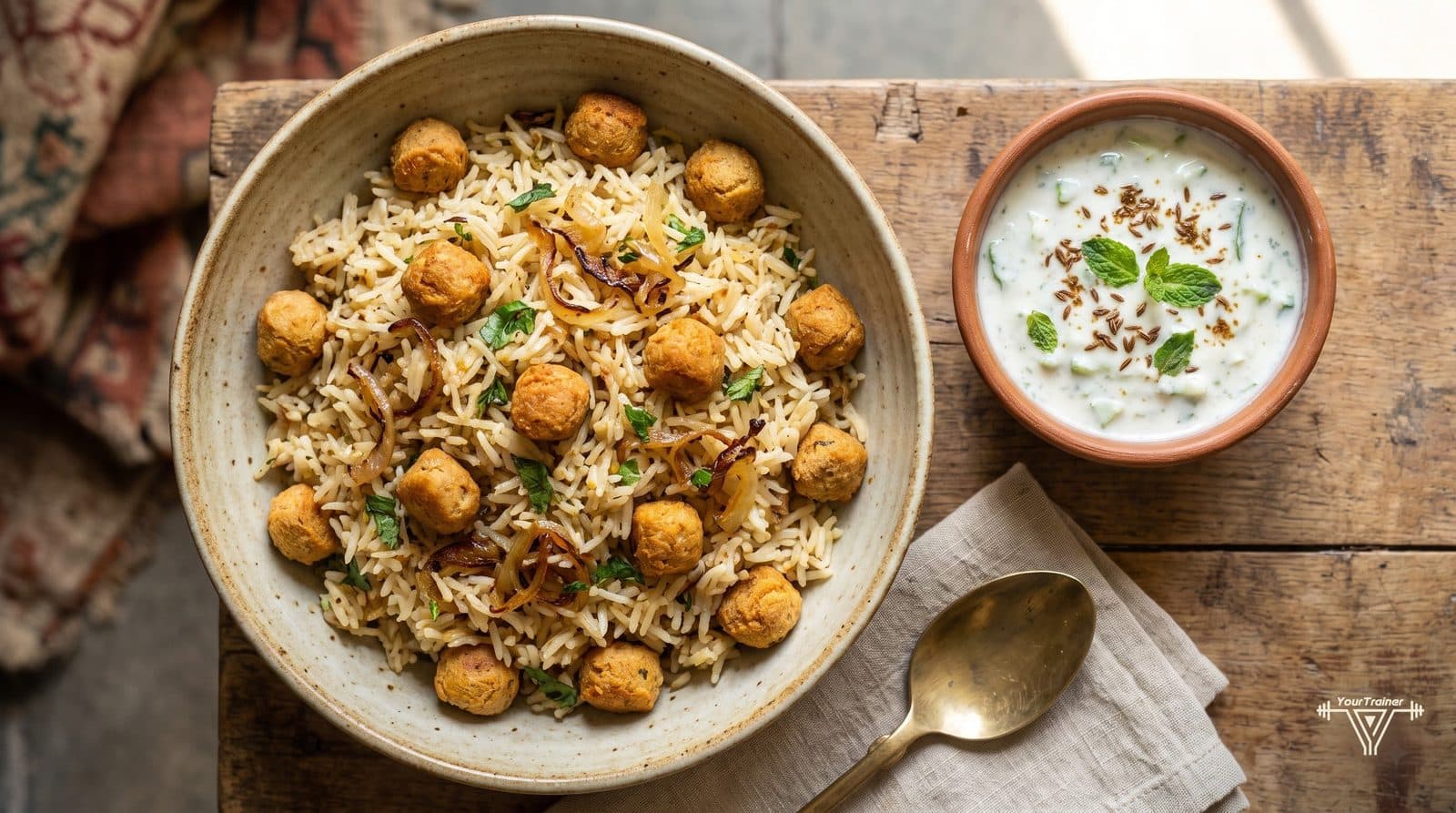
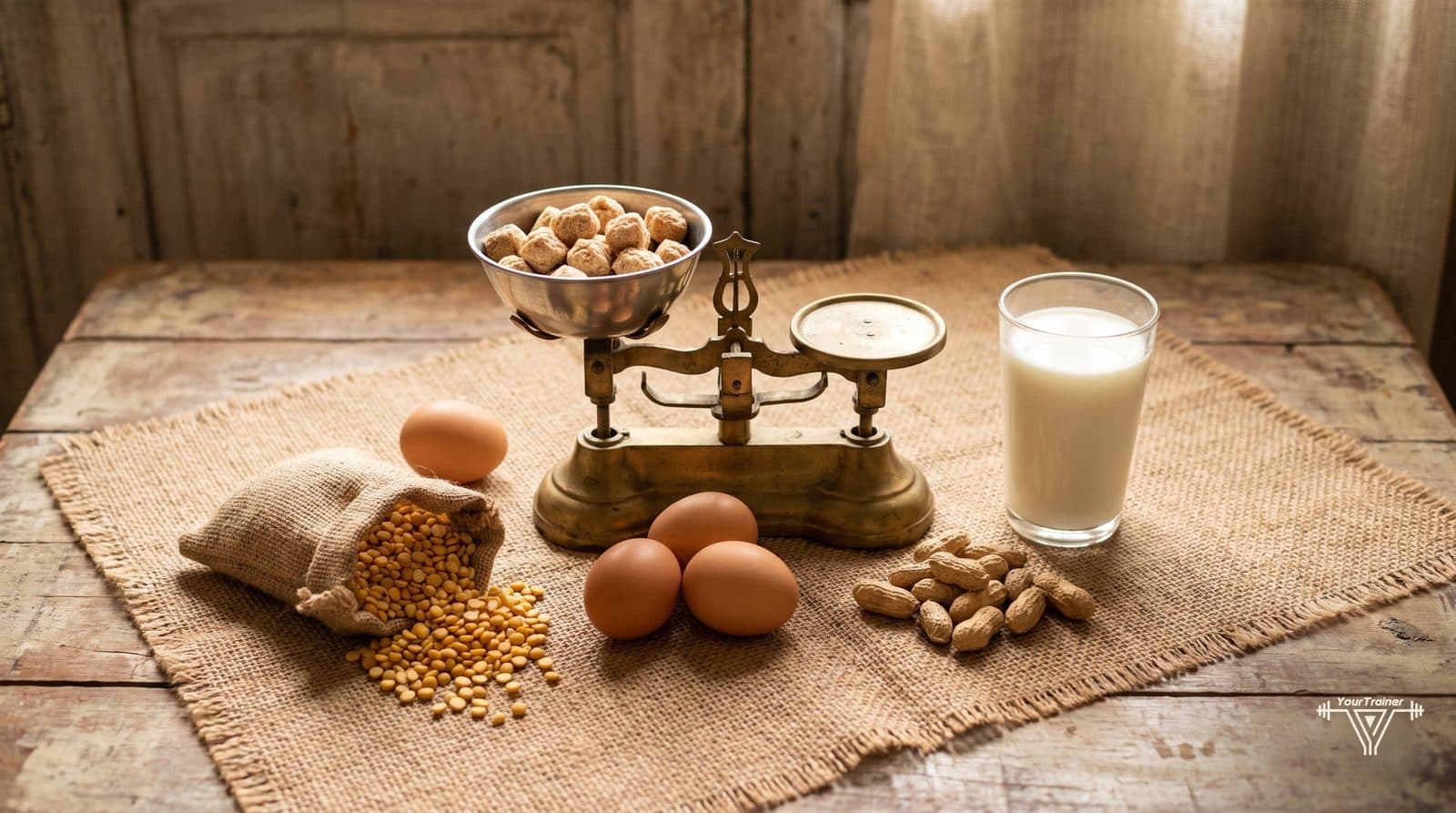
Dal, soya chunks, tofu, sprouts, peanuts, and quinoa can get a vegan Indian diet to 80-100g of protein a day, but it takes more deliberate meal planning than a dairy-inclusive diet does, because paneer and dahi, the two easiest protein boosts in most Indian kitchens, are off the table. The gap isn't protein quantity, which is achievable; it's protein quality (essential amino acid completeness) and volume of food required to get there.
At a Glance
- Best dairy-free Indian sources: soya chunks (52g/100g dry), tofu, dal, chickpeas, peanuts, quinoa
- Combine grains + legumes in the same meal for a more complete amino acid profile
- Vegan protein powders (pea, brown rice, soy blends) close the gap efficiently if food volume is a struggle
- B12 and iron need separate attention on a fully dairy-free vegetarian diet
- Target 1.2-1.6g protein per kg bodyweight, same as any other diet pattern
Why Vegan Is Genuinely Harder Than Vegetarian in an Indian Kitchen
Most Indian "high-protein vegetarian" advice, including a lot of what's on this site, assumes paneer, dahi, and whey are available, because for the majority of vegetarian Indians, they are. Take dairy out and you lose the two highest-protein-per-calorie, most convenient options in a typical kitchen. See our full protein source ranking for context on where dairy sits relative to everything else, it's usually near the top for convenience, which is exactly what a vegan diet has to replace.
The Sources That Actually Work
| Food | Protein per 100g (dry/raw) |
|---|---|
| Soya chunks | ~52g |
| Peanuts | ~25g |
| Moong/masoor dal (raw) | ~24g |
| Chana/rajma (raw) | ~20g |
| Tofu (firm) | ~12-16g |
| Quinoa (raw) | ~14g |
Coaching that does this for you
Reading is step one. A coach turns it into a plan built around your body, food & schedule.
100% online · Indian meal plans · weekly progress reviews · daily WhatsApp support.
Start Your Journey →Solving the Amino Acid Gap
Most plant proteins are individually missing or low in at least one essential amino acid, dal is low in methionine, rice is low in lysine. Eating grains and legumes together (dal-chawal, or soya chunks with rice) supplies the full amino acid set across the combined meal, which is why that pairing exists in Indian food culture already, independent of protein science. See our plant protein digestibility piece for what the actual research says about absorption rates versus animal protein.
A Sample Vegan-Indian Day at ~85g Protein
- Breakfast: Moong dal chilla (2 large) + peanut chutney, ~22g
- Lunch: Rajma-chawal, extra-large rajma portion (1.5 katori), ~24g
- Snack: Roasted chana or soya chunks (30g dry) + fruit, ~18g
- Dinner: Tofu bhurji (150g) + roti (2), ~21g
When to Add a Vegan Protein Powder
If hitting your target from food alone means uncomfortably large meal volumes, common for smaller-appetite or higher-bodyweight-target individuals, a pea, brown rice, or soy-blend vegan protein powder closes the gap without the digestive load of eating another full katori of dal. Check the protein calculator for your actual daily target before deciding whether food alone gets you there.
The Two Nutrients to Watch Separately
Vitamin B12 exists almost nowhere in plant food naturally, so a fully dairy-free vegetarian (vegan) diet needs a B12 supplement or fortified food regardless of protein intake, this isn't optional. Iron absorption from plant sources is also lower than from meat, so pairing iron-rich foods (dal, spinach) with vitamin C (lemon, tomato) at the same meal meaningfully improves uptake.
Related reading: creatine for Indian women and the high-cholesterol diet guide.
 Member starter kitWhich protein or creatine to buySee the supplement picksNot affiliated. We earn nothing from the links.
Did you find this helpful?
About Anish Agarwal
Founder & Head Coach, YourTrainer · NASM & K11 Certified Personal Trainer · coaching since 2022
Featured in Dietitians.io, Fitness Interview, NRI Pulse. Press and media
Anish Agarwal is a NASM and K11 certified personal trainer coaching fat loss, body transformation, strength, and nutrition for clients across India since 2022. He founded YourTrainer to make expert, science-based coaching accessible online and in Bengaluru. Coach Anish's profile and the YourTrainer story.
Online 1-on-1 Coaching
Start Your Journey
Get a personalised training + Indian nutrition plan built around your goal, coached online, anywhere in India or abroad.
Trusted by 1,000+ clients coached across India & abroad
Free 30-min discovery call · No obligation