
Free tools, no sign-up
Fitness and diet calculators built for Indian food
19 free calculators for calories, protein, macros, katori portions, BMI and cost. Portions are in katoris and rotis, not cups. Metric or imperial, instant, no sign-up.
- Katori and roti portions
- Indian food database
- Formulas and sources shown
Most used
Start with these six
- 01Indian Food CaloriesBuild a plate, get calories and macros
- 02Katori ConverterKatori and roti to grams and calories
- 03Weight Loss TimelineHow long to lose X kg, honestly
- 04Trainer Cost CalculatorWhat a personal trainer costs for your city
- 05Calorie and TDEE CalculatorMaintenance calories and your daily target
- 06Macro CalculatorProtein, carbs and fat split
Order of use
Three tools, one plan
Set the calories
Use the calorie calculator for a daily target, and the TDEE calculator if you want the maintenance figure behind it.
Split the macros
The macro calculator divides that target into protein, carbs and fat, so you know what a plate has to carry.
Check the plate
Build a real meal in the Indian food calculator, or convert katoris into grams with the katori converter.
All tools
Every calculator, by goal
Filter by goal or search. Each card gives the one thing the tool answers.
19 of 19 tools
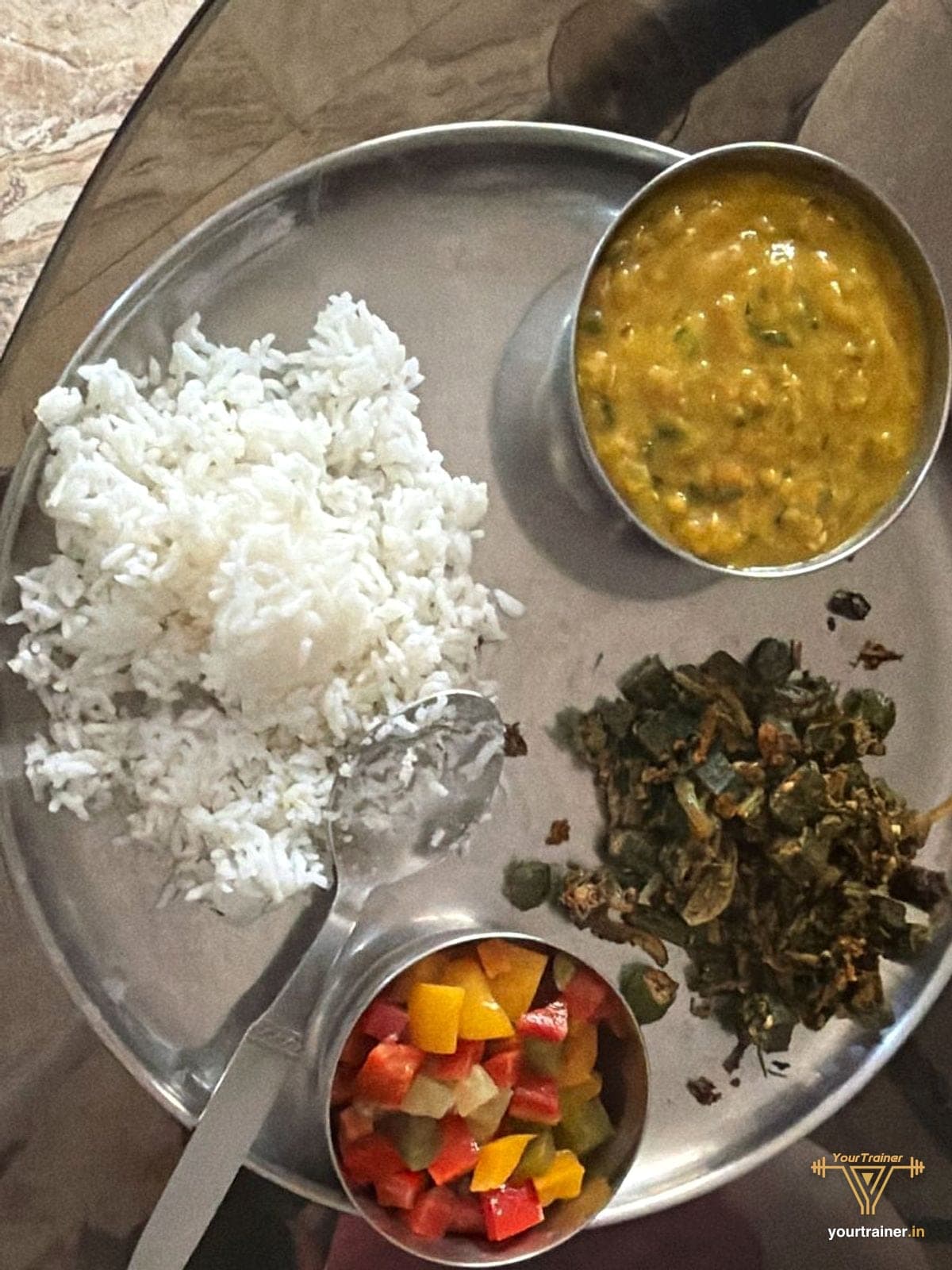
Food and calories
Calories, macros and what a real Indian plate weighs in grams.
- Macro CalculatorProtein, carbs and fat split
- Calorie and TDEE CalculatorMaintenance calories and your daily target
- Indian Food CaloriesBuild a plate, get calories and macros
- Katori ConverterKatori and roti to grams and calories
- Healthy Fast Food FinderBest orders at McDonald's, KFC, Burger King and Subway
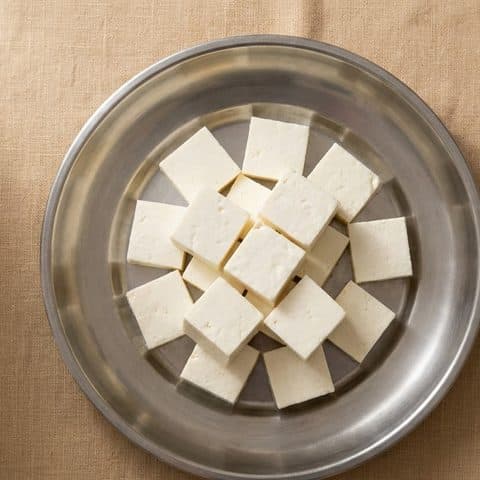
Protein
Daily protein, egg protein and the cheapest grams of it.
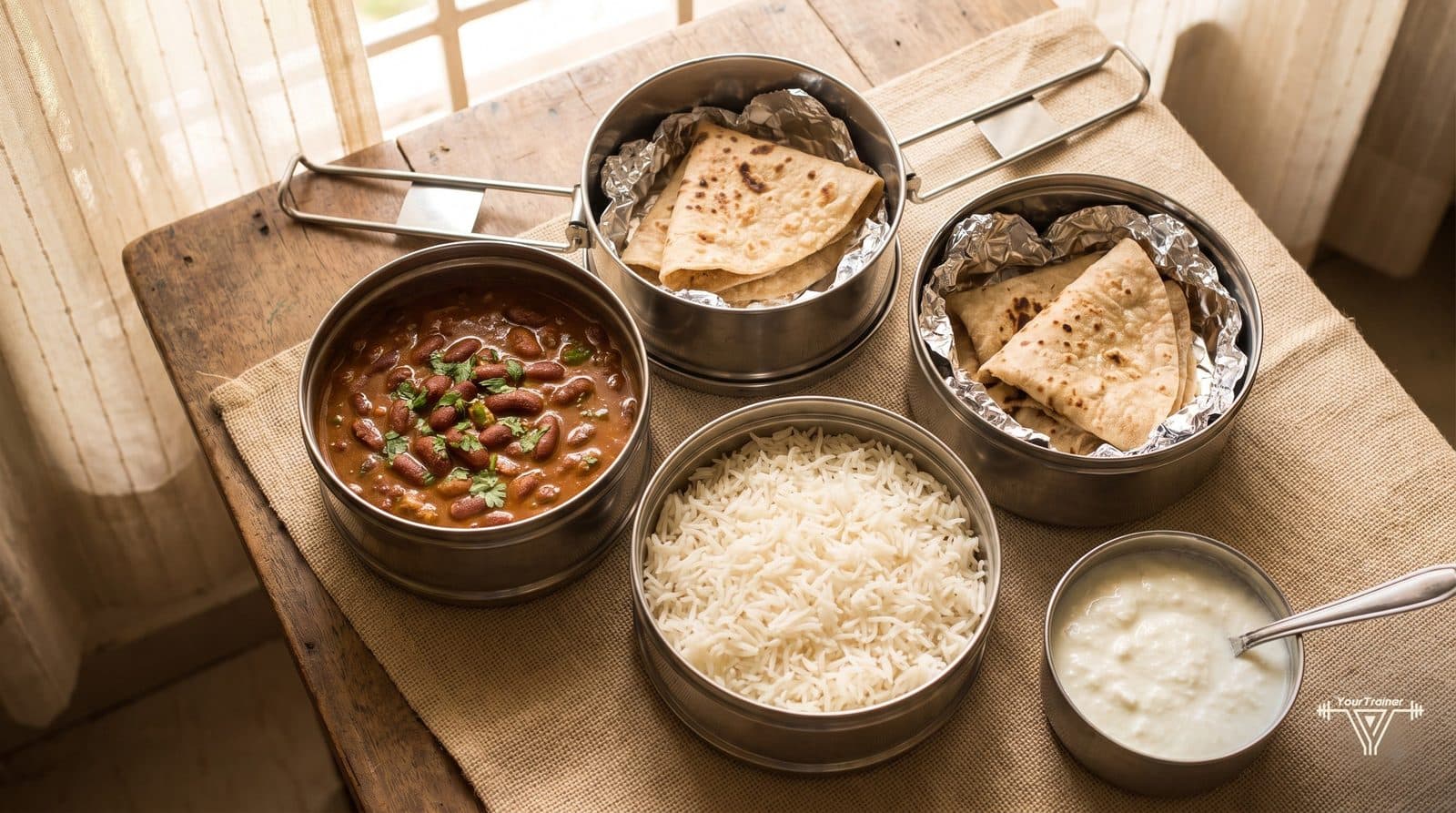
Weight loss
How long a change takes, and a week you can actually keep.
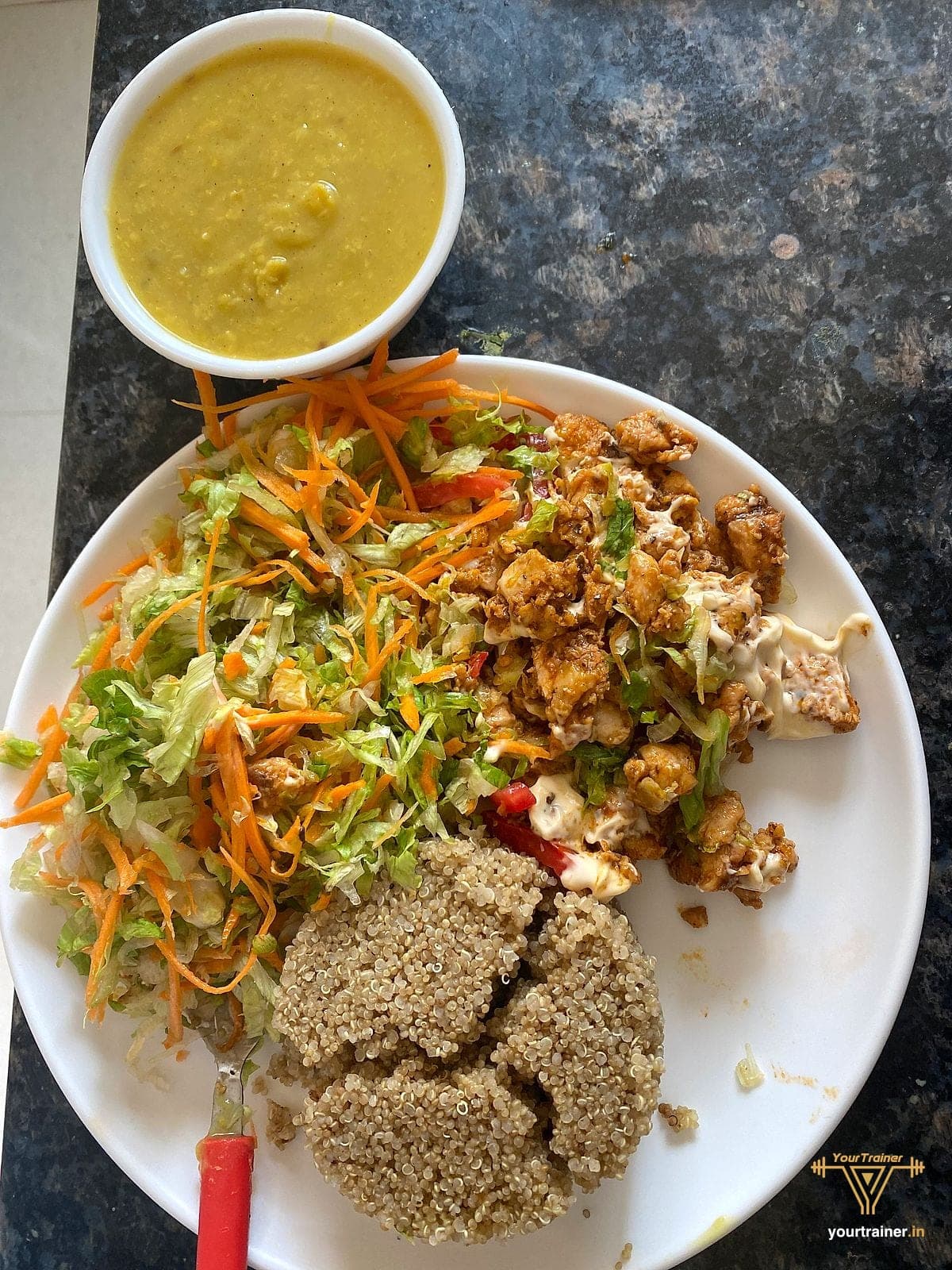
Body
BMI, body fat and ideal weight, read as ranges.
Cost
What coaching and a home gym cost, by city or item.
Health markers
Blood-test style checks, with the food swaps that matter for them.
How the numbers are worked out
The formulas behind the tools
Energy at rest: Mifflin St Jeor
The calorie and TDEE tools start from resting energy, estimated with the Mifflin St Jeor equation, which was derived from 498 healthy adults measured by indirect calorimetry.[1]
REE = 9.99 x kg + 6.25 x cm minus 4.92 x age, plus 5 (men)
REE = 9.99 x kg + 6.25 x cm minus 4.92 x age, minus 161 (women)
Protein: a range, not one number
The protein tools use an intake range rather than one number. The ISSN position stand reports 2.3 to 3.1 g per kg a day for resistance-trained people during calorie deficits.[4]
Weight loss is slow
Body weight responds to a change in intake slowly, with half times of about one year in the Hall model. That is why the timeline tool shows a range, not a date.[3]
The Indian plate is low in protein
India's national diet survey found carbohydrates give 62.3% of daily energy and protein 12%, below the 15% guideline. That gap is what the food tools are built to show.[2]
Sources
- Mifflin MD, St Jeor ST et al. A new predictive equation for resting energy expenditure in healthy individuals. Am J Clin Nutr 1990;51(2):241-7. doi.org/10.1093/ajcn/51.2.241
- Anjana RM et al. ICMR-INDIAB national diet and metabolic survey. Nature Medicine 2025. www.nature.com/articles/s41591-025-03949-4
- Hall KD et al. Quantification of the effect of energy imbalance on bodyweight. Lancet 2011;378(9793):826-37. doi.org/10.1016/S0140-6736(11)60812-X
- Jager R et al. ISSN position stand: protein and exercise. J Int Soc Sports Nutr 2017;14:20. doi.org/10.1186/s12970-017-0177-8
Food and protein tools
Related pages
Chain menus and protein prices, checked against the same numbers our calculators use.
FAQ
Frequently asked questions
Are these fitness calculators free?
Yes. Every calculator on this page is free and needs no sign-up. Enter your details and the result shows at once, in metric or imperial units.
Which calculator should I start with?
For fat loss, start with the calorie calculator to set a daily target. Then split it with the macro calculator and check your protein with the protein calculator. To plan the timeline, use the weight loss timeline calculator.
Why do the food tools use katoris and rotis instead of cups?
Because that is how Indian meals are portioned at home. The food tools convert katori, roti, glass and spoon into grams, calories and protein, so you can check a plate against the numbers without a kitchen scale.
Are the results medical advice?
No. They are estimates from published equations, and each tool lists its formula and sources below the calculator. If you take medicine or have a condition such as diabetes, your doctor stays in charge of your treatment and your targets.
The numbers are the easy part. A coach turns them into a plan you can keep.
Start Your Journey