Office Tiffin: 5 High-Protein Indian Lunch Boxes That Survive Till 1 PM
Dabba lunches that still taste right after four hours in a bag. Five Indian tiffin combos at 30 g plus protein each, and the packing rules that stop sogginess.
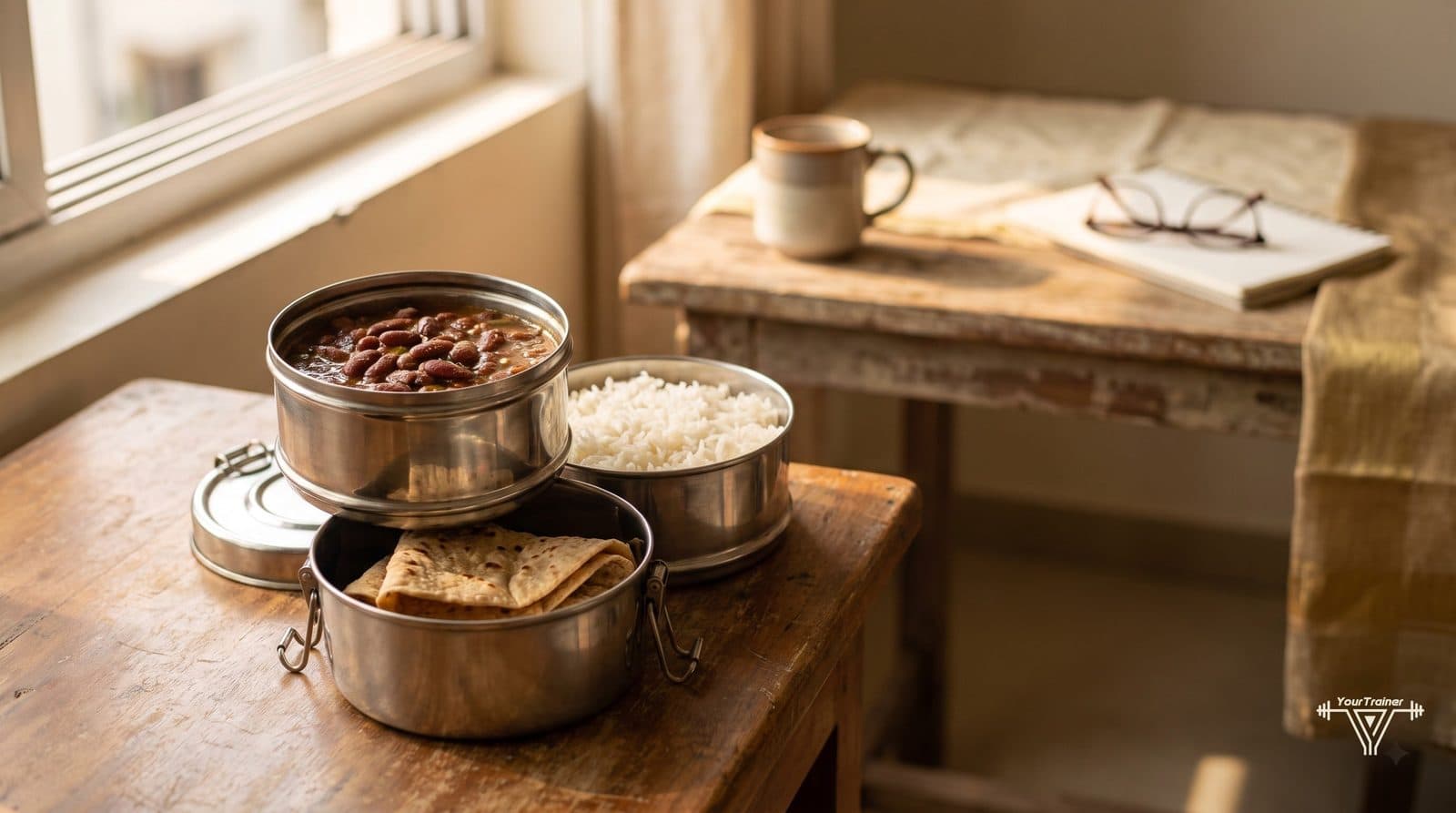
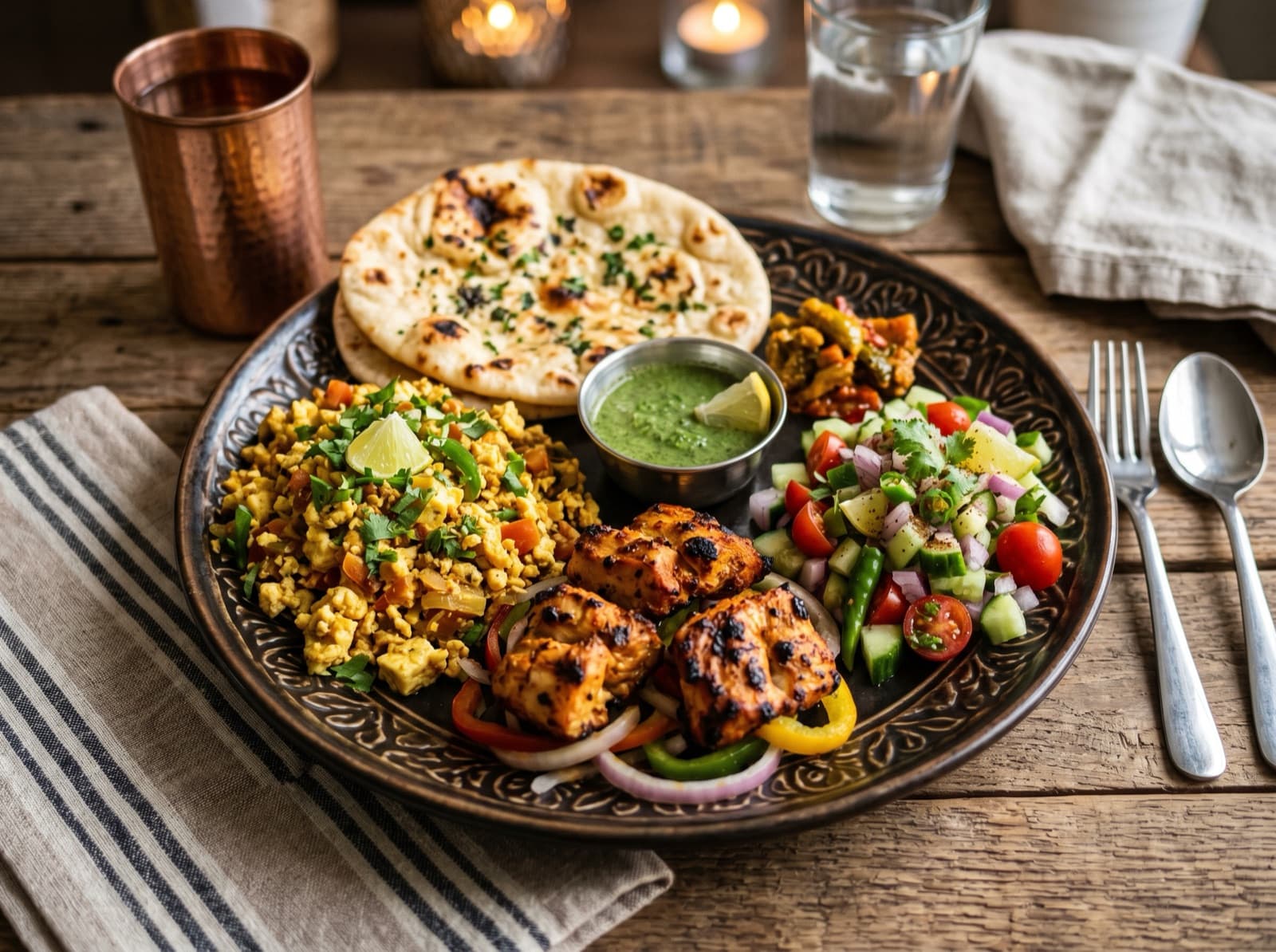
Quick answer: A good Indian office tiffin hits 30 to 35 g of protein and survives four hours without refrigeration. The five that work: rajma rice, paneer bhurji with roti, soya chunk pulao, egg curry with roti, and a sprouts curd bowl. Pack wet and dry components separately and never seal hot food.
Recipe at a Glance
Why Most Office Tiffins Fail
The typical dabba is two or three rotis, a sabzi and maybe rice. That is 350 to 450 calories with 8 to 10 g of protein. It is not that it is unhealthy, it is that it does not hold. By 4 pm the protein has done nothing for satiety and the office biscuit tin or the samosa cart wins.
The fix is structural rather than restrictive: put a real protein anchor in the box. Everything below is built to be cooked in an Indian home kitchen, carried in a steel dabba, and eaten at room temperature.
From our coaching data: In a sample of member food logs from 19 Apr to 21 Oct 2026, about a third of members log rice, roti or dal. The five lunch boxes below start from those staples and add protein to reach 30 g.
1. Rajma and Rice
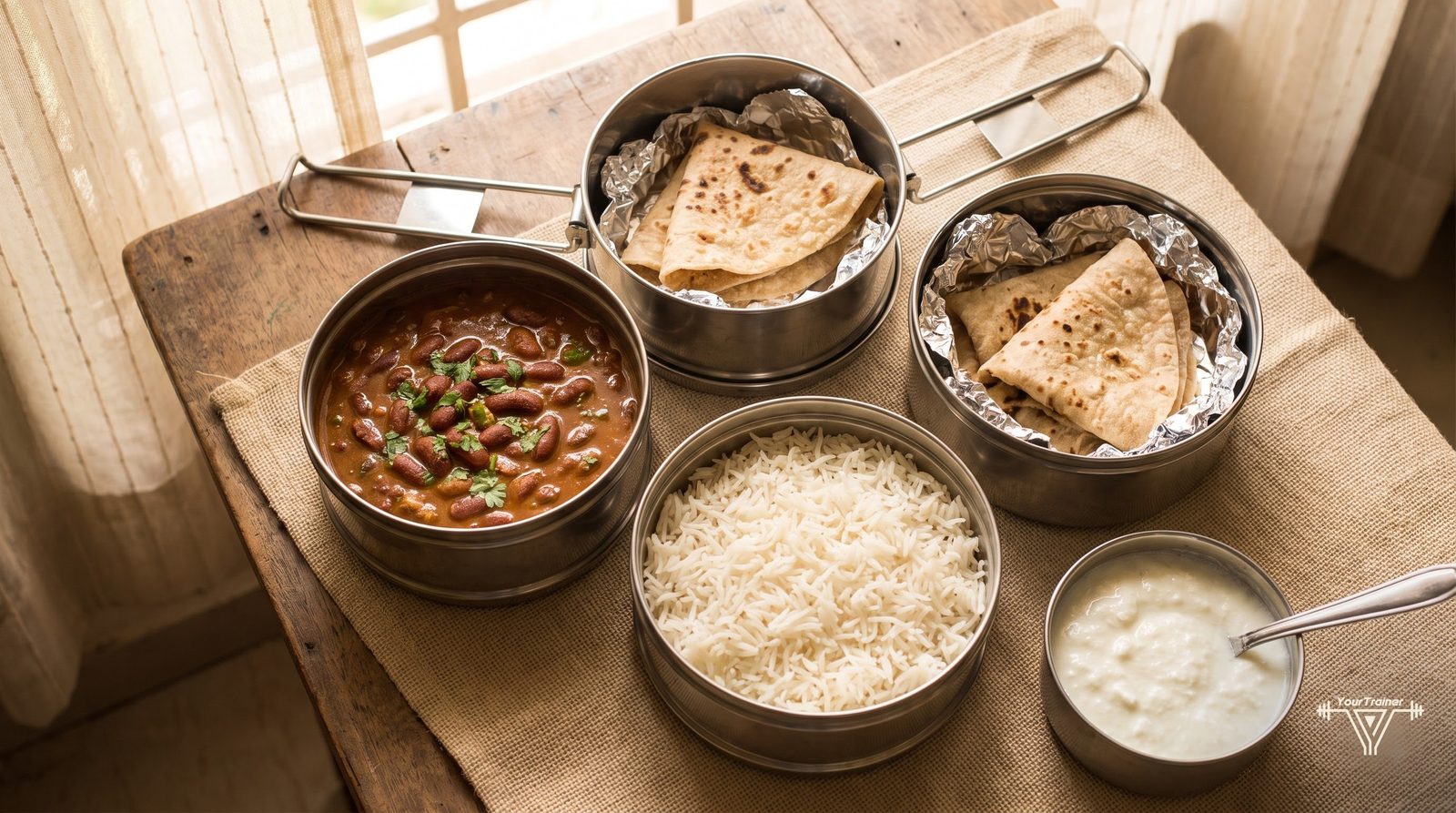
The default North Indian office lunch, and one of the better ones on protein once you fix the ratio. Most people pack two katoris of rice to one of rajma. Reverse it.
- Pack: 1.5 katori rajma curry, 1 katori rice
- Protein: about 17 g
- Calories: about 460
- Upgrade: add a small container of curd for 5.4 g more and a cooling counterpoint
Rajma improves on day two, which makes it the single best Sunday-prep candidate on this list.
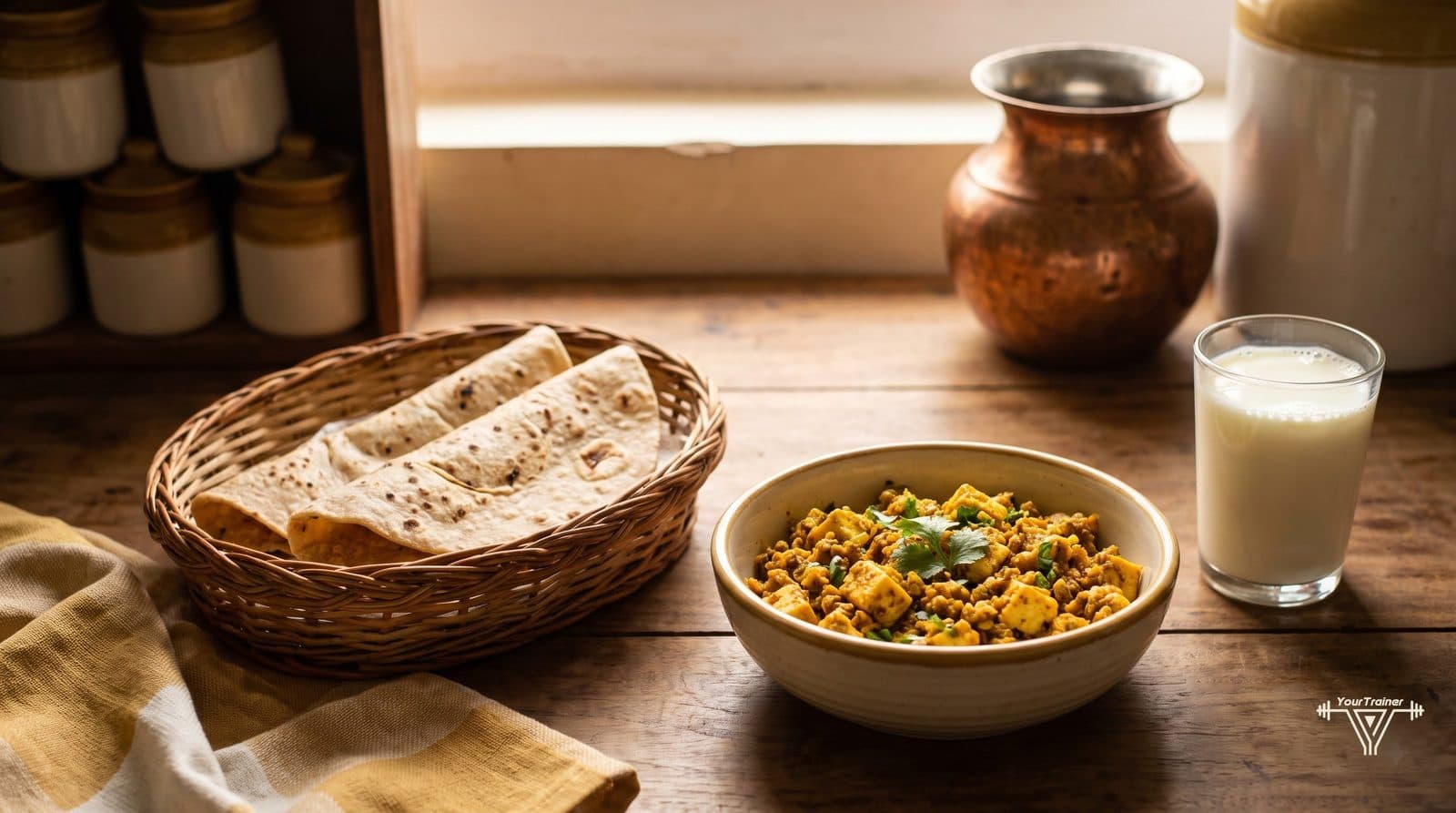
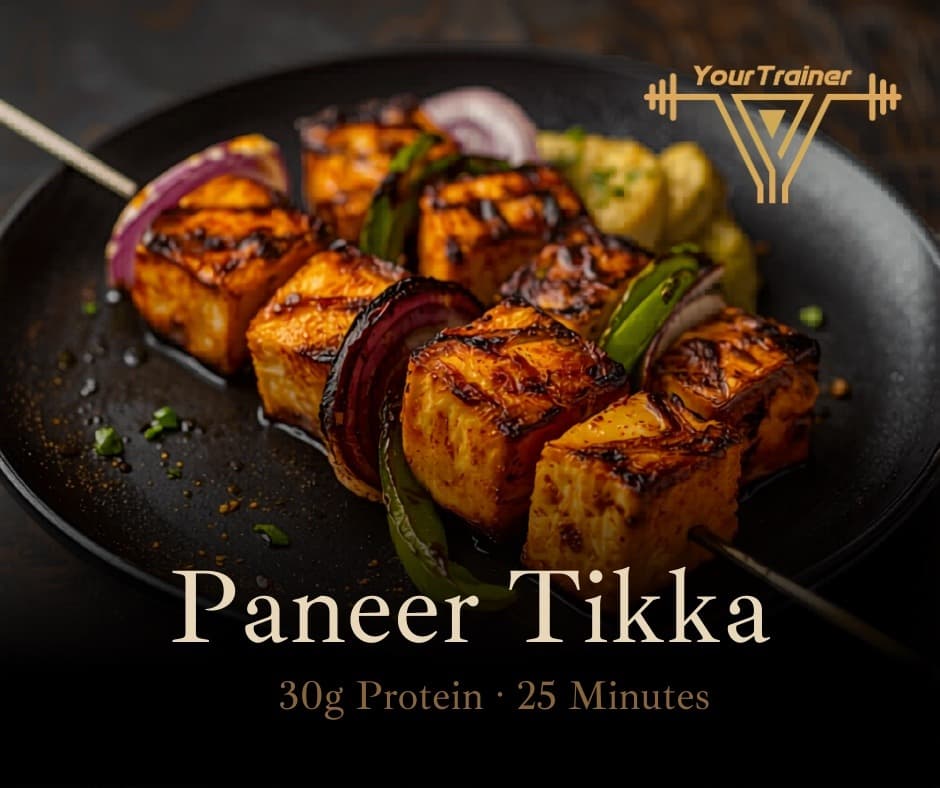
2. Paneer Bhurji with Roti
The highest protein-per-effort option. Crumbled paneer cooked with onion, tomato and turmeric takes twelve minutes and holds temperature well.
- Pack: 1 katori paneer bhurji, 2 rotis
- Protein: about 26 g
- Calories: about 545
- Note: use 150 g paneer per box, not the 60 g most recipes suggest
Paneer bhurji is also the most forgiving dish here at room temperature, because there is no gravy to separate.
Coaching that does this for you
Reading is step one. A coach turns it into a plan built around your body, food & schedule.
100% online · Indian meal plans · weekly progress reviews · daily WhatsApp support.
Start Your Journey →3. Soya Chunk Pulao
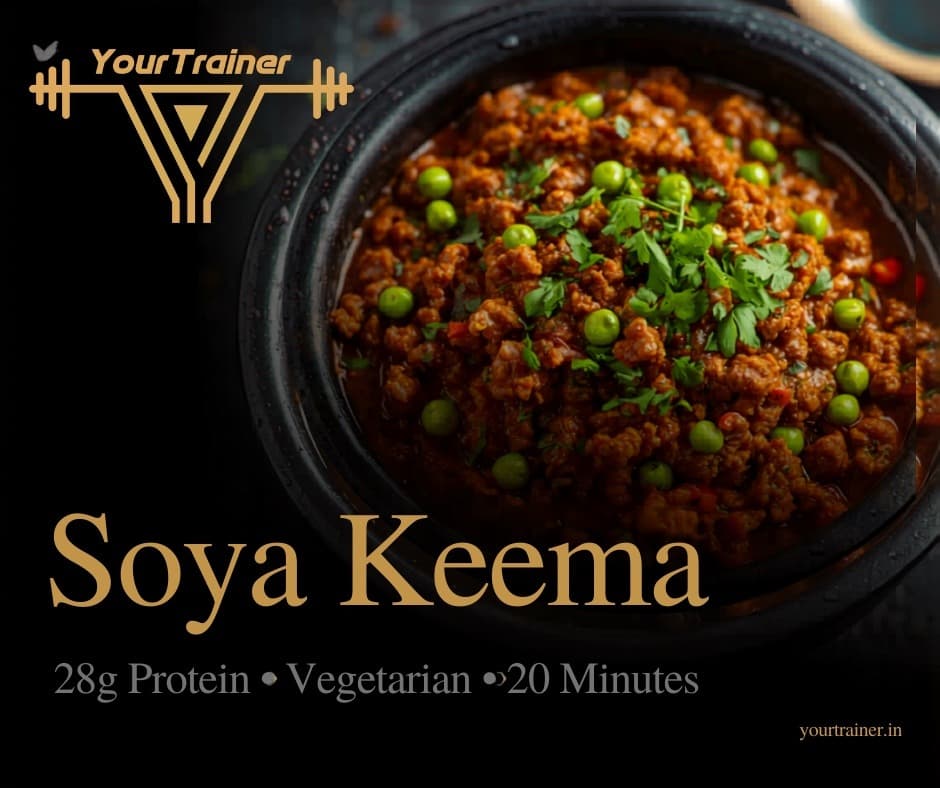
The cheapest high-protein box in India by a distance. Soya chunks deliver about 26 g of protein per cooked katori for roughly 172 calories, at a cost per gram of protein that nothing else matches.
- Pack: 1 katori soya pulao, small cucumber raita
- Protein: about 32 g
- Calories: about 420
- Tip: squeeze soaked chunks dry before cooking or the texture goes spongy by lunch
4. Egg Curry with Roti
For eggetarians, two boiled eggs in a tomato onion gravy is a complete box with excellent amino acid quality.
- Pack: 2 egg curry, 2 rotis
- Protein: about 20 g
- Calories: about 480
- Tip: halve the eggs before packing so the gravy reaches the yolk
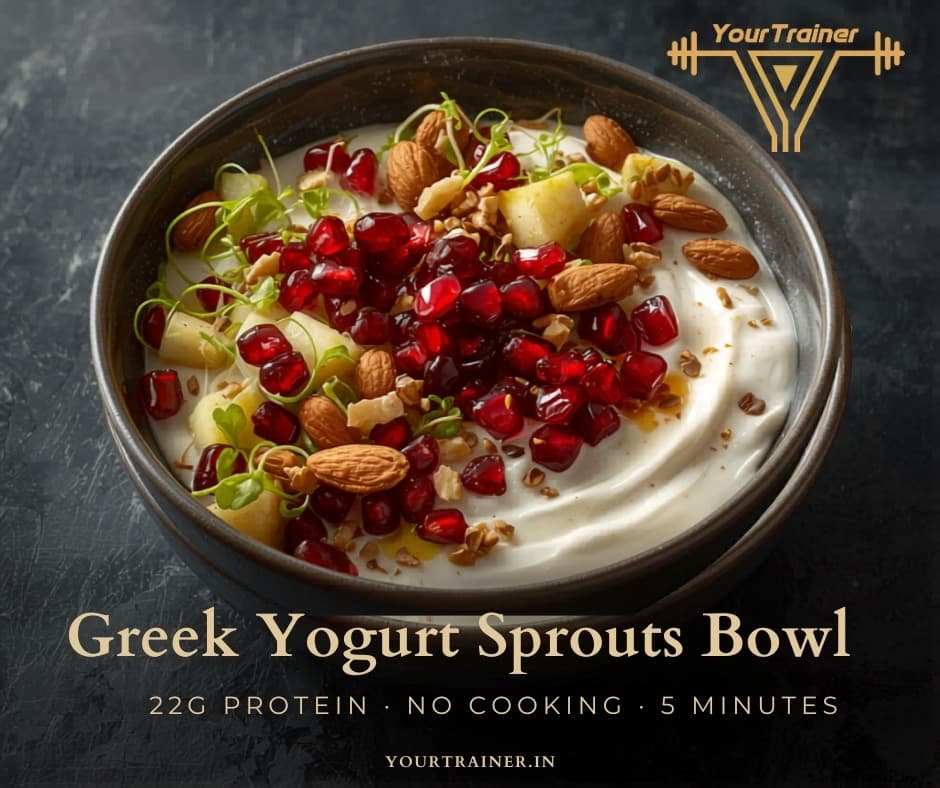
5. Sprouts and Curd Bowl
The no-cook option, and the best choice on the hottest days when gravies are a risk. Boiled moong sprouts with onion, tomato, lemon and chaat masala, with curd in a separate container.
- Pack: 1.5 katori sprouts chaat, 1 katori curd
- Protein: about 24 g
- Calories: about 320
- Note: the highest fibre box here, which is what actually kills the evening snack urge
The Packing Rules
Recipes fail in dabbas for mechanical reasons, not nutritional ones. Four rules cover most of it:
- Cool before sealing. Five minutes with the lid off. Trapped steam is what makes rotis rubbery.
- Separate wet from dry. Gravies in steel with a tight lid, rotis in foil or a cloth-lined box.
- Salt salads at the office, not at home. Salt pulls water out of cucumber and onion within an hour.
- Curd needs an ice pack above 25 degrees. Otherwise swap it for paneer or skip it in peak summer.
Sunday Prep, Honestly
You do not need to cook five different things. Make two gravies on Sunday (rajma and egg curry, or chole and paneer bhurji), boil sprouts, and rotate them across the week with fresh rotis each morning. That is about 70 minutes of weekend work for five boxes.
To size your own portions, run the boxes through the Indian food calorie calculator and check the totals against your target from the protein calculator.
Related reading: high-protein Indian dinners under 30 minutes, the budget vegetarian gym diet, and sprouts chaat.
Sources
- Indian Food Composition Tables (IFCT) 2017 · ICMR, National Institute of Nutrition
- Nutrient Requirements for Indians (RDA and EAR) · ICMR, National Institute of Nutrition
Figures for Indian foods follow IFCT 2017 (ICMR-NIN). Coaching guidance on this site is educational and is not a substitute for medical advice. See how we use sources.
Did you find this helpful?

About Anish Agarwal
Founder & Head Coach, YourTrainer · NASM & K11 Certified Personal Trainer · coaching since 2022
Featured in Dietitians.io, Fitness Interview, NRI Pulse, The MASALA Study. Press and media
Anish Agarwal is a NASM and K11 certified personal trainer coaching fat loss, body transformation, strength, and nutrition for clients across India since 2022. He founded YourTrainer to make expert, science-based coaching accessible online and in Bengaluru. Coach Anish's profile and the YourTrainer story.
Online 1-on-1 Coaching
Start Your Journey
Get a personalised training + Indian nutrition plan built around your goal, coached online, anywhere in India or abroad.
Trusted by 1,000+ clients coached across India & abroad
Free 30-min discovery call · No obligation