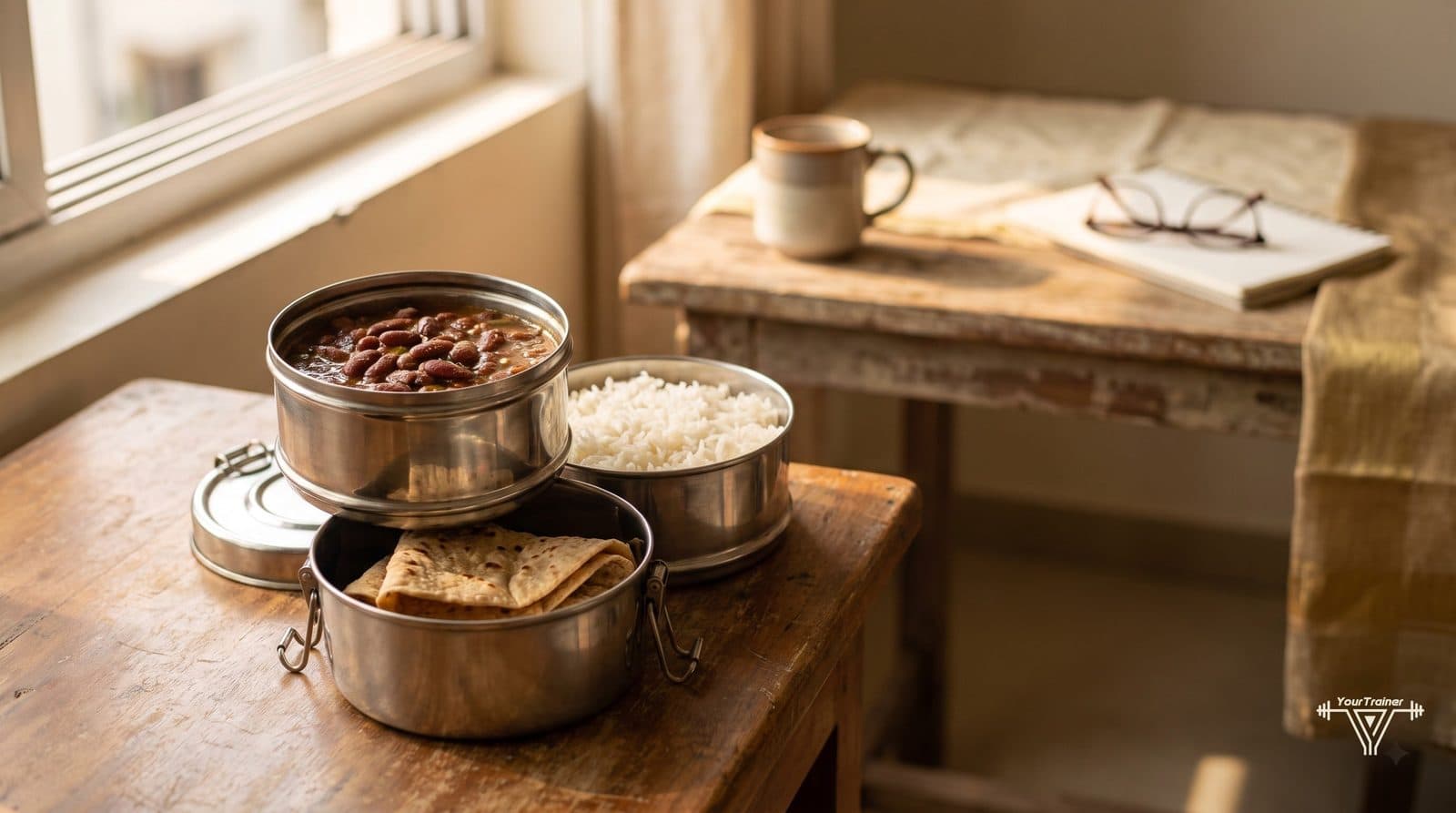
One-Pot High-Protein Khichdi and Pulao (30 g Per Bowl)
Five one-pot Indian meals that hit 30 g of protein in a single bowl. Cooker-friendly, batch-cookable, for nights when nobody wants to cook three dishes.
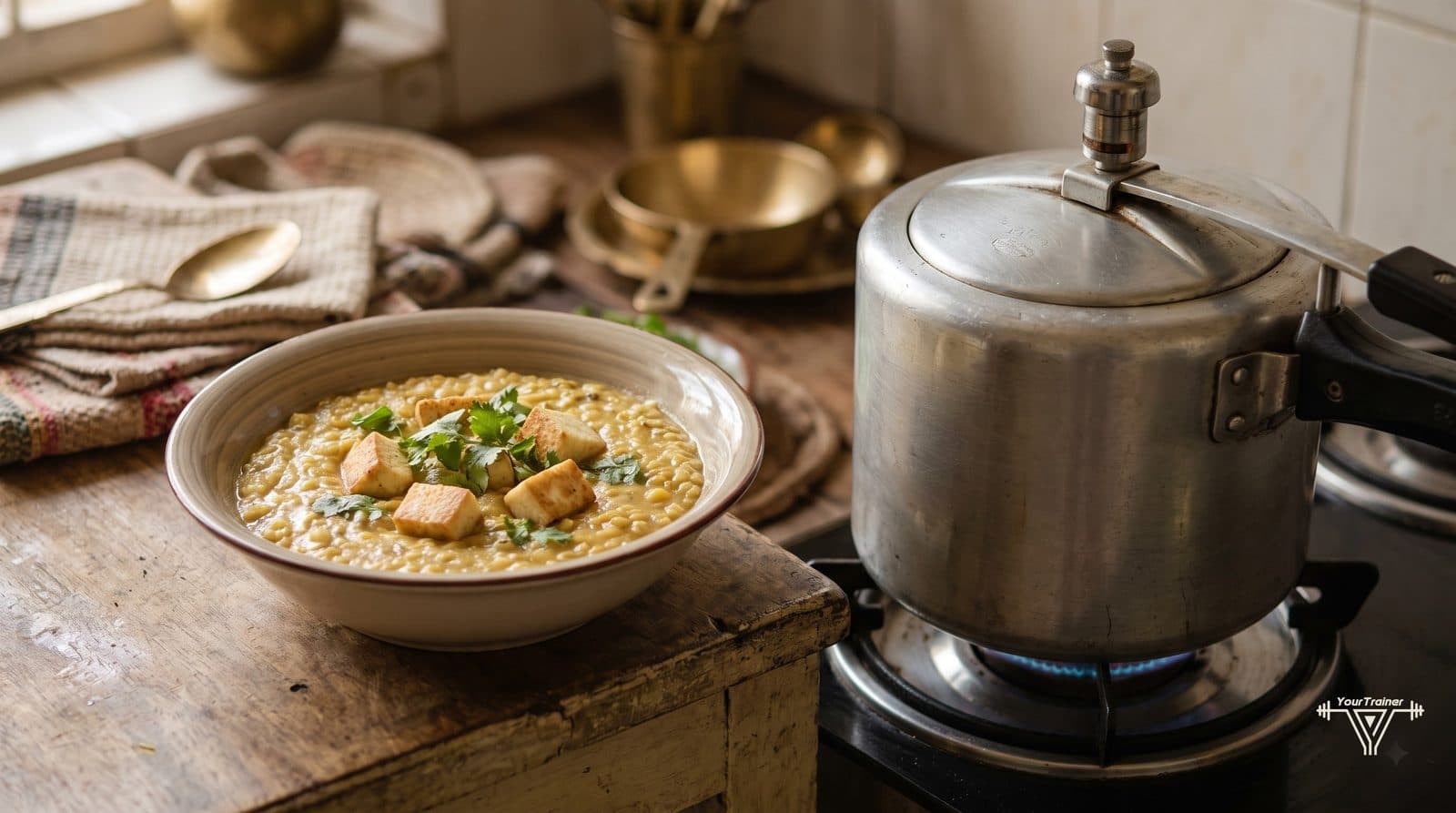
Quick answer: Standard khichdi delivers about 9 to 11 g of protein per katori. Shift the dal to rice ratio to 1:1 and add paneer, soya chunks or curd, and the same bowl reaches 25 to 30 g. Five one-pot versions below, all pressure cooker friendly and good for three days refrigerated.
Recipe at a Glance
Why One-Pot Meals Matter More Than They Sound
Most Indian nutrition advice quietly assumes someone is cooking three dishes. Real weeknights do not work that way, especially in households where both partners work. The realistic alternatives to a three-dish dinner are usually ordering in, or khichdi.
Khichdi is the better option, but the standard version has a protein problem. The classic ratio is one part dal to two or three parts rice, which produces a comforting, carbohydrate-heavy bowl at around 9 to 11 g of protein. That is why the hunger returns by 10 pm.
Every recipe below fixes the same two variables: the dal to rice ratio, and one added protein anchor.
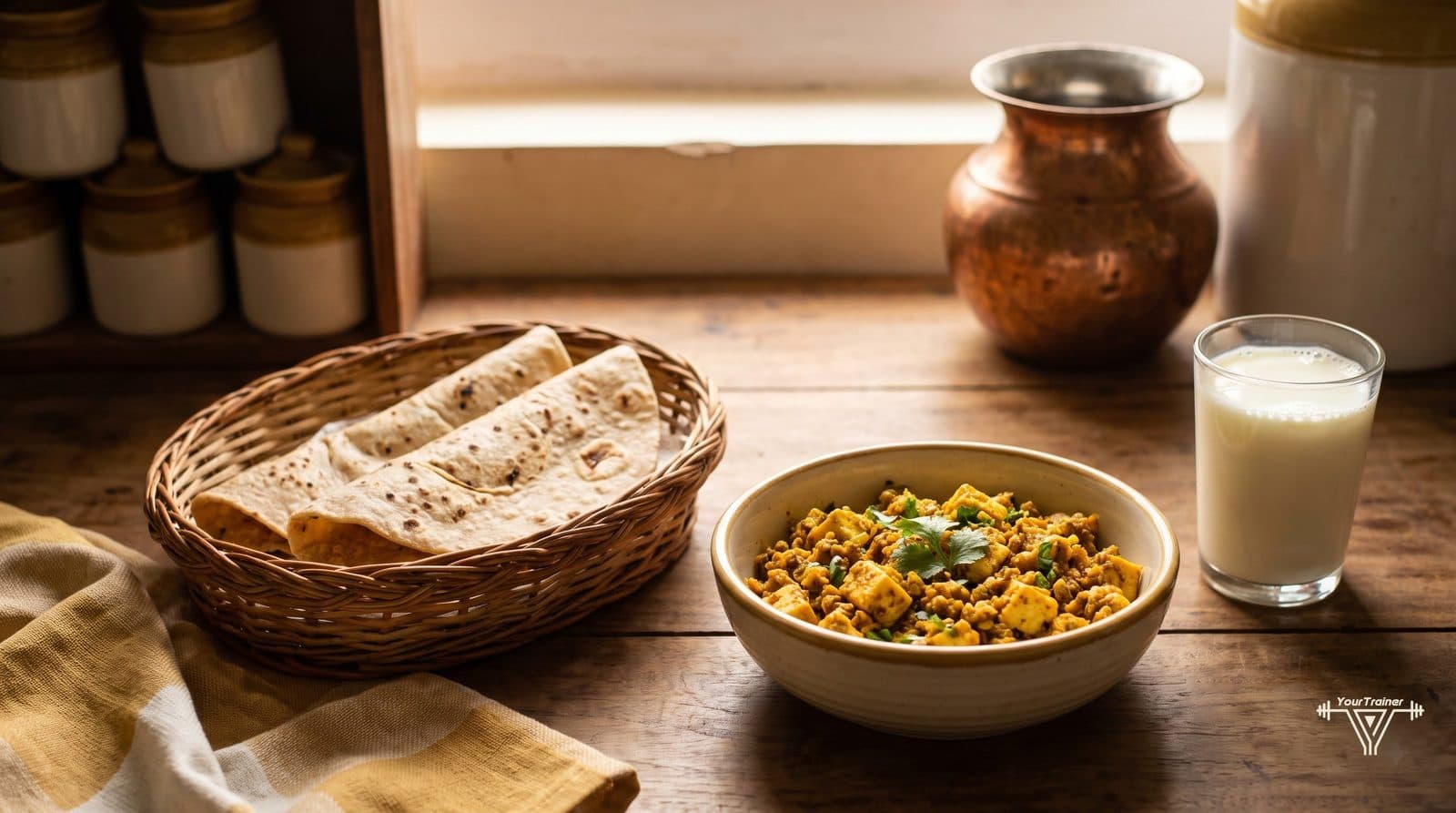
1. Paneer Moong Khichdi
The highest-protein version and the easiest sell to family members who are suspicious of health food.
- Base: 1 part moong dal to 1 part rice, 3 whistles
- Add: 120 g paneer cubes stirred in after pressure release
- Protein: about 30 g per large bowl
- Calories: about 520
Add the paneer at the end rather than pressure cooking it, or it turns rubbery.
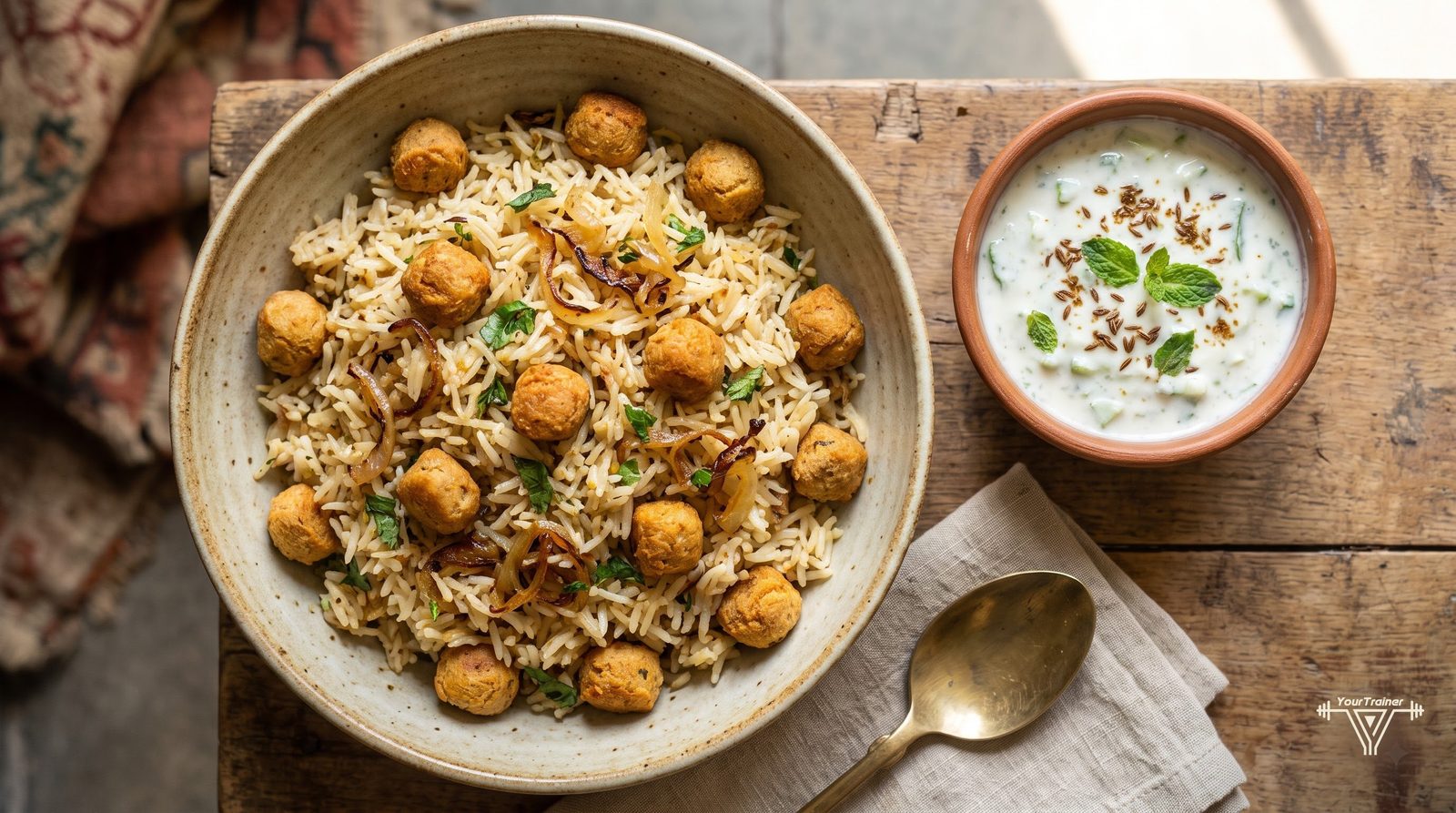
2. Soya Chunk Pulao
The cheapest way to put 30 g of protein in a bowl anywhere in India.
- Base: 1 katori rice, standard pulao masala
- Add: 1 katori soaked and squeezed soya chunks
- Protein: about 32 g
- Calories: about 420
Squeeze the soaked chunks properly dry before they go in. Skipping that step is why soya sometimes tastes spongy and faintly of the packet.
3. Chana Pulao
Kabuli chana brings protein and a large amount of fibre, which is what makes this the most filling bowl on the list per calorie.
- Base: 1 katori rice
- Add: 1 katori boiled chana, plus curd on the side
- Protein: about 20 g, or 25 g with the curd
- Calories: about 490
4. Egg Khichdi
For eggetarians, folding two beaten eggs through hot khichdi at the end works like a savoury porridge and takes ninety seconds.
- Base: 1:1 moong dal khichdi
- Add: 2 eggs stirred through off the heat
- Protein: about 26 g
- Calories: about 470
Coaching that does this for you
Reading is step one. A coach turns it into a plan built around your body, food & schedule.
100% online · Indian meal plans · weekly progress reviews · daily WhatsApp support.
Start Your Journey →5. Chicken Pulao
The non-vegetarian default, and the highest protein density here.
- Base: 1 katori rice
- Add: 150 g chicken, cooked in the same pot
- Protein: about 35 g
- Calories: about 520
The Ratio Change, Isolated
| Dal to rice ratio | Protein per katori | Texture |
|---|---|---|
| 1:3 (common) | about 7 g | Loose, rice forward |
| 1:2 (standard) | about 9 g | Classic khichdi |
| 1:1 (recommended) | about 14 g | Thicker, dal forward |
| 2:1 (dal heavy) | about 18 g | Closer to a thick dal |
Moving from 1:2 to 1:1 costs nothing in effort and adds roughly 5 g of protein per katori before any topping. It is the single highest-return change in this article.
What to Serve Alongside
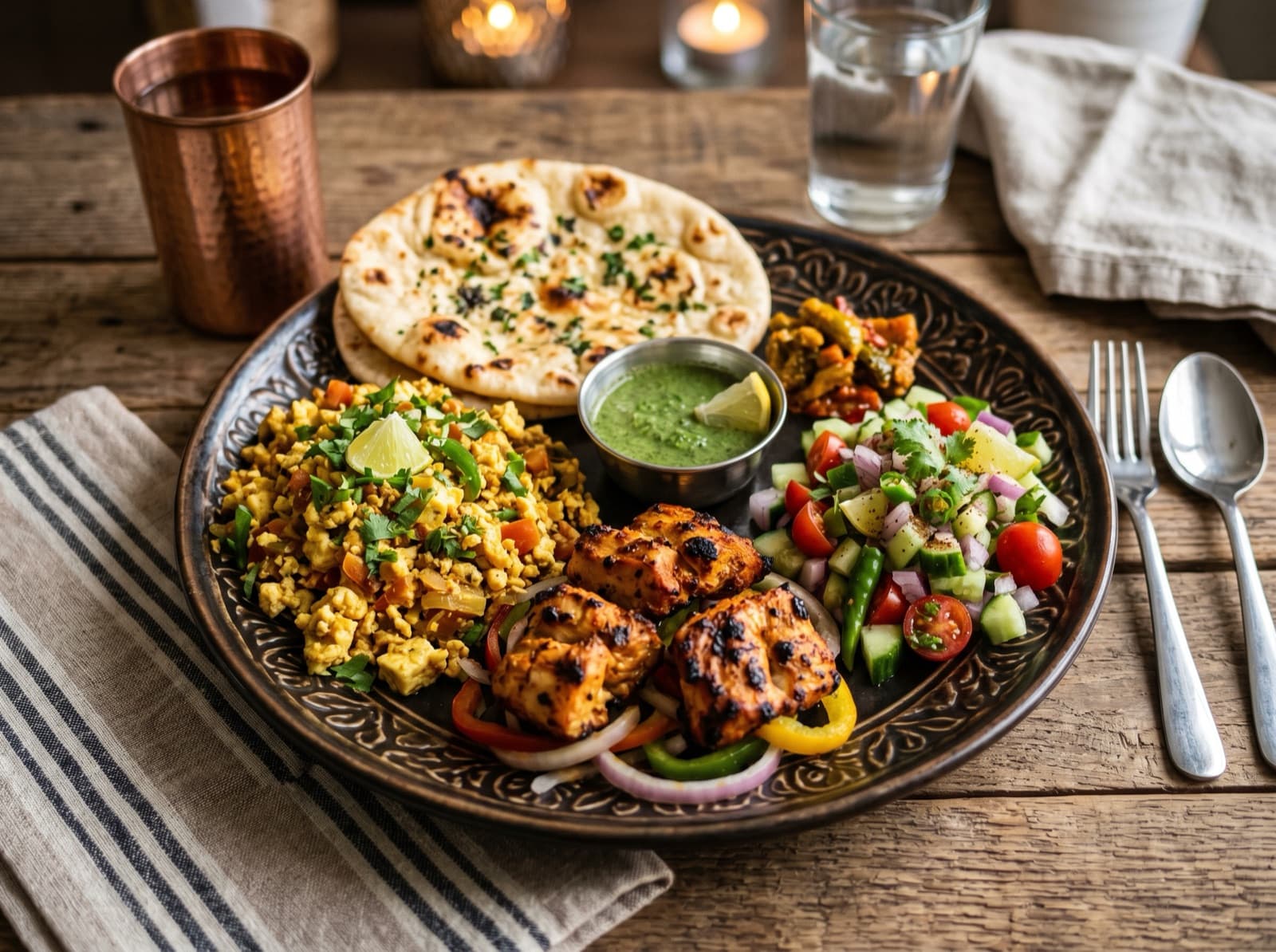
One-pot meals are convenient but not complete. They tend to be light on raw vegetables and calcium. A katori of curd and a plate of cucumber, onion and tomato takes two minutes and closes both gaps.
Check the totals for your own version in the Indian food calorie calculator, and confirm your daily target with the protein calculator.
Related reading: high-protein Indian dinners under 30 minutes, soya keema, and building muscle on vegetarian Indian food.
Sources
- Indian Food Composition Tables (IFCT) 2017 · ICMR, National Institute of Nutrition
- Nutrient Requirements for Indians (RDA and EAR) · ICMR, National Institute of Nutrition
Figures for Indian foods follow IFCT 2017 (ICMR-NIN). Coaching guidance on this site is educational and is not a substitute for medical advice. See how we use sources.
Did you find this helpful?

About Anish Agarwal
Founder & Head Coach, YourTrainer · NASM & K11 Certified Personal Trainer · coaching since 2022
Featured in Dietitians.io, Fitness Interview, NRI Pulse, The MASALA Study. Press and media
Anish Agarwal is a NASM and K11 certified personal trainer coaching fat loss, body transformation, strength, and nutrition for clients across India since 2022. He founded YourTrainer to make expert, science-based coaching accessible online and in Bengaluru. Coach Anish's profile and the YourTrainer story.
Online 1-on-1 Coaching
Start Your Journey
Get a personalised training + Indian nutrition plan built around your goal, coached online, anywhere in India or abroad.
Trusted by 1,000+ clients coached across India & abroad
Free 30-min discovery call · No obligation