Natural Ways to Boost GLP-1 (Ozempic Alternatives) - Indian Guide
Boost your natural GLP-1 hormone without drugs: high-protein Indian foods (dal, paneer, eggs), soluble fibre, post-meal walks, fermented foods, and sleep. Works slower than Ozempic but is free, sustainable, and side-effect-free. Science-backed protocol for Indians and NRIs.
Lifestyle coaching information only. This article covers nutrition and lifestyle habits that naturally support GLP-1 function and appetite control. It is not a substitute for medical treatment, diabetes management, or weight-loss medication. GLP-1 drugs (semaglutide/Ozempic, tirzepatide/Mounjaro) are prescribed medications that require physician supervision. If you have type 2 diabetes, prediabetes, or obesity, consult your doctor before making dietary changes or choosing medication. This article is educational and not medical advice.
Quick answer: GLP-1 is a natural hormone your body produces that controls appetite and blood sugar. You cannot chemically match an injection with diet alone - the drug is far more potent. However, you can meaningfully support your own GLP-1 production and satiety with high protein at every meal (dal, paneer, eggs, curd, soya), soluble fibre (oats, vegetables, legumes, isabgol), eating protein and vegetables before carbs, fermented foods (curd, idli), healthy fats, staying hydrated, a 10–15 minute walk after meals, and good sleep. These habits improve fullness, blunt blood-sugar spikes, and create the calorie deficit needed for fat loss - without monthly injections or ₹8,000–16,000/month costs. The trade-off: natural support is slower and demands consistency, but it is sustainable and comes with no side effects.
What Is GLP-1 and Why Does It Matter?
GLP-1 (glucagon-like peptide-1) is a hormone your gut naturally releases when you eat, especially when you consume protein and fibre. Its jobs are simple but powerful:
- Slows stomach emptying: Food stays in your stomach longer, so you feel full for hours instead of minutes.
- Reduces appetite signals: It tells your brain you are satisfied, making you want less food.
- Stabilizes blood sugar: It helps your pancreas release insulin when you actually need it, preventing spikes and crashes.
- Reduces cravings: By improving satiety and mood stability, it cuts the urge to snack on high-calorie foods.
When your GLP-1 is working well, you eat less naturally, feel fuller longer, and lose weight without fighting constant hunger. The problem: in modern diets high in refined carbs, ultra-processed foods, and low in fibre, many people's GLP-1 signaling gets blunted. Meals of white rice, sugar, and fried snacks trigger little GLP-1 response. That is why Ozempic and Mounjaro - which artificially boost GLP-1 to 100x normal levels - are so powerful: they override your sluggish natural system.
But you can wake up your natural GLP-1. It takes discipline and time, but it is free and permanent.
Why Natural GLP-1 Is Not Ozempic
5 Natural Ways to Boost Your GLP-1
1. Eat Protein at Every Meal
Protein is the strongest trigger for GLP-1 release. When you eat protein, your gut immediately starts producing GLP-1 - more than it does for any other macronutrient. This is why high-protein diets are so effective for satiety and weight loss.
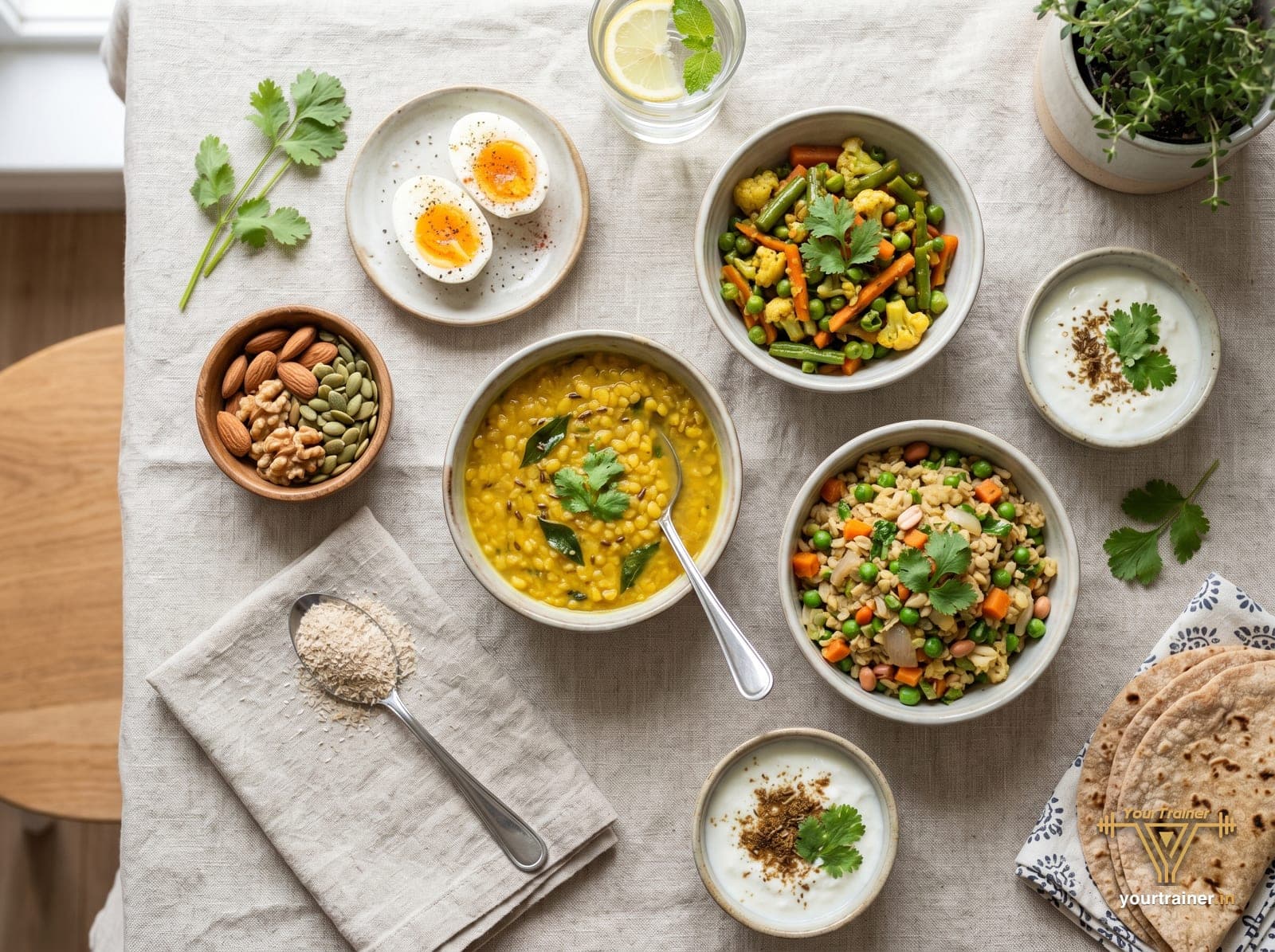
India-friendly high-protein foods:
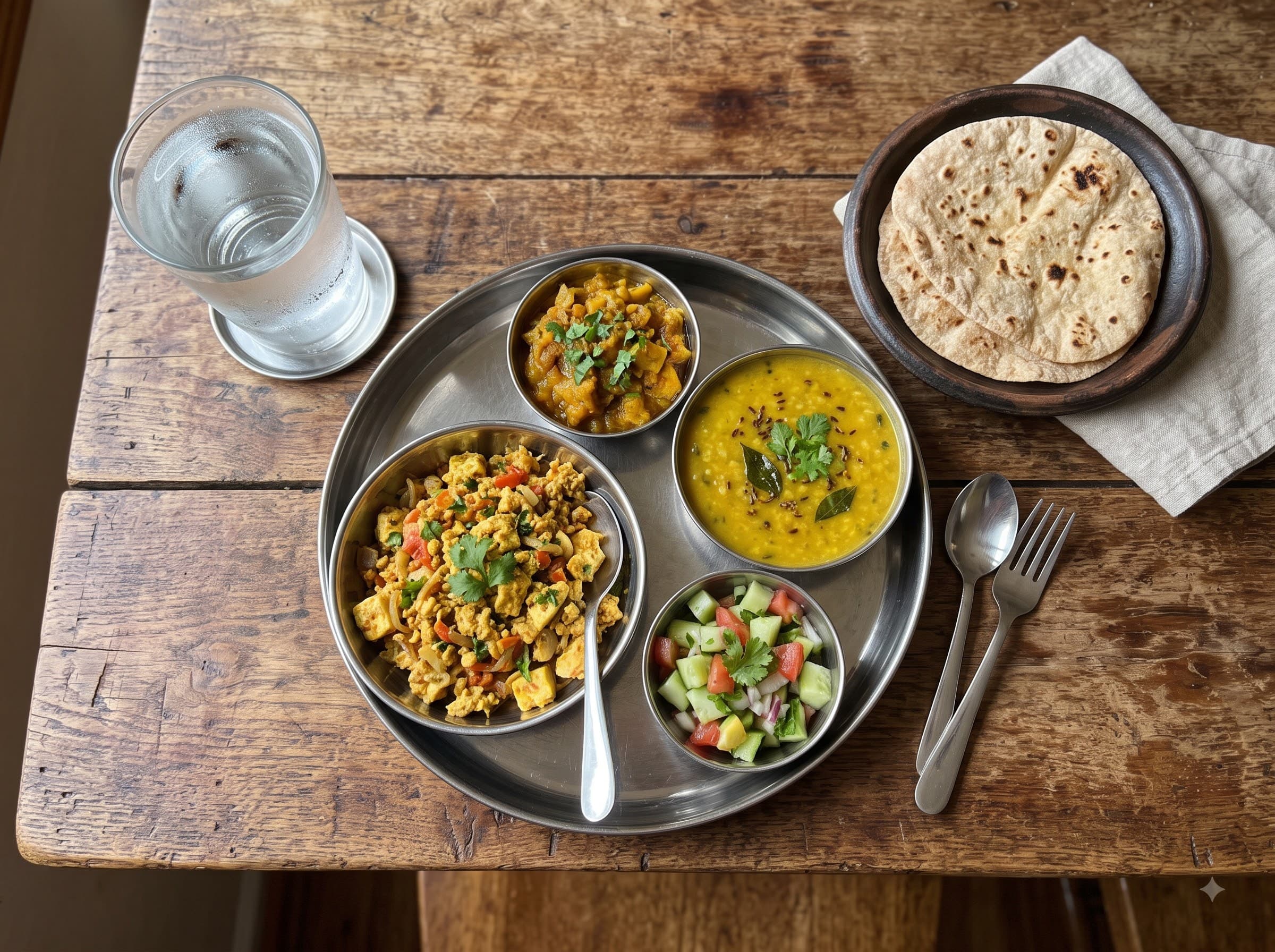
- Dal (lentils): Moong, masoor, chana, urad - all packed with plant protein (15–25g per cooked cup) and fibre. Toor dal curry with rice is your best friend.
- Paneer: 25g protein per 100g, versatile, and satiating. Paneer bhurji, paneer tikka, even paneer in curries add protein.
- Curd (yoghurt): 10g protein per 200ml cup. Raita, lassi, or plain curd with meals.
- Eggs: 6g protein per egg. Eggs are the cheapest, quickest protein in India. Scrambled, boiled, or in dosa batter.
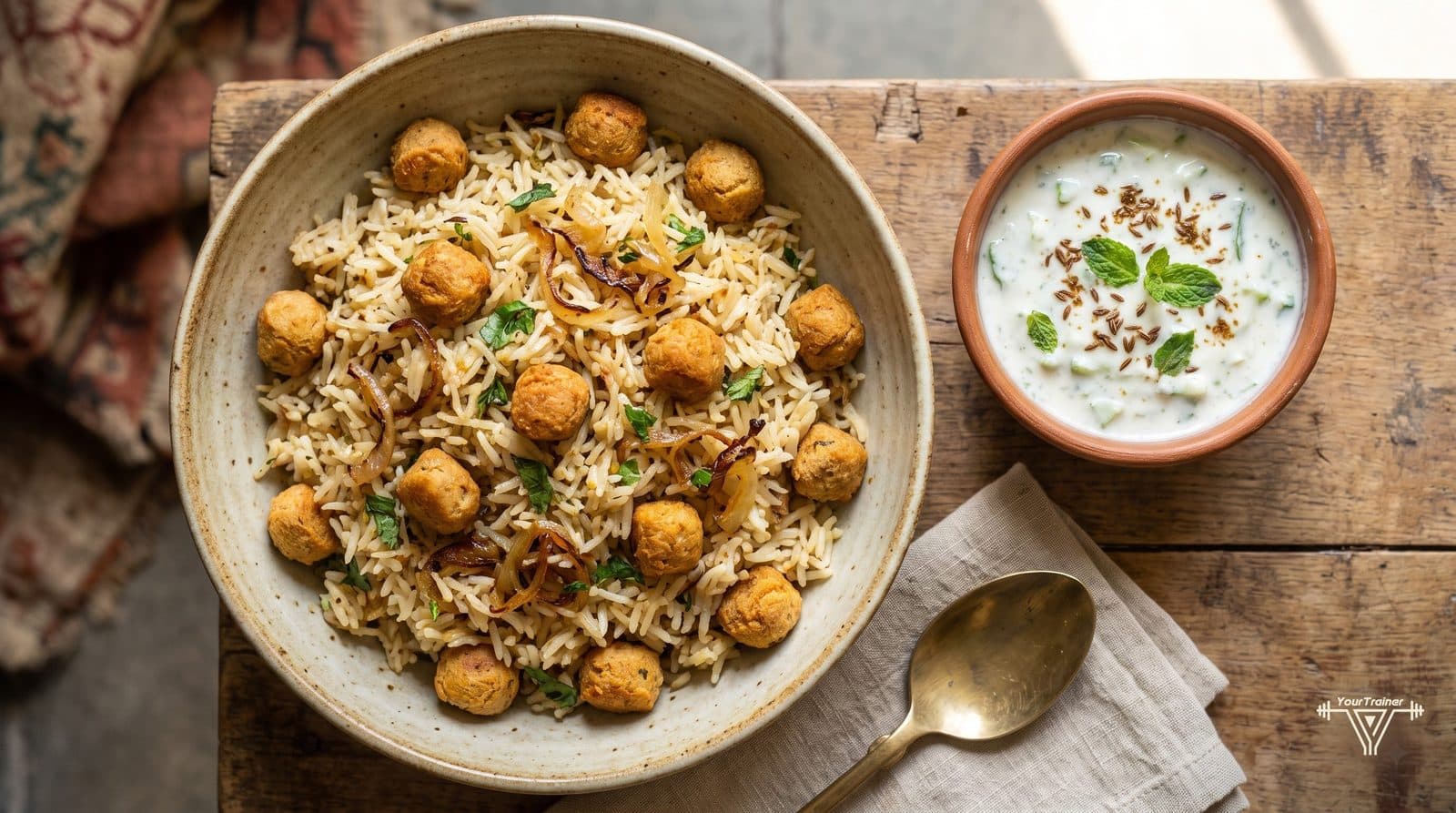
- Soya chunks/tofu: 15–20g protein per 100g (dry soya chunks). Curry, stir-fry, or add to dal.
- Chicken/fish (non-veg): 25–30g per 100g. Tandoori, curry, or grilled.
- Milk: 3g protein per 100ml. A glass of milk with breakfast or as a bedtime drink.
Target: Aim for 25–35g protein per meal, 3 times daily. That is roughly one palm-sized piece of paneer, or 1 cup cooked dal, or 3 eggs, or 100g chicken. Spread protein across the day, not just dinner, so you trigger GLP-1 at every meal.
2. Add Soluble Fibre to Every Meal
Soluble fibre (the kind that dissolves in water) feeds your gut bacteria, which produce short-chain fatty acids that enhance GLP-1 sensitivity. It also slows the absorption of carbs, preventing blood-sugar spikes that blunt GLP-1 signaling.
Easy Indian sources of soluble fibre:
- Vegetables: Broccoli, spinach, cabbage, carrot, peas, okra (bhindi). Add a big bowl of cooked greens to lunch and dinner.
- Oats: 4g fibre per 40g serving. Overnight oats, oat dosa, or oatmeal with milk.
- Isabgol (psyllium husk): 7g fibre per tablespoon. Mix into water, yoghurt, or dough. Dissolves easily, zero taste.
- Legumes: Moong sprouts, black chickpeas (kala chana), white pumpkin (ash gourd). Cook into curries or eat as snacks.
- Fruits: Apple with skin, pear, berries (when in season), guava. Best before or after meals, not as standalone snacks.
- Whole grains: Switch white rice to brown rice, or use jowar, bajra, or ragi roti instead of white flour.
Target: 25–30g fibre daily. This means eating vegetables with every meal, including a fruit, and choosing whole grains. Isabgol is a shortcut: 1 tablespoon in water before bed covers 7g fibre.
3. Eat Protein and Vegetables First, Then Carbs
The order in which you eat your meal matters. Eating protein and vegetables first blunts the blood-sugar spike from the carbs that follow. Lower blood-sugar spikes mean more stable GLP-1 signaling and better satiety.
The sequence at an Indian meal:
- Start with dal or paneer curry (protein + fibre).
- Eat cooked vegetables next (fibre, minerals).
- Finish with rice, roti, or bread (carbs).
This small change can reduce your post-meal blood-sugar spike by 20–30%, which means steadier energy, less hunger an hour later, and less fat storage. You are eating the same foods; just rearranging the sequence.
4. Eat Fermented Foods Daily
Fermented foods contain beneficial bacteria (probiotics) that improve your gut lining and enhance GLP-1 signaling. Indian cuisine is full of them.
- Curd/yoghurt: 200ml with meals or as a base for raita. Choose unsweetened plain curd.
- Idli: Fermented rice and dal cakes. The fermentation pre-digests the carbs and adds probiotics.
- Dosa: Same fermented batter as idli, cooked crispy. Much lighter than you'd think.
- Miso (less common in India, but available online): A spoonful in soups or curries adds umami and probiotics.
- Naturally fermented vegetables: Achaar (pickle) in small amounts, or make simple salt-fermented carrot sticks.
Aim for one fermented food per day, minimum. A bowl of curd with lunch or a plate of idli at breakfast counts.
5. Walk 10–15 Minutes After Meals
A short walk immediately after eating does two things: it pulls glucose directly into your muscles (so it does not spike in your blood), and it amplifies GLP-1 signaling. Even light activity - a slow stroll, not a run - is powerful.
The timing: Start walking within 5–10 minutes of finishing a meal, for 10–15 minutes. A walk to get water, around your home, or a slow stroll around your neighborhood. Research shows this can reduce post-meal blood-sugar spikes by 20–30%, comparable to some diabetes medications.
For Indians: Many families already have a tradition of an evening stroll (sham ki sair). Use it as your post-dinner walk. After lunch, even a walk to the balcony and back counts.
Coaching that does this for you
Reading is step one. A coach turns it into a plan built around your body, food & schedule.
100% online · Indian meal plans · weekly progress reviews · daily WhatsApp support.
Start Your Journey →The Supporting Cast: Sleep, Hydration, and Stress
GLP-1 does not work in isolation. Three more factors amplify it:
| Factor | Why It Matters for GLP-1 | Action for You |
|---|---|---|
| Sleep (7–9 hrs) | Poor sleep raises ghrelin (hunger hormone) and blunts GLP-1 response. You feel hungrier and eat more. | Aim for consistent bedtime (10 pm–11 pm in India). Avoid screens 1 hour before bed. Keep room cool and dark. |
| Hydration (2–3 L water) | Dehydration is often mistaken for hunger. Drinking water before meals improves satiety and GLP-1 signal clarity. | Drink a glass of water 15–20 min before meals. Sip water throughout the day. Limit sugary drinks and sweetened chai. |
| Stress Management | Chronic stress raises cortisol, which suppresses GLP-1 and increases cravings for comfort foods. You lose control. | 5–10 min daily stretching, yoga, meditation, or a walk. Reduce late-night work. Spend time outdoors. |
A Realistic Timeline
Do not expect Ozempic-level results naturally. Here is what to expect:
- Week 1–2: Energy is more stable. You feel less groggy after meals. No dramatic hunger reduction yet.
- Week 3–4: You notice you are eating less at meals and snacking less between meals. Satiety improves.
- Month 2–3: Consistent weight loss begins (0.5–1 kg/week if calories are in a deficit). Your appetite normalizes. Cravings drop noticeably.
- Month 3–6: Habit sticks. Energy stable. Weight loss compounds. You stop thinking about food constantly.
- After 6 months: You lose 5–10 kg (depending on starting point, diet discipline, and exercise). More importantly, you feel in control of your hunger.
This is slower than Ozempic (which delivers 10–15 kg loss in 3 months), but it is permanent because you have changed your food choices and habits, not just your hormone levels temporarily.
Cost reality: Natural GLP-1 support costs almost nothing (food you already buy), versus Ozempic at ₹8,000–16,000/month in India. But it requires discipline, consistency, and patience. The payoff: you own the result. When you stop the drug, you regain weight; when you stop eating well, you regain weight. Both are true. The difference is that healthy eating builds habits; the drug does not.
Who Should Consider Natural GLP-1 Support?
Great fit: You have 5–15 kg to lose, no diagnosed diabetes, normal appetite but weak willpower around snacks, and willing to change eating patterns for 3–6 months.
Not appropriate as a sole strategy: You have type 2 diabetes needing medication, or obesity so severe that exercise is painful. In those cases, speak to your doctor about medication first. Natural support can be added, but it is not the primary tool.
For NRIs abroad: Many of you have access to gyms, organic vegetables, and time for meal prep. You have an advantage. Use the walking and strength training parts aggressively - they amplify GLP-1 and preserve muscle during weight loss.
The Bottom Line
You cannot recreate Ozempic with diet. GLP-1 drugs are designed to flood your system with 100–1000 times the normal hormone level. That is why they work so fast and so dramatically. But you absolutely can activate and optimize your own natural GLP-1 with consistent effort: protein and fibre at every meal, fermented foods, walking after meals, good sleep, and hydration. The results are slower and demand patience, but they are real, sustainable, and side-effect-free.
The most powerful tool is not a drug or a food - it is a decision to stay consistent for 90 days. After three months of high-protein, high-fibre eating plus strength training and walking, your body chemistry shifts. Hunger drops. Satiety improves. Weight falls off steadily. And you feel in control for the first time in years.
That is the goal of real coaching: not a quick fix, but permanent change.
Ready to Take Control?
Natural GLP-1 support is just one pillar of sustainable fat loss. Pair it with strength training to preserve muscle, and you see faster, leaner results. Our online fat loss coaching program combines high-protein nutrition, progressive strength training, and habit tracking - designed for Indians and NRIs. Get your free discovery call with Coach Anish to build your personalized plan. Start your fitness journey today.
Sources
- Indian Food Composition Tables (IFCT) 2017 · ICMR - National Institute of Nutrition
- Nutrient Requirements for Indians (RDA and EAR) · ICMR - National Institute of Nutrition
- Healthy diet · World Health Organization
- Dietary profiles and associated metabolic risk factors in India (ICMR-INDIAB survey) · Nature Medicine
Figures for Indian foods follow IFCT 2017 (ICMR-NIN). Coaching guidance on this site is educational and is not a substitute for medical advice. See how we use sources.
Did you find this helpful?

About Anish Agarwal
Founder & Head Coach, YourTrainer · NASM & K11 Certified Personal Trainer · 6+ years experience
Anish Agarwal is a NASM and K11 certified personal trainer with 6+ years of experience coaching fat loss, body transformation, strength, and nutrition for clients across India. He founded YourTrainer to make expert, science-based coaching accessible online and in Bengaluru. More about Anish.
Coaching built for this
Want a plan like this done for you? These programs are matched to what you just read:
Online 1-on-1 Coaching
Start Your Journey
Get a personalised training + Indian nutrition plan built around your goal, coached online, anywhere in India or abroad.
★★★★★ Trusted by 1,000+ transformations across India & abroad
Free 30-min discovery call · No obligation